

What Is This Powerful El Niño?
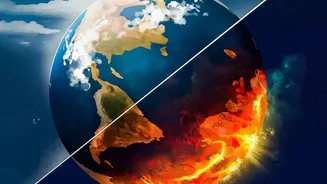
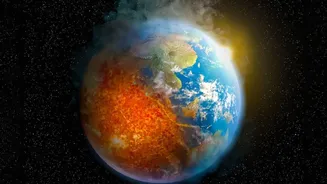
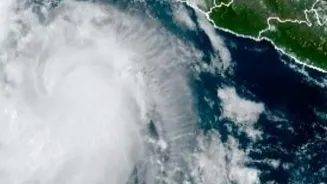
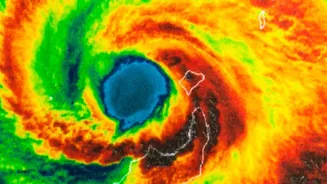
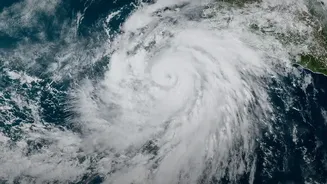
El Niño, which means 'the little boy' in Spanish, is a recurring climate pattern characterized by the unusual warming of surface waters in the eastern tropical Pacific Ocean. It happens every two to seven years, disrupting global weather. This year's
event is forecast to be exceptionally strong, potentially rivalling the most powerful ones on record. The World Meteorological Organization (WMO) has noted that the 2026-27 El Niño is developing with significant strength, raising global temperatures and increasing the likelihood of extreme weather events into 2027. In response to the potential health impacts, the World Health Organization (WHO) has activated its highest internal emergency response level, a Grade 3, for the first time for an El Niño event.
Increased Mosquito-Borne Diseases
One of the most significant threats for India is a surge in diseases spread by mosquitoes, such as dengue, malaria, and chikungunya. El Niño's altered rainfall and temperature patterns create ideal breeding conditions for mosquitoes. Warmer temperatures can speed up mosquito development and the replication of viruses within them. Studies have already linked past El Niño years with higher dengue incidence in states like Kerala. Health authorities have been advised to increase surveillance and prepare for potential outbreaks, as changing weather could drastically increase disease transmission.
Heatwaves and Water Scarcity
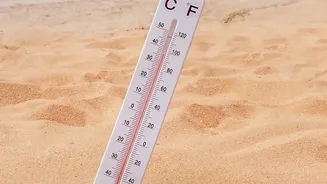
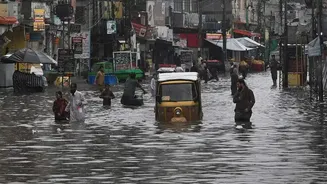
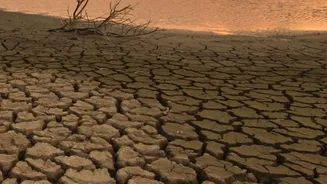
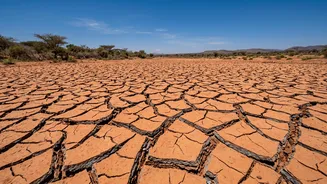
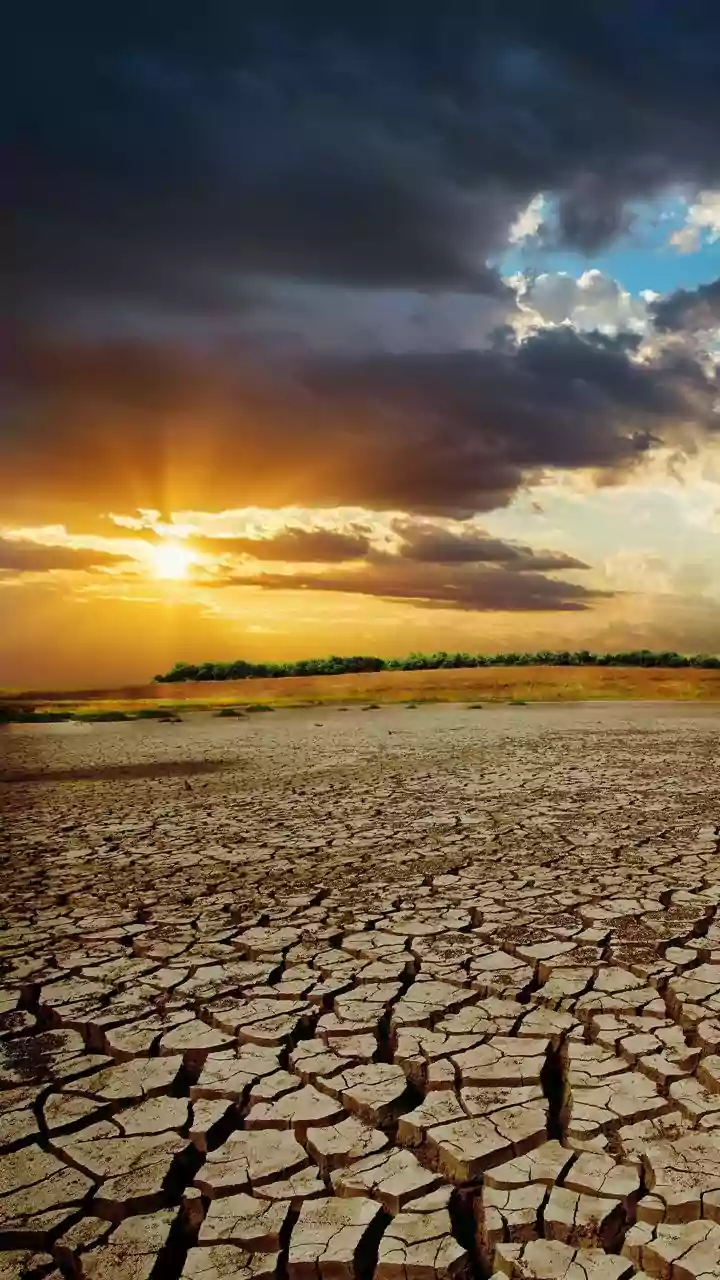
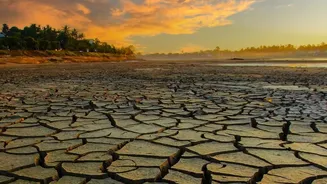
A strong El Niño is often associated with hotter and drier conditions in many parts of India. This can lead to prolonged and intense heatwaves, increasing the risk of heat exhaustion, heatstroke, and cardiovascular stress, particularly for vulnerable populations like the elderly, children, and outdoor workers. These dry conditions also threaten to weaken the monsoon, leading to drought, reduced water storage in reservoirs, and lower crop yields. Water scarcity not only impacts agriculture and food security but also public hygiene, forcing people to use unsafe water sources and increasing the risk of waterborne diseases like cholera and typhoid.
Worsening Air Quality
The hot and dry weather linked to El Niño significantly raises the risk of wildfires and dust storms. Smoke and fine particulate matter from these events can degrade air quality over vast areas, posing a serious threat to respiratory health. These pollutants can cause or worsen conditions such as asthma and other chronic respiratory illnesses. Even without fires, higher temperatures can accelerate the formation of ground-level ozone, another pollutant that is harmful to breathe.
Impacts on Food and Nutrition
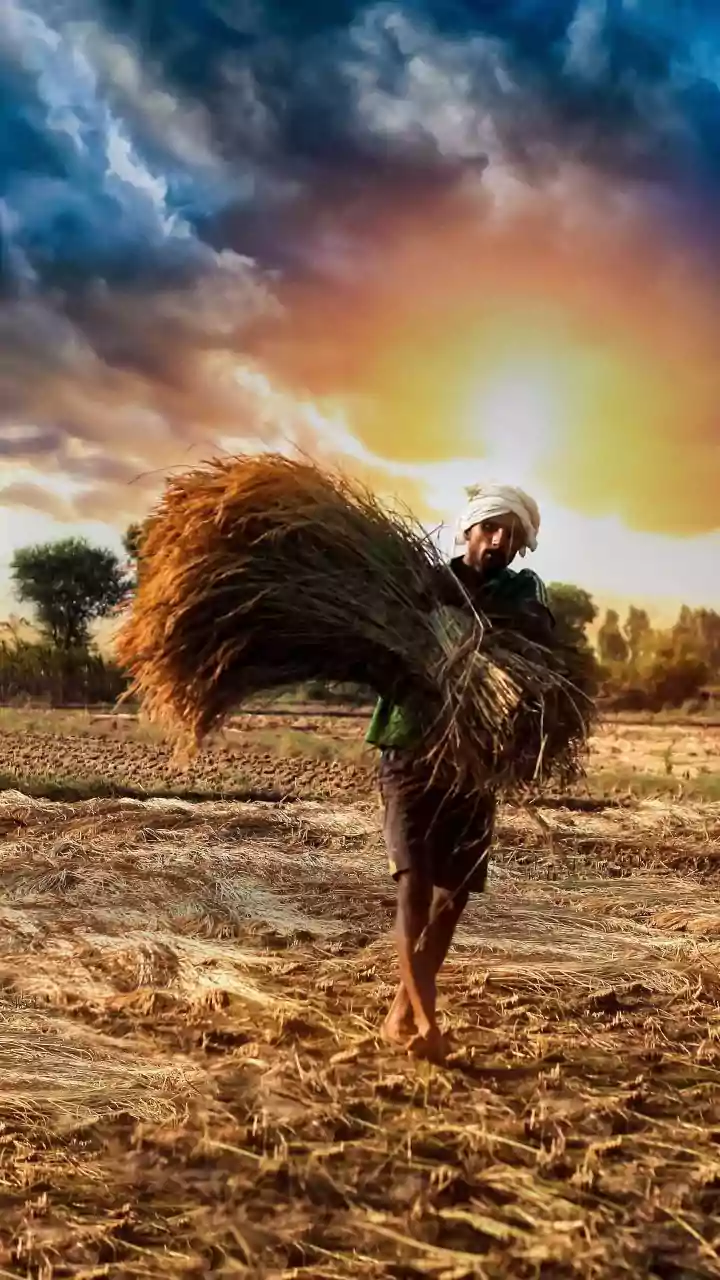
Disrupted weather patterns, particularly drought, can have a severe impact on agriculture. Reduced crop yields lead to food shortages and higher food prices, which can result in food insecurity and malnutrition. These nutritional deficiencies weaken the immune system, making people more susceptible to other infectious diseases. The WHO has identified food insecurity as one of the key global health concerns related to this El Niño event, as it places overlapping pressures on communities already facing other health challenges.