






Beyond the History Books
In cities like Bhopal, Indore, and Nagpur, heritage walks are becoming a popular weekend activity, drawing students, young professionals, and history enthusiasts alike. Led by passionate local historians, architects, and conservationists, these tours
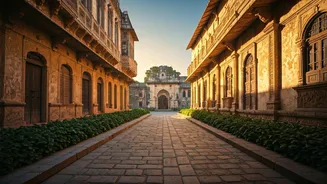
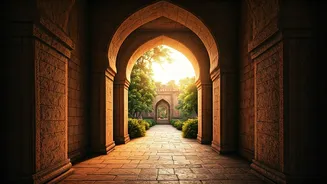
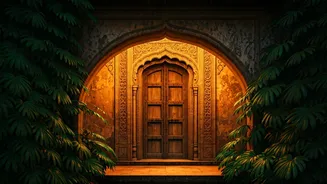
are transforming how a new generation engages with its past. Instead of just reading about the Marathas, the Holkars, the Gonds, or the Nawabs, they are standing in the very courtyards, palaces, and mosques these dynasties built. This form of experiential learning brings history to life, allowing participants to touch the stones, observe the play of light through a jaali, and understand the architectural grammar of their own cities in a way that lectures never could.
A Tapestry of Stone and Stories
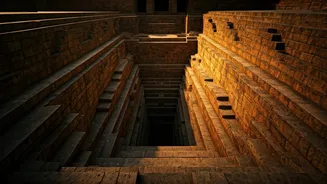
Central India’s architectural landscape is a rich, layered tapestry, and these walks are dedicated to unravelling its threads. In Bhopal, a walk might start at the grand Taj-ul-Masajid, one of Asia's largest mosques, before meandering through the narrow lanes of the old city to explore the elegant havelis and palaces built by its powerful Begums. Here, the fusion of Mughal and European styles tells a story of evolving power and cultural exchange. Just a few hours away in Indore, the focus shifts to the legacy of the Holkar dynasty. Participants explore Rajwada Palace, a striking seven-story structure blending Maratha, Mughal, and French styles, and the intricate cenotaphs at Krishnapura Chhatris. These walks highlight the unique architectural identity of each city, shaped by its specific rulers and historical context. The guides don’t just point out features; they share anecdotes, legends, and the social history embedded in the buildings, turning a simple walk into a compelling narrative.
The New Digital Archivists
What makes this trend particularly potent is the role of technology. The young participants are not passive consumers of information. Armed with smartphones, they are becoming modern-day archivists and storytellers. Instagram feeds fill up with stunning images of fading frescoes, detailed carvings, and atmospheric ruins, captioned with newfound knowledge. Vlogs and blog posts document the experience, sharing it with a wider audience and sparking curiosity in others. This digital amplification is crucial. It challenges the mainstream perception that heritage is a niche or ‘boring’ interest, reframing it as something dynamic, beautiful, and relevant. By creating and sharing this content, the youth are taking ownership of their heritage and building a digital repository of local history that is accessible to all.
More Than Just Buildings
Ultimately, these heritage walks are about more than just appreciating old buildings. They are fostering a deeper sense of place and identity. In an era of globalization, understanding the unique character of one's own city creates a powerful anchor. Organisations like the Indian National Trust for Art and Cultural Heritage (INTACH) and various local citizen-led groups have been instrumental in curating these experiences. They see these walks as a vital tool for advocacy. When people, especially the young, develop a personal connection to a heritage site, they are more likely to become its defenders. This grassroots movement is cultivating a generation of informed citizens who understand the value of preservation—not as an act of nostalgia, but as an investment in the cultural and economic future of their cities.