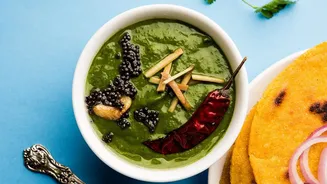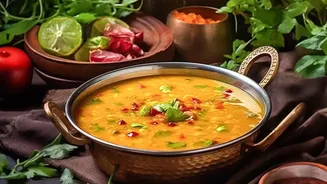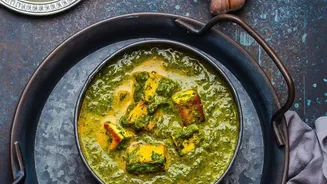




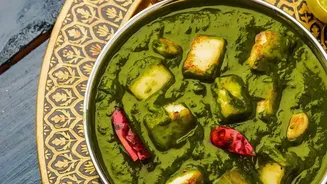
When you hear 'saag,' one iconic dish likely comes to mind. But this cornerstone of Indian cuisine is far more than a single recipe—it's a whole universe of hearty, flavourful, and deeply comforting dishes made from leafy greens.
What is Saag, Really?
The word 'saag' itself
is derived from the Sanskrit 'shaak', which simply means leafy green vegetables. In a culinary context, it refers not to one specific dish but to a method of cooking where greens are slow-cooked with spices until they break down into a thick, stew-like consistency. While restaurant menus sometimes mislabel it as 'creamed spinach', traditional saag is a much broader concept that can feature a wide variety of greens. At its heart, saag is about transforming fibrous, sometimes tough leaves into something soft, savoury, and nourishing—a technique born from the agricultural wisdom of the Indian subcontinent.
The Undisputed King: Sarson ka Saag
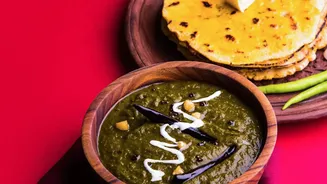
The most famous version, Sarson ka Saag, hails from the fertile plains of Punjab. Made primarily from mustard greens (sarson), it has a characteristically pungent and robust flavour. Historically, mustard was a key winter crop, and this dish was a hearty, warming meal for farmers during the cold months. To balance the slight bitterness of the mustard leaves, cooks often mix in other greens like spinach (palak) or bathua (chenopodium). The greens are slow-cooked for hours, traditionally in earthen pots, with aromatics like ginger, garlic, and green chillies. Often, maize flour (makki ka atta) is added to thicken the consistency, resulting in a creamy texture without any cream. It is almost always served with Makki di Roti (a flatbread made from maize flour) and a generous dollop of white butter or ghee, a combination that is a celebrated winter tradition.
A Garden of Greens
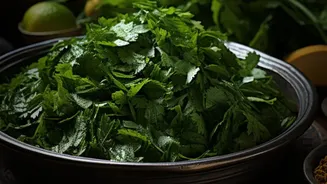
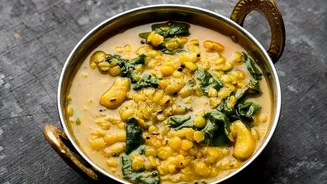
The world of saag extends far beyond mustard. The specific greens used often depend on the region and the season, leading to a huge variety of dishes. Some popular greens used to make saag include spinach (palak), fenugreek (methi), amaranth (chaulai or lal saag), water spinach (kalmi saag), and even radish greens (mooli ka saag). In some areas, more unique local greens are used, like 'bicchu ghas' (stinging nettle) in Uttarakhand or 'poi saag' (Malabar spinach) in Bengal and Odisha. This diversity is the true essence of saag; it’s a culinary template that adapts to local produce, with each green bringing its own unique flavour and texture to the final dish.
Regional Styles Across India
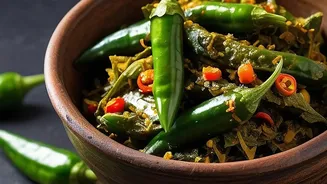
While Punjab's Sarson ka Saag is iconic, other regions have their own beloved versions. In West Bengal, 'Shak Ghonto' or lighter stir-fries called 'Shak Bhaja' are common, often tempered with the regional five-spice blend known as panch phoron. In Odisha, 'Sagaa Bhaja' is a staple, and saag is even one of the offerings at the famous Jagannath Temple in Puri. In Bihar and Uttar Pradesh, Bathua ka Saag is a winter favourite, prized for its flavour and nutritional value. Moving to the Northeast, you might find 'Lai Saag' in Assam, which has a tangy and pungent flavour, often cooked with mustard oil and fermented bamboo shoots. These variations showcase how different cultures have adapted the basic concept of a leafy green dish to their own tastes and available ingredients.
More Than Just Delicious
Beyond its comforting taste, saag is a nutritional powerhouse. Leafy greens are packed with essential vitamins like A, C, and K, as well as minerals such as iron, calcium, and folate. This makes saag excellent for boosting immunity, supporting bone health, and improving energy levels. Spinach, a common ingredient, is rich in antioxidants like lutein and zeaxanthin, which are beneficial for eye health. The high fibre content in these greens also aids in digestion. The traditional slow cooking method helps in making these nutrients more bioavailable, turning a simple meal into a wholesome health giving feast.