

A Return to Healthier Roots
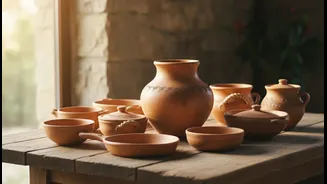
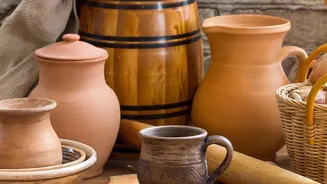
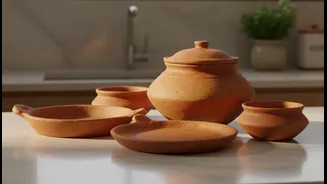
One of the biggest drivers behind the revival of clay pot cooking is a growing focus on health and wellness. Unlike many modern cookware options, unglazed clay pots are made from natural, inert material, meaning they don't leach harmful chemicals into
your food. Concerns over synthetic coatings on non-stick pans, which can degrade at high temperatures, have led many to seek safer alternatives. Clay is naturally alkaline, which helps to neutralise the pH of acidic ingredients like tomatoes and tamarind. This can make food easier to digest and may reduce issues like acidity for sensitive individuals. Furthermore, cooking in clay often requires significantly less oil. The pot's porous nature allows it to retain moisture, creating a natural steaming effect that keeps food tender without needing excess fat.
The Science of Superior Flavour
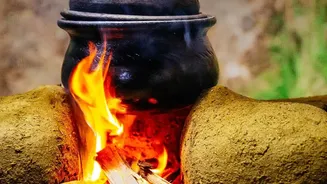
Anyone who has tasted a dal or biryani cooked in a traditional 'handi' will attest to its unique flavour. This isn't just imagination; there's a science to it. Clay is a porous material that allows for slow and even heat distribution. Unlike metal pans that can create hot spots and risk burning, a clay pot cooks food gently and uniformly. This slow-cooking process allows flavours to meld and deepen, resulting in a richer, more aromatic dish. The pot's ability to retain moisture also means that nutrients are better preserved. Vitamins and minerals that can be lost in high-heat cooking are kept locked inside, making the meal not just tastier but also more nutritious.
Connecting with Heritage and Sustainability
For many, bringing a clay pot into the kitchen is a way to reconnect with their cultural heritage. These vessels were a cornerstone of Indian cooking for thousands of years, long before stainless steel and aluminium became commonplace. Using an earthen pot can evoke memories of a grandmother's cooking and the authentic taste of traditional recipes. This movement is also tied to a broader interest in sustainability. Clay cookware is biodegradable and environmentally friendly. By choosing these handcrafted items, often made by local artisans, families are supporting traditional crafts and making an eco-conscious choice that contrasts sharply with mass-produced, non-biodegradable cookware.
Getting Started with Earthen Cookware
Making the switch to clay pot cooking requires a little know-how, but the rewards are well worth it. The first crucial step is seasoning the pot. This typically involves soaking the new pot in water, sometimes for up to a day, to temper it for cooking and prevent cracking. After soaking, it's often recommended to rub the inside with oil or cook a starchy porridge to seal the pores. When cooking, it's important to heat the pot gradually and avoid sudden temperature changes—never place a hot pot on a cold surface or pour cold water into it. Cleaning is also different; harsh soaps should be avoided on unglazed pots, as they can be absorbed into the porous clay. Instead, use hot water and a soft brush.