
The Situation on the Ground
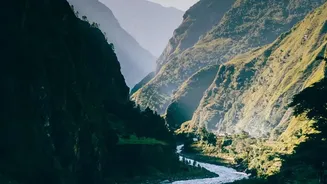
On August 26, 2026, a catastrophic flash flood, believed to be triggered by a glacier collapse on the Nepal-Tibet border, surged down the Bhote Koshi and Trishuli river systems. This was not a typical monsoon event. The wall of water and debris caused
immense destruction, primarily in the Rasuwa, Nuwakot, and Dhading districts. Extensive damage to roads, bridges, and settlements has been reported along this corridor, with search and rescue operations ongoing. However, it is crucial to understand that the disaster is concentrated in this specific region. Many of Nepal's most popular tourist destinations were not in the flood's direct path.
Which Tourist Areas Are Affected?
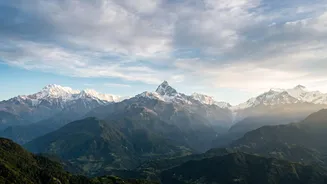
The main impact zone for tourists is the Langtang trekking region and access routes to the Tibet border. The town of Syabrubesi, the gateway to Langtang National Park, was severely affected, and the Rasuwagadhi-Kerung border crossing into Tibet is closed. The Kailash Mansarovar pilgrimage route via this crossing has been completely disrupted. Authorities have advised travellers to avoid this entire northern corridor, as conditions remain dangerous and access is restricted to support rescue efforts. Conversely, major trekking and tourist hubs like the Everest (Khumbu) and Annapurna regions are reported to be safe and operational, as they are located in different river systems. Cities like Kathmandu and Pokhara were not directly flooded and continue to operate, with hotels, heritage sites, and airports functioning.
The Biggest Challenge: Road Travel
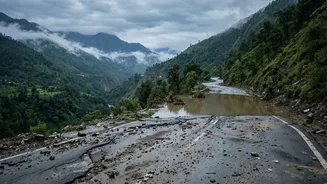
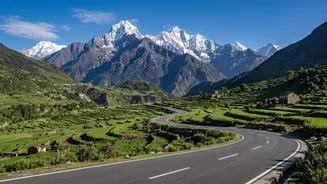
While many destinations are safe, getting to them has become a major hurdle. The floods and subsequent landslides have severely damaged key highways. As of August 30, the Prithvi Highway, a vital link between Kathmandu and Pokhara/Chitwan, has been completely closed at Krishnabhir after a section of the road collapsed. The Narayangadh-Muglin section, another critical artery, is also facing closures. These blockages affect travel to nearly all major destinations from the capital. Reports from late August noted a near-total drop in tourists travelling by road from Bihar to Kathmandu and Pokhara. For now, overland travel is highly unpredictable and not recommended. Travellers should expect significant delays and confirm the status of any route on the day of travel, as conditions can change hourly.
Cancellations and Official Advice
The disturbing visuals from the flood zones have led to widespread cancellations from international tourists, particularly from India. Travel agencies in states like Jharkhand and Bihar have reported cancellation rates of 60-70% for trips planned in September and October. The Nepal Tourism Board, while stressing that many areas are safe, has advised caution. The key message from both government bodies and tour operators is to stay informed and flexible. They strongly recommend using registered trekking agencies, having contingency plans, and closely monitoring updates from local authorities like Nepal's Department of Hydrology and Meteorology. Air travel remains the most viable option, as Kathmandu’s Tribhuvan International Airport is open, though passengers should confirm flights due to potential knock-on effects of the crisis.
So, Should You Cancel Your Trip?
The decision depends entirely on your itinerary. If your plans involve trekking in the Langtang region or any travel through the Rasuwa district, you must cancel or reroute. For those heading to the Everest or Annapurna regions, the trails themselves are safe, but the primary challenge is getting there. With main highways from Kathmandu closed or unstable, reaching trailheads or starting points like Pokhara by road is currently not feasible. Flying would be the only option. Trips focused solely on sightseeing within the Kathmandu Valley are largely unaffected, but your ability to travel beyond the valley is severely limited. Many tour operators are offering to postpone trips or switch them to unaffected regions. The most prudent course of action is to contact your airline and tour operator immediately to discuss your options.