





A Fiery Gift from a Famous Comet
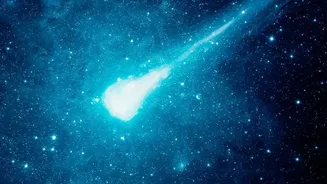
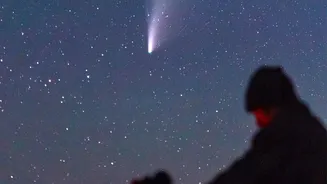
The Orionid meteor shower is an annual celestial event that occurs when our planet travels through the debris field of Comet 1P/Halley, more famously known as Halley's Comet. While the comet itself only graces our skies once every 76 years (the next visit
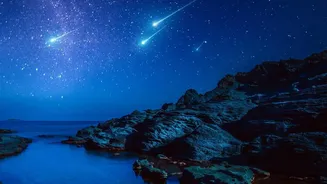
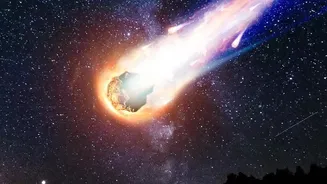
is in 2061), it has left behind a trail of cosmic dust and ice from its countless journeys around the sun. When these tiny particles, often no bigger than a grain of sand, enter Earth's atmosphere at tremendous speeds—around 66 kilometres per second—they burn up, creating the brilliant streaks of light we call meteors or 'shooting stars'. The Orionids are considered one of the most beautiful showers of the year, known for their speed and brightness. Earth passes through Halley's debris twice a year, giving us the Eta Aquariid shower in May and the Orionids in October.
Mark Your Calendar: Best Viewing Times for 2026
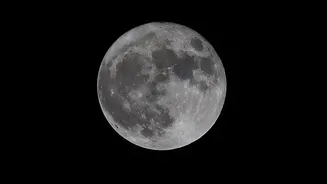
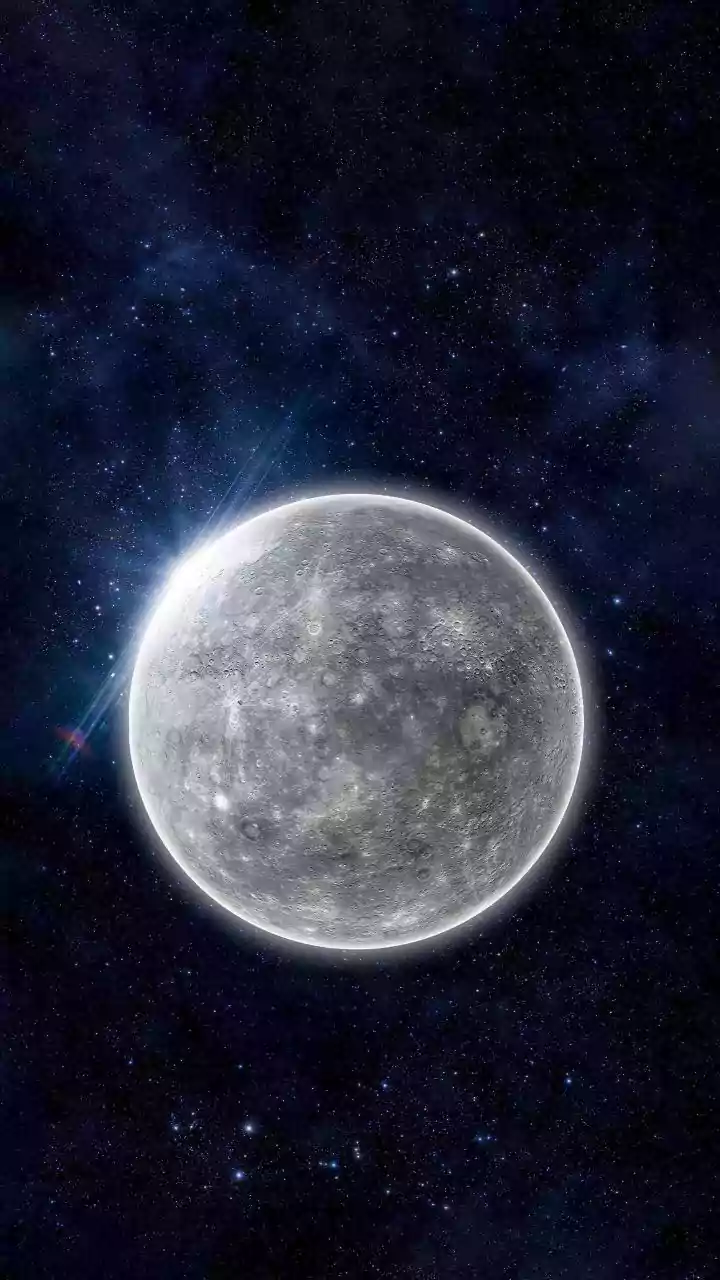
The Orionid meteor shower is active from early October to early November, but the best time to watch is during its peak. For 2026, the peak nights are expected to be October 21-22. The ideal viewing window is in the pre-dawn hours, specifically after the moon sets. This year, a bright waxing gibbous moon will be present during the peak, which can wash out the fainter meteors. However, the moon is expected to set around 3 a.m. local time, leaving a couple of hours of dark sky before dawn. This period between moonset and the first light of dawn will be your prime time for spotting the fast-moving Orionids. Under ideal dark-sky conditions, you might see between 15 and 25 meteors per hour.
Escaping the City Glow
The biggest challenge for any urban stargazer is light pollution. The glow from streetlights, buildings, and advertisements can dramatically reduce the number of visible stars and meteors. To maximise your chances, the first rule is to get as far away from the city centre as possible. Even a 30-minute drive away from the heart of the city can significantly improve your view. Look for parks, open fields, or elevated spots on the outskirts of your city. A location with a wide, unobstructed view of the sky, particularly away from the direct glare of streetlights, is essential. Rooftops of tall buildings can sometimes work, provided the direct lighting is minimal and you have a clear view of the sky. Check local regulations before accessing any public spaces late at night.
How to Watch: No Telescope Required
One of the best things about watching a meteor shower is that you don't need any special equipment. In fact, telescopes or binoculars are not recommended as they limit your field of view. Your naked eyes are the best tools for the job. Find a comfortable spot to lie flat on your back—a blanket, reclining chair, or a 'dhurrie' works perfectly. Look straight up, taking in as much of the sky as possible. The meteors are called Orionids because they appear to radiate from the constellation Orion, but they can appear anywhere in the sky. Looking slightly away from the radiant can often result in seeing longer and more spectacular streaks. Most importantly, be patient. It takes about 30 minutes for your eyes to fully adapt to the darkness, after which you'll start to notice more faint meteors.
Final Preparations for a Successful Night
Before you head out, there are a few final things to consider. First, check the weather forecast. Cloud cover can completely spoil a meteor shower viewing, so aim for a night with clear skies. Since you'll be sitting or lying still for a long time, even on a pleasant night, it's wise to bring a light jacket or an extra blanket. Packing a flask of warm tea or coffee can also make the experience more comfortable. Finally, manage your expectations. Meteor showers are not a constant downpour of light; they come in spurts. There might be lulls with no activity, followed by a sudden burst of several meteors. The key is to relax, enjoy the quiet of the night, and appreciate the cosmic show unfolding above you.