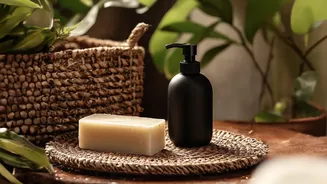







As temperatures drop, does your skin start to feel tight, itchy, and uncomfortably dry? You’re not alone. Winter is tough on skin, but the secret to staying soft and hydrated might begin with rethinking what you use to wash your face and body.
The Winter Skin Challenge
Winter creates
a perfect storm for skin dehydration. The primary culprit is the dramatic drop in humidity. Cold air simply cannot hold as much moisture as warm air. This dry environment acts like a magnet, pulling precious water away from your skin's surface in a process called transepidermal water loss. But the assault doesn't stop when you go indoors. Central heating systems, while cozy, blast dry air throughout your home and office, further stripping moisture from the air and your skin. This constant exposure weakens your skin's protective barrier, a complex shield of lipids (fats) and skin cells designed to keep moisture in and irritants out. A compromised barrier leads to that familiar feeling of tightness, flaking, and increased sensitivity.
How Harsh Soaps Compound the Problem
If winter air is the first hit, a harsh soap is the second. Many traditional bar soaps and foaming cleansers feel effective because they produce a rich lather and leave your skin feeling 'squeaky clean'. However, that sensation is often a sign that your skin has been stripped of its natural, protective oils. These cleansers often contain strong surfactants, like sodium lauryl sulfate (SLS) or sodium laureth sulfate (SLES), which are excellent at removing dirt and oil but can't distinguish between unwanted grime and the essential lipids your skin needs to stay healthy. Furthermore, these soaps are often alkaline, with a high pH that disrupts your skin's naturally acidic state. Healthy skin maintains a pH of around 5.5, but a single wash with an alkaline soap can raise it significantly, impairing the barrier and leaving it vulnerable to dryness and irritation.
The Gentle Cleansing Solution
The alternative is not to stop washing, but to switch to a gentle, hydrating cleanser. Unlike their harsh counterparts, these formulas are designed to cleanse effectively without stripping the skin. They use milder surfactants that remove impurities while leaving the crucial lipid barrier intact. Many are formulated to be closer to the skin's natural pH, which helps maintain balance and prevent the tightness that follows washing with harsh soap. Think of it as cleaning the surface without demolishing the foundation. These cleansers leave a microscopic film of beneficial ingredients, counteracting the stripping effect of water and ensuring your skin feels comfortable and hydrated, not tight and exposed.
Reading the Label: Ingredients to Embrace
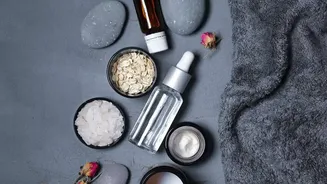
When shopping for a winter_friendly cleanser, the ingredient list is your best friend. Instead of high concentrations of sulfates, look for hydrating heroes that support your skin barrier. Ceramides are a star player; these are lipids that are naturally part of your skin barrier, and using them in a cleanser helps replenish what might be lost. Hyaluronic acid is another powerhouse, acting as a humectant that draws moisture from the air and holds it in your skin. Glycerin works in a similar way, attracting water to keep the skin hydrated. Other beneficial ingredients to look for include niacinamide, shea butter, and oat extracts, all of which help soothe, hydrate, and support the skin's protective functions.
Beyond the Wash: Locking in Moisture
Switching your cleanser is the most critical first step, but a few other habits can amplify your results. Always apply moisturizer within a few minutes of washing your face or getting out of the shower. Applying creams to slightly damp skin helps to lock in hydration more effectively. During winter, you may want to switch to a richer, thicker cream than you use in the summer. Additionally, try to avoid excessively long, hot showers, as hot water can also strip the skin of its natural oils. Finally, consider placing a humidifier in your bedroom or office. Adding moisture back into your immediate environment gives your skin a fighting chance against the dry winter air.