




The idea of starting an exercise routine can feel daunting, especially if you're new to fitness or dealing with stiff, painful joints. But movement is often the best medicine. The key is to choose activities that support your body, not strain it.
Go for a Swim or Try Water Aerobics
Exercising
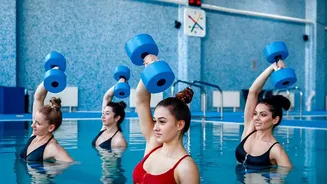
in water is one of the most joint-friendly activities you can choose. The natural buoyancy of water supports up to 90% of your body weight, which dramatically reduces the pressure on your hips, knees, and spine. This unique environment allows for a greater range of motion that might be painful on land. Swimming and water aerobics build full-body strength, improve cardiovascular health, and can help reduce inflammation and stiffness. The water's gentle resistance helps strengthen muscles without the sudden strain of weights. For beginners, simply walking laps in the shallow end is a fantastic way to start before progressing to swimming strokes or a structured class.
Start a Consistent Walking Routine
Walking is a simple, accessible, and highly effective low-impact exercise. Far from wearing joints out, regular walking helps lubricate them, improves circulation to cartilage, and can reduce pain and stiffness over time. It strengthens the key muscles that support your hips and knees—like the glutes, hamstrings, and quadriceps—which act as shock absorbers for the joints. To begin, focus on consistency rather than intensity. Start with short, 10-minute walks on flat, even surfaces like a park path or a track. As you get more comfortable, you can gradually increase your duration or pace. Investing in a pair of supportive shoes is crucial to ensure proper alignment and cushioning.
Try Cycling on a Stationary or Outdoor Bike
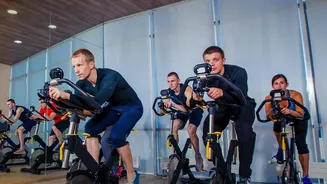
Cycling is another excellent low-impact option that builds lower body strength without pounding the joints. The smooth, circular motion helps improve joint flexibility and range of motion in the knees and hips. Whether you choose a stationary bike at home or a leisurely ride outdoors, cycling is a great way to boost cardiovascular fitness. Proper setup is key to preventing strain: adjust the seat height so your knee has a slight bend at the bottom of the pedal stroke. If you're new to it, start with low resistance and shorter rides, gradually building up as you feel stronger.
Explore Tai Chi for Balance and Flow
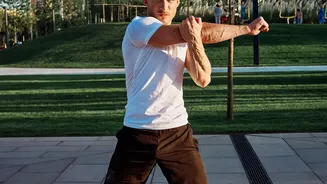
Often described as 'meditation in motion', Tai Chi is an ancient practice involving slow, gentle, and flowing movements. This makes it exceptionally well-suited for individuals with arthritis or balance concerns. Studies have shown that practising Tai Chi can significantly reduce joint pain and stiffness, improve flexibility, and increase lower body strength. It also enhances balance and body awareness, which can help reduce the risk of falls. Many community centres offer beginner classes, some even specifically designed for people with arthritis, ensuring the movements are safe and adaptable.
Incorporate Gentle Strength Training
Building muscle is vital for supporting and protecting your joints, and it doesn't require heavy lifting or high-impact movements. Low-impact strength training focuses on slow, controlled exercises that build strength safely. You can start with just your body weight. Exercises like glute bridges, wall sits, resistance band rows, and modified pushups (against a wall or on your knees) are fantastic for beginners. These movements strengthen the core, back, and legs, creating a stable support system for your entire body. The goal is to focus on proper form, completing 8 to 15 repetitions with control before resting.