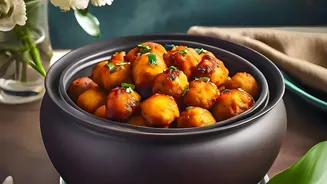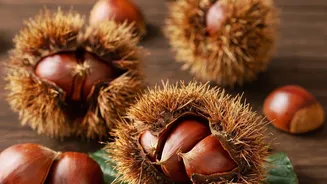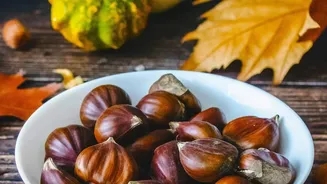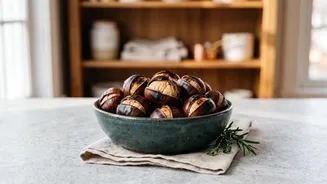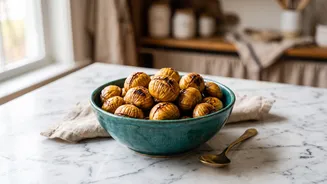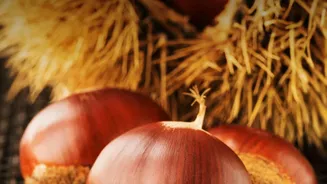

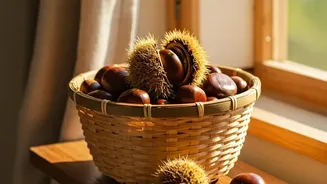
The warm, nutty aroma of roasted chestnuts is a hallmark of winter. While delicious on their own, their slightly sweet, starchy texture is incredibly versatile, ready to elevate both savoury and sweet dishes far beyond a simple snack.
A Creamy, Velvety Soup
One of the most comforting
ways to enjoy chestnuts is blended into a rich, velvety soup. For a classic approach, blend roasted and peeled chestnuts with sautéed onions, garlic, and a good quality vegetable or chicken broth. To achieve a silky-smooth consistency, add a splash of cream or coconut milk. Seasoning with herbs like thyme and a bay leaf adds a wonderful depth of flavour. This elegant soup serves beautifully as a starter for a dinner party or as a light main course accompanied by crusty bread for dipping. For an earthier note, consider pairing them with mushrooms or Jerusalem artichokes in the soup base.
A Hearty and Rustic Stuffing
Move beyond basic bread stuffing by incorporating the wonderful texture of chestnuts. Roughly chopped roasted chestnuts add a delightful, slightly sweet bite that pairs perfectly with traditional holiday flavours. Combine them with breadcrumbs or sourdough cubes, sautéed celery and onions, and classic herbs like sage and rosemary. This stuffing is a natural partner for roasted poultry, but it can also be used as a filling for roasted vegetables like squash or bell peppers for a satisfying vegetarian main course.
An Earthy Twist on Salads
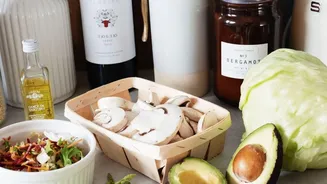
Warm salads get an instant upgrade with the addition of chestnuts. Their soft, starchy texture provides a pleasing contrast to crisp greens and crunchy toppings. For a robust winter salad, try combining crumbled roasted chestnuts with beetroot, apple slices, and a sharp cheese like blue cheese or parmesan. Toss everything with a simple vinaigrette. The combination of sweet, salty, and earthy notes creates a surprisingly complex and satisfying dish that works well for a quick lunch or a sophisticated side.
A Rustic Addition to Pasta and Grains
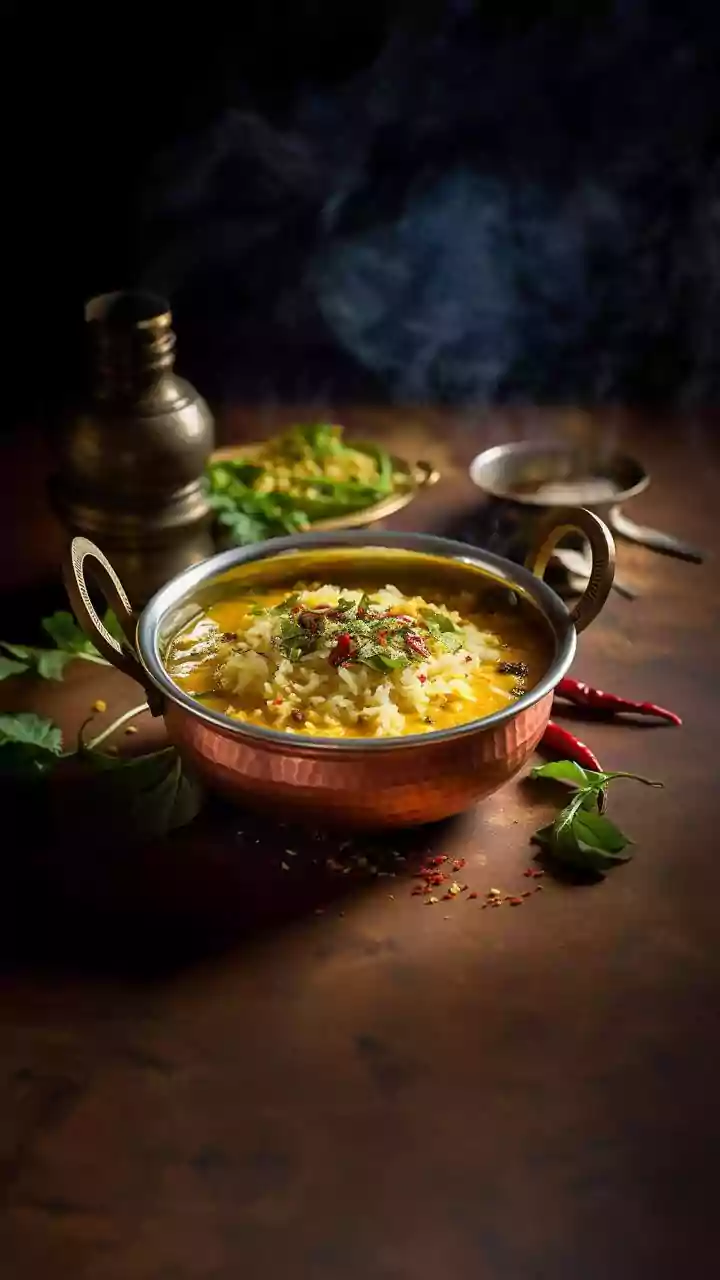
Chopped chestnuts can be stirred into pasta dishes and grain bowls to add substance and a nutty sweetness. They are particularly wonderful in creamy risotto; just fold them in towards the end of cooking along with parmesan cheese. For a simpler preparation, toss them with pasta, browned butter, and sage for a classic Italian-inspired dish. They also work beautifully in rice pilafs or other grain bowls, pairing well with mushrooms, roasted vegetables, and fresh herbs to create a hearty and seasonal meal.
A Rich and Savoury Purée
While sweet chestnut purée is a famous dessert ingredient, a savoury version can serve as a sophisticated side dish. Simply blend roasted chestnuts with a bit of butter, cream, or olive oil until smooth, seasoning with salt, pepper, and a hint of nutmeg. This rich purée is a fantastic alternative to mashed potatoes and pairs exceptionally well with roasted meats like venison, duck, or chicken. Its subtle sweetness complements the robust flavours of game and poultry perfectly.
A Sweet Surprise in Desserts
Chestnuts have a natural affinity for sweet flavours, making them a star in winter desserts. A sweet purée can be made by blending roasted chestnuts with a sugar syrup, which can then be used as a filling for tarts, pastries, or the classic Mont Blanc dessert. Chopped chestnuts can also be folded into cake batters, cookie dough, or chocolate brownies to add texture and a unique nutty taste. From elegant cakes to simple chocolate truffles, chestnuts provide a wonderfully festive and comforting finish to any meal.