






The Great Household Reset
The preparations begin not with a shopping list, but with a deep clean. Weeks before the festival, families undertake a thorough cleansing of their homes. This is more than just regular tidying; it is a symbolic purification to create a worthy space for a divine
guest. Every corner is scrubbed, old items are discarded, and a sense of fresh energy is invited in. For many, this annual reset is a cherished tradition, a way to declutter both the physical home and the mind before the ten days of devotion and celebration. The area designated for the idol, often in the northeast corner of the home, receives special attention, being sanctified and readied to become a temporary temple.
Choosing and Welcoming the Lord
The centrepiece of the festival is, of course, the Ganesha idol, or 'murti'. The process of selecting an idol is a deeply personal one for families. Many have long-standing relationships with specific artisans, or 'murtikars'. In recent years, there has been a significant and welcome shift towards eco-friendly idols. Mumbaikars are increasingly opting for murtis made of natural 'shadu' clay, red soil, or even paper pulp instead of Plaster of Paris. These idols dissolve easily in water, minimizing environmental impact during immersion, or 'visarjan'. Families decide on the size of the idol based on the space available and the duration of their celebration, which can range from one-and-a-half days to the full ten.
The Art of the Divine Throne
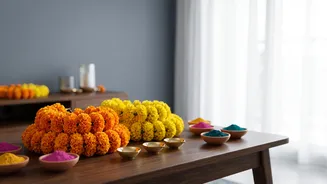
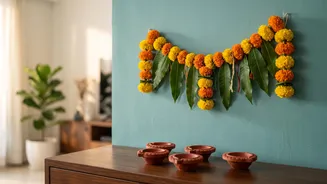
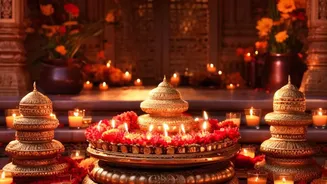
Once the idol is chosen, attention turns to its throne—the 'makhar'. This decorative backdrop is a key element of the home setup. While readymade makhars made of thermocol are available, many families take pride in creating their own. DIY decorations have become a popular way to add a personal touch. These can range from elaborate structures built with wood and fabric to simpler, yet beautiful, arrangements using paper flowers, drapes, and string lights. The goal is to create a beautiful and fitting abode for the Lord. Lighting is crucial, with traditional brass lamps ('samai') and earthen 'diyas' preferred over harsh overhead lighting to create a warm, divine glow.
Planning a Feast for the Senses
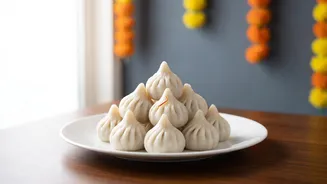
Food is central to any Indian festival, and Ganesh Chaturthi is no exception. Kitchens become hubs of activity as families plan the menu for the 'naivedyam', or the food offerings to the deity. The undisputed star of the festive menu is the 'modak', a sweet dumpling with a filling of coconut and jaggery, believed to be Lord Ganesha's favourite. Both the steamed version ('ukadiche modak') and the fried version are prepared with love. Other traditional Maharashtrian delicacies like 'puran poli' (sweet flatbread), 'shrikhand' (sweet strained yogurt), 'karanji', and various types of 'ladoos' also feature prominently in the daily offerings and family meals.
Gathering the Sacred Essentials
Beyond the idol and decorations, a host of other items are needed for the daily 'puja' (prayers). The shopping list includes fresh flowers, especially red hibiscus, and garlands. A crucial element is 'durva', a type of sacred grass that is offered in bunches of 21. Other essentials include camphor, incense sticks, sandalwood paste, 'kumkum', and items for the 'aarti' thali. Families also shop for new clothes to wear during the festival, adding to the sense of occasion and renewal. This meticulous gathering of sacred items is the final step in preparing the home for ten days of prayer, feasting, and community.