




The Daily Grind and the Dinner Dilemma
For millions of Indians in urban centres, the daily routine is a high-wire act of balancing long commutes, demanding work hours, and family responsibilities. By the time dinner decisions are made, exhaustion has often set in. In this context, the 'healthy
choice' — involving sourcing fresh ingredients, cooking from scratch, and planning meals — becomes a luxury of time and energy that many simply do not have. The rise in consumption of processed foods and reliance on food delivery apps isn't a sign of moral failing; it's a logical response to a high-pressure environment.. Public health messaging that solely focuses on individual responsibility for making 'better choices' ignores this reality entirely. It creates a culture of guilt and shame while failing to address the root causes of poor nutrition.
Our Food Environment Is Failing Us
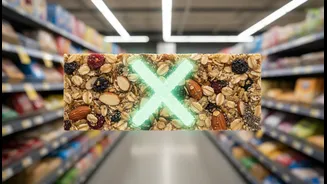
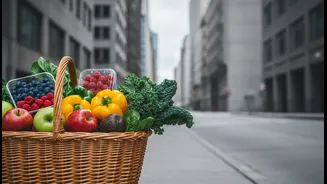
Step outside in any major Indian city, and you are immediately confronted by what experts call an unhealthy food environment. This is a landscape where highly processed, calorie-dense, and nutrient-poor foods are cheap, abundant, and aggressively marketed.. In contrast, accessing fresh, affordable, and safe produce can be a significant challenge. This disparity creates a nutritional divide where the easiest and most convenient option is often the unhealthiest.. The urban poor are particularly vulnerable, often living in areas with limited access to fresh food markets but a surplus of vendors selling cheap, packaged snacks.. The system is designed to make us fail, yet the individual is blamed for the outcome.
Beyond Willpower: The Economic Reality
The choice between an apple and a packet of biscuits is rarely just about nutrition; it's about economics. The cost of living in Indian cities continues to rise, putting a squeeze on household budgets. For many, processed foods offer more calories per rupee, making them a rational economic choice, especially for low-income families.. Furthermore, the food industry has become incredibly adept at making these products desirable, convenient, and aspirational.. Globalization has changed tastes, with Western-style fast foods and processed snacks becoming status symbols, heavily promoted through advertising.. When affordability, convenience, and status all point towards unhealthy options, willpower alone stands little chance.
Shifting the Focus: Policy, Not Personality
Instead of blaming the consumer, we must hold the architects of the system accountable. This requires a fundamental shift in policy and industry practices. For instance, why isn't there stricter regulation on the marketing of junk food to children? Why are food labels often confusing, making it difficult for consumers to make informed choices? And why isn't urban planning designed to ensure all neighbourhoods have access to fresh food markets?. The government and food industry have a critical role to play. Policies that support urban agriculture, improve food distribution systems, and enforce clear nutritional standards can create an environment where the healthy choice becomes the easy choice.. Initiatives like Pune's 'Urban Food Pilot Project' show a way forward, focusing on improving the entire food system from farm to table.