



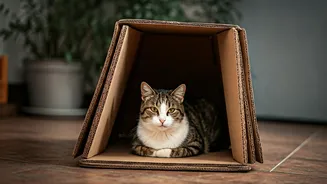


The New Feline Economy
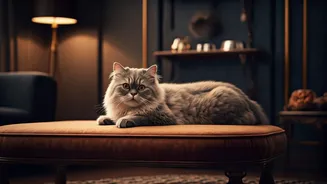
For decades, the Indian pet economy was overwhelmingly dog-centric. But in the high-rise apartments and fast-paced lifestyles of Mumbai, the cat is emerging as the perfect urban companion. They are relatively low-maintenance, suited for smaller living
spaces, and offer affection on their own terms, which appeals to a generation of busy professionals and nuclear families. This isn't just about adopting a pet; it's a fundamental change in how city dwellers seek companionship. This social evolution has laid the groundwork for a new commercial ecosystem, transforming the simple 'billi' into a pampered consumer with specific, premium needs.
What the Market Reports Revealed
The headline's 'report' isn't a single document but a chorus of findings from market intelligence firms. Recent analyses of India's pet care market, projected to surpass ₹10,000 crore in the coming years, have highlighted a critical gap and opportunity: the cat segment. While dogs command the lion's share of the market, the growth rate in cat ownership and associated spending is accelerating. These reports noted that cat owners, though fewer in number, are often highly engaged and willing to spend premium amounts on nutrition, health, and wellness. For investors, this data pointed to an underserved market ripe for disruption and brand creation.
The Investor's Purr-spective
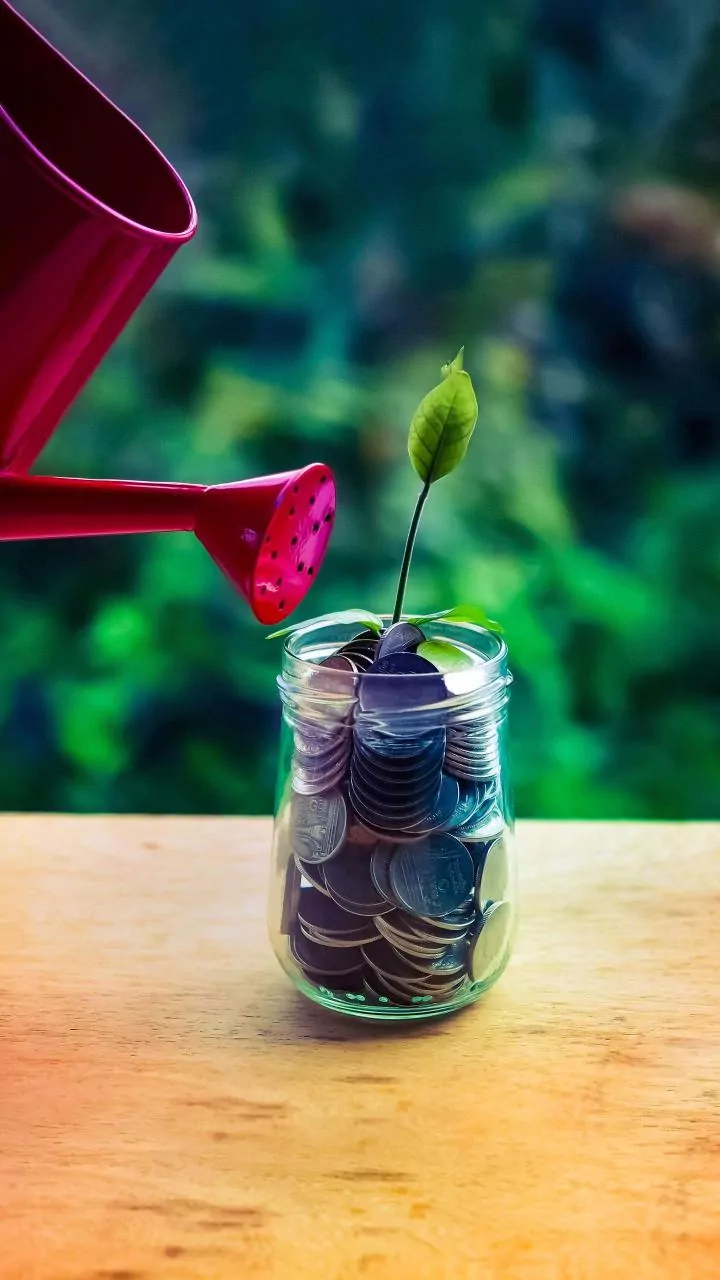
Venture capitalists are not known for sentimental decisions. Their recent interest in Mumbai's cat care scene is a calculated bet on a powerful trend: the 'humanization' of pets. When an owner sees their cat as a family member, their purchasing decisions change. They are no longer buying just 'cat food'; they are buying 'grain-free salmon pâté.' This shift creates opportunities for high-margin, direct-to-consumer (D2C) brands. Investors are drawn to the potential for recurring revenue models (think subscription boxes for gourmet food and litter), brand loyalty, and the ability to build a whole universe of products around a single, passionate consumer base. It's a less crowded space than dog care, offering a better chance for new brands to establish dominance.
Mumbai's Cat-Focused Innovators
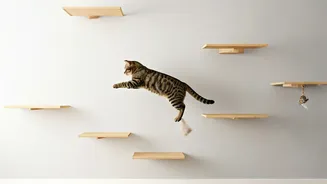
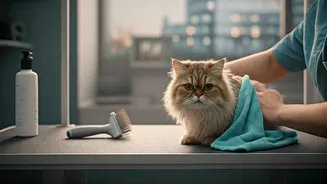
The investment is flowing into startups that understand this new-age cat parent. We're seeing the rise of companies focusing on species-specific nutrition, offering vet-formulated meals tailored to a cat’s life stage. Beyond food, there are startups developing smart toys to keep indoor cats stimulated, designer furniture that blends into modern home aesthetics, and tech-enabled services like app-based wellness tracking. Another burgeoning area is luxury 'catteries'—boutique boarding facilities that look more like spas than kennels, offering climate-controlled suites and personalised attention for when owners travel. These ventures recognize that the modern cat owner in Mumbai is looking for solutions that promise health, convenience, and peace of mind.
More Than Just a Passing Fad
Sceptics might wonder if this is just a bubble, but the underlying drivers suggest otherwise. Urbanisation is a one-way street, and the demand for pets that fit a compact, indoor lifestyle will only grow. Furthermore, the pandemic accelerated the trend of seeking companionship from pets, solidifying their place in the emotional core of the home. The investment flowing into cat startups is a bet that this emotional bond can be translated into lasting commercial relationships. It signals a maturation of the Indian consumer market, where niche passions are now becoming viable, scalable business opportunities.