

The Right Outer Layer: Jacket vs. Poncho
Your first line of defense is a reliable outer shell. The choice is between a rain jacket and a poncho. For beginners on shorter treks, a poncho is an affordable option that covers you and your backpack, offering great ventilation. However, on windy or narrow
trails, they can be cumbersome. A dedicated waterproof jacket and pants offer a better fit and more mobility for serious trekkers. Look for jackets with sealed seams to prevent leaks and high breathability ratings (often measured in MVP) to avoid getting wet from your own sweat in the humid conditions. A good hood that doesn't block your vision is also crucial.
More Than a Cover: Waterproofing Your Backpack
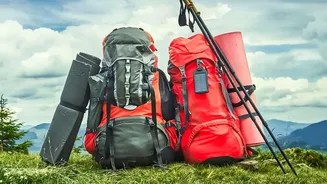
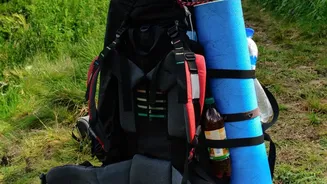
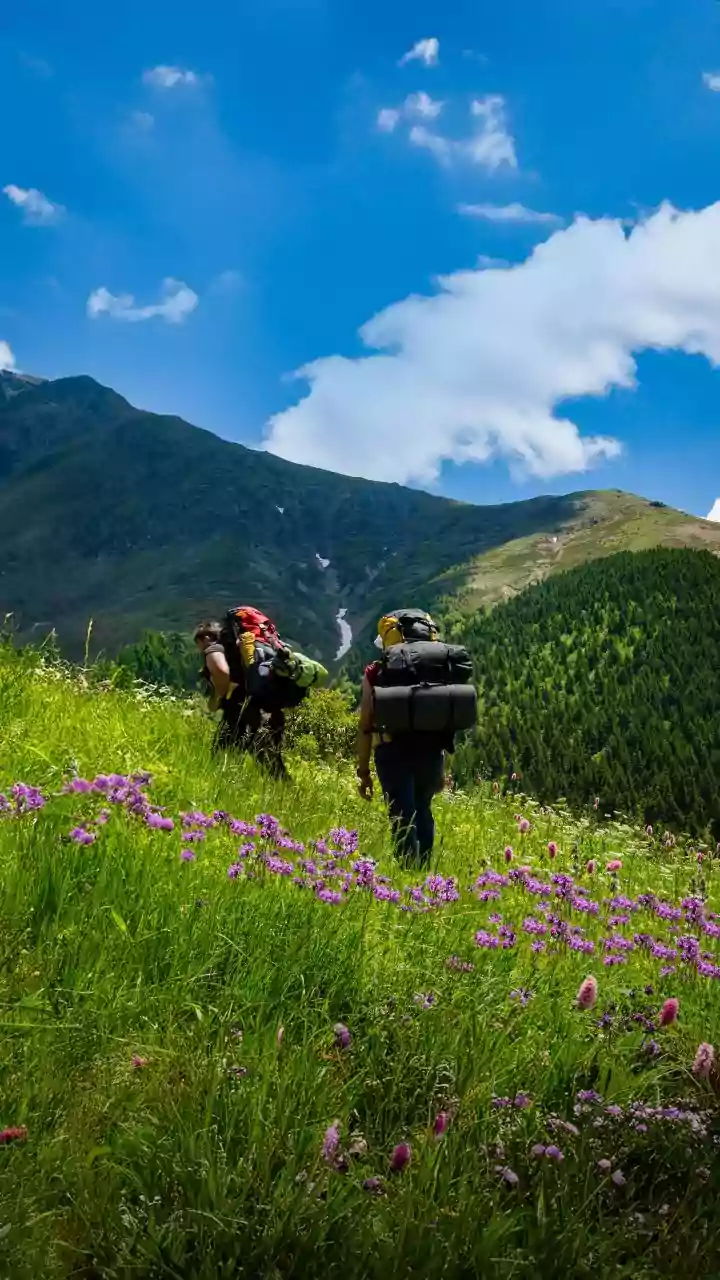
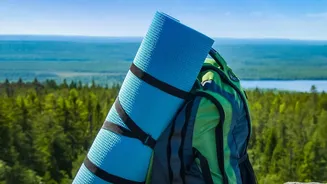
Most backpacks are water-resistant, not waterproof. In the persistent rain of the Ghats, that’s not enough. A backpack rain cover is non-negotiable to protect your main pack. For an extra layer of security, use dry bags or pack liners inside your backpack. These are essential for keeping your most important items—like electronics, a first-aid kit, and a spare set of dry clothes—completely protected from moisture, even if your main bag gets damp.
Footwear: Grip and Quick-Dry Are Key
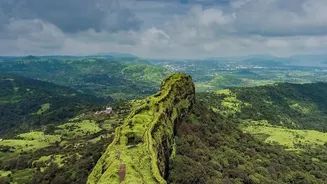
Monsoon trails in the Western Ghats are notoriously slippery, with wet rocks, loose mud, and moss. Your footwear is critical for safety. While waterproof boots sound ideal, many experienced trekkers in this region prefer shoes that drain water and dry quickly. Shoes with a soft rubber sole and medium-sized grooves, or lugs, provide excellent grip on wet, rocky surfaces. High-ankle shoes can offer some protection against sprains and snake bites. Whatever you choose, ensure they are well broken-in to avoid blisters.
The Base Layer Rule: No Cotton
This is the cardinal rule of monsoon trekking: avoid cotton at all costs. Cotton absorbs a huge amount of water and takes a very long time to dry, leaving you feeling cold, heavy, and uncomfortable. Instead, opt for clothing made from synthetic, quick-drying fabrics like polyester or nylon. These materials wick moisture away from your skin and will dry much faster during any break in the rain, keeping your body temperature more stable. Lightweight, full-length trousers are preferable to shorts for protection against insects and scratches.
Leech Protection: An Overlooked Essential
Leeches are a simple fact of life on monsoon treks in the Ghats. While mostly harmless, they are an annoyance. The best protection is prevention. Wearing anti-leech socks, which are knee-length and made of thick, water-repellent fabric, creates a very effective barrier. Tucking your quick-dry pants into these socks adds another layer of defense. Some trekkers also apply repellents like diluted antiseptic liquid or lemon juice to their shoes and socks. Wearing light-coloured clothing can also help you spot any crawling leeches before they latch on.
Helpful Accessories for a Better Trek
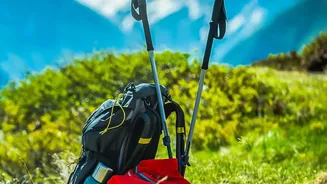
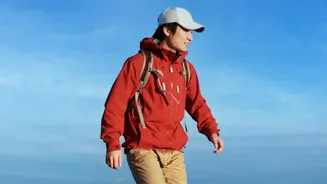
A few small items can make a big difference. Trekking poles provide extra stability and balance on slippery descents, reducing strain on your knees. A simple sun cap worn under your raincoat's hood can be surprisingly effective; its brim directs dripping water away from your face, improving your visibility. Finally, always pack a small, well-stocked first-aid kit with antiseptic, bandages, and blister plasters. It's also wise to carry a spare set of dry clothes, including socks, stored in a separate dry bag for emergencies.