





The Station is a Multi-Level Maze
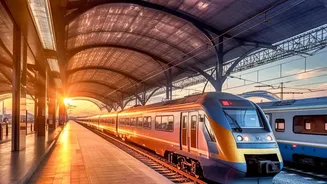
Major Indian railway stations like Howrah Junction, with its 23 platforms, are more than just long stretches of track; they are multi-level, multi-terminal complexes. You don't just walk in and find your train. You may need to navigate footbridges, underground
subways, and multiple entry and exit points that are often congested. These architectural marvels are designed to handle immense traffic, but for an individual traveller, it means the journey from the station entrance to the platform itself can be a significant, time-consuming trek. Factoring in this internal transit time is the first step most people forget.
The Platform and Coach Puzzle
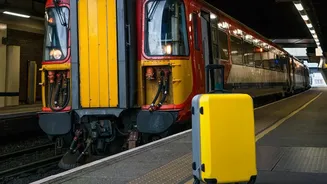
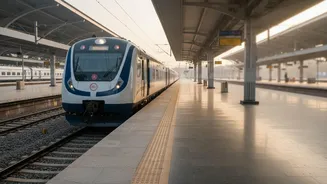
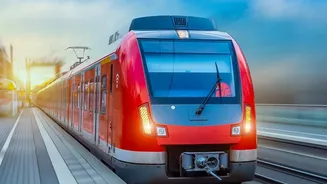
Finding your platform is only half the battle. Digital display boards are your best friend, but platform numbers can sometimes change at the last minute due to operational needs, sending passengers scrambling. Once you're on the correct platform, the next challenge is finding your coach. A typical long-distance train can have up to 24 coaches, and finding B2 or S6 in that massive steel caterpillar can feel like a frantic sprint. Major stations often have digital coach position indicators, but if they're malfunctioning or absent, you’re left guessing. Do you run towards the engine or the guard's van? This uncertainty alone can add five to ten stressful minutes.
The Human Factor: Crowds and Queues
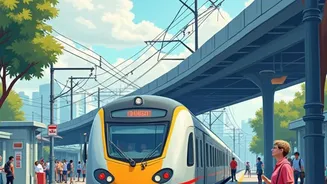
Sheer passenger volume is a massive time-sink. You'll encounter queues at the entrance, at security baggage scanners, and again when trying to board. Boarding a train in a crowded station isn't an orderly file; it's often a chaotic push, especially when passengers deboarding block the way for those trying to get in. This human traffic jam is particularly intense in unreserved or sleeper class coaches, where overcrowding can make it physically difficult to even get through the door, let alone find your seat. Even with a reserved ticket, navigating past people standing in the aisles and doorways requires patience and extra time.
Your Pre-Boarding Strategic Plan
You can beat the clock with a simple strategy. First, travel experts advise arriving at major stations 60 to 90 minutes before departure. This isn't excessive; it's realistic. Use this time wisely. Before you leave for the station, check your PNR status online to confirm your coach and seat number. Many railway apps also have a 'coach position' feature that shows the sequence of coaches, so you know roughly where to stand on the platform. Pack light if possible; navigating a crowded footbridge with heavy luggage is a guaranteed delay. Finally, listen to station announcements—they often detail the coach composition, giving you a crucial clue about whether your AC or sleeper coach is closer to the front or rear of the train.
Embrace Technology on the Go
Your smartphone is your most powerful tool. Download an official railway app like IRCTC Rail Connect or a trusted third-party app like 'Where is my Train'. These apps provide real-time updates on your train's status, including delays and platform numbers, which are far more reliable than just assuming everything will run on schedule. You can use them to check the final reservation chart, which is prepared a few hours before departure and shows your exact coach and berth. By knowing this information before you're in the midst of the station's chaos, you can walk to your spot calmly, bypassing the crowds of confused passengers staring up at the departure boards.