



Not All Processing Is the Same
The word 'processed' often brings to mind junk food, but the reality is more nuanced. Almost all food undergoes some form of processing before it reaches our plates. Slicing an apple, roasting nuts, or pasteurising milk are all forms of minimal processing designed
to make food safe, edible, or convenient. These methods are not the primary cause for concern. The issue arises from the extent and purpose of the processing. To bring clarity, researchers developed the NOVA classification system, which groups foods into four categories based on their level of industrial manipulation.
Understanding the NOVA System
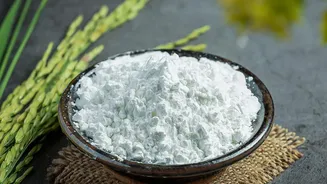
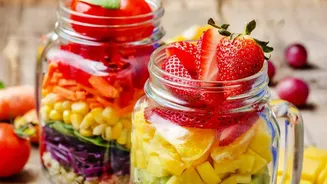
The NOVA system offers a simple framework. Group 1 is 'unprocessed or minimally processed foods' like fresh fruits, vegetables, grains, and meats. Group 2 consists of 'processed culinary ingredients' like oils, butter, sugar, and salt, which are extracted from nature and used in kitchens. Group 3 is 'processed foods'—these are products made by combining foods from the first two groups. Think of simple bread made from flour, water, salt, and yeast, or canned vegetables and fish. These foods are altered, but are still recognisable versions of their original ingredients.
The Spotlight on Ultra-Processed Foods (UPFs)
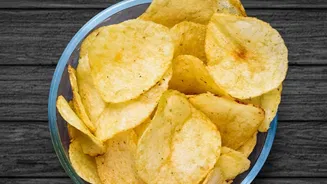
Group 4, 'ultra-processed foods' (UPFs), is where the health conversation is now centered. These are not modified foods but industrial formulations made mostly or entirely from substances extracted from foods (like fats, starches, and sugars) or synthesised in labs. They often contain ingredients you wouldn't find in a home kitchen, such as protein isolates, hydrogenated oils, high-fructose corn syrup, and cosmetic additives like colours, emulsifiers, and artificial flavours. These products, including soft drinks, packaged snacks, instant noodles, and many ready-to-eat meals, are designed for extreme convenience and hyper-palatability.
Why the Growing Concern?
A growing body of research consistently links high consumption of UPFs to a range of negative health outcomes. Major studies have shown strong associations between diets high in UPFs and an increased risk of obesity, type 2 diabetes, heart disease, depression, and even premature death. Scientists believe these health risks are not just due to high levels of sugar, salt, and fat. The industrial processing itself destroys the natural food matrix, removing fibre and micronutrients. Furthermore, the combination of additives and synthetic ingredients may disrupt gut health and promote inflammation.
How to Spot a UPF
Identifying UPFs goes beyond just avoiding obvious junk food. Many products marketed as healthy, like some breakfast cereals, flavoured yoghurts, and energy bars, can also fall into this category. The most practical way to identify a UPF is to read the ingredient list. A long list filled with chemical-sounding names or substances you don't recognise from a standard kitchen is a major red flag. If you see ingredients like maltodextrin, protein isolates, emulsifiers, or various syrups and concentrates, the product is likely ultra-processed.