



Long before 'probiotics' became a wellness buzzword, Indian kitchens mastered the art of fermentation. This ancient wisdom, transforming everyday ingredients into digestive aids, is more relevant than ever in our fast-paced modern lives.
The Science of Fermentation
At its core, fermentation
is a natural process where microorganisms like bacteria and yeast convert starches and sugars in food into lactic acid or other compounds. This process does more than just preserve food or create a tangy flavour; it fundamentally transforms it. Fermentation breaks down complex nutrients into simpler forms, making them easier for our bodies to digest and absorb. It also reduces or destroys 'antinutrients' like phytic acid, which are found in grains and legumes and can block the absorption of vital minerals like iron and zinc. The most significant benefit is the creation of probiotics—live, beneficial bacteria that support a healthy gut microbiome, which is crucial for everything from digestion and immunity to overall well-being.
Dahi: The Everyday Probiotic Powerhouse
No discussion of Indian fermented foods is complete without mentioning dahi, or curd. A staple in countless households, homemade dahi is one of the most accessible sources of probiotics. Made by fermenting milk, it contains beneficial bacteria such as Lactobacillus species that help maintain a healthy balance of gut flora. Its cooling nature can soothe acidity, and the fermentation process breaks down lactose, often making it easier for people with lactose intolerance to digest compared to milk. Including a bowl of dahi with your meals is a simple yet effective way to support digestion daily.
Idli and Dosa: A Fermented Breakfast Staple
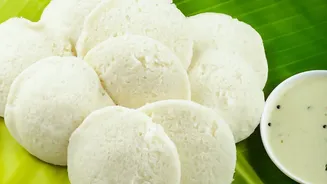
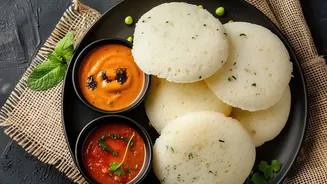
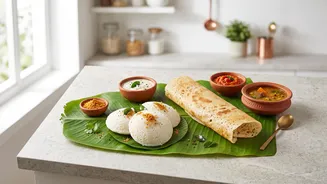
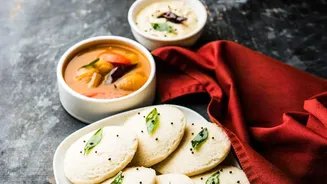
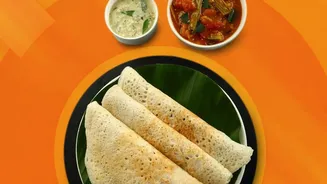
The soft, fluffy idli and the crisp, golden dosa are beloved South Indian dishes, but their health benefits lie in the fermented batter of rice and urad dal. The overnight fermentation process not only gives them their characteristic light texture and slightly sour taste but also populates the batter with beneficial lactic acid bacteria. This pre-digestion by microbes makes the nutrients in the grains and lentils more bioavailable, meaning your body can absorb them more easily. This process makes idli and dosa a gentle, energy-sustaining breakfast that is easy on the digestive system.
Beyond the Basics: Kanji and Achar
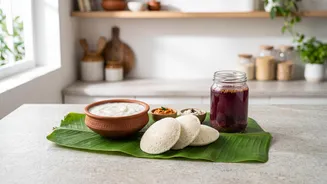
India's fermentation traditions extend far beyond dahi and dosa. Kanji, a traditional North Indian drink made from fermenting black carrots with mustard seeds, is a potent probiotic beverage. It's rich in antioxidants and beneficial bacteria that aid digestion and boost immunity, making it a seasonal favourite. Similarly, traditional homemade pickles (achar), which are fermented slowly in salt and spices under the sun, are another excellent source of probiotics. Unlike their commercial, vinegar-based counterparts, these lactofermented pickles introduce a diversity of good microbes to the gut, stimulating digestive juices and enhancing the meal.
Making It a Modern Habit
Incorporating these foods into a modern diet doesn't require a complete overhaul. The key is consistency. Aiming for at least one serving of a fermented food daily can significantly contribute to a healthy gut microbiome. This could be a bowl of dahi or a glass of chaas with lunch, starting your day with idli, or having a small portion of homemade achar with your dinner. It’s important to opt for traditionally prepared, live culture foods, as heat treated or highly processed versions often lack the beneficial bacteria that provide these digestive benefits. By embracing these traditions, you are choosing an affordable, delicious, and time tested path to digestive balance.