



The First 15 Minutes Are Crucial
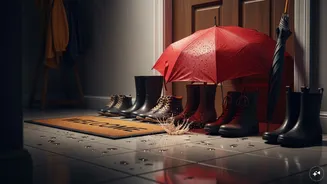
The moment you walk through the door with soaking wet shoes, the clock starts ticking. Don't just kick them off in a corner; that's a recipe for permanent damage and a potent, musty smell. Acting quickly can mean the difference between saving your shoes and having
to throw them away. First, take them off and remove the laces and any insoles. This simple step is vital because it opens the shoe up completely, allowing air to circulate into every nook and cranny. If they are caked in mud, give them a quick wipe with a damp cloth to get the worst of it off before you begin the drying process. The goal is to set the stage for effective drying, preventing the materials from contorting as they dry and stopping moisture from being trapped deep inside.
Why Water Is the Ultimate Enemy
A thorough soaking does more than just make your feet uncomfortable. For many materials, especially leather, water is a destructive force. It strips the material of its natural oils. As the leather dries, these oils are not replenished, causing the material to become brittle, stiff, and prone to cracking. The structure of the shoe is also at risk. Glues that hold the sole and upper together can be weakened, and the shoe itself can warp and shrink out of shape. Beyond the physical damage, a damp, dark shoe is the perfect breeding ground for bacteria and fungi. This microbial growth is what leads to persistent, unpleasant odours and can even contribute to foot health issues like athlete's foot. The warm, humid microclimate inside a wet shoe allows these organisms to proliferate rapidly.
The Right Way to Dry Your Shoes
The single most important rule of drying shoes is to avoid direct heat. Never place them near a heater, in direct sunlight, or use a hairdryer. Intense heat will bake the leather, making it crack, and can melt adhesives, causing your shoes to fall apart. Instead, the best method is slow and steady. Stuff your shoes tightly with an absorbent material like newspaper or paper towels. This not only draws moisture out from the inside but also helps the shoe maintain its shape as it dries. Place the stuffed shoes in a dry, well-ventilated area, perhaps near a fan to improve air circulation. If your shoes were completely soaked, you may need to replace the damp newspaper with a fresh, dry batch every few hours to speed up the process. This gentle method can take a day or two, but it's the safest way to ensure your shoes survive.
Material-Specific Advice
Different shoe materials require slightly different approaches. For smooth leather shoes, once they are completely dry, it's essential to apply a quality leather conditioner. This replenishes the oils that were stripped away by the water, restoring the leather's suppleness and preventing cracks. For suede or nubuck, which are particularly sensitive to water, you must wait until they are fully dry before addressing any stains or texture changes. A specialised suede brush can help restore the material's natural nap. Canvas and synthetic shoes are generally more resilient but should still be dried thoroughly to prevent mildew and odours. Because they are often less structured, ensuring they are well-stuffed to keep their shape is particularly important.
Winning the War on Odour
If, despite your best efforts, your shoes develop a funky smell, don't despair. The odour is caused by lingering bacteria, so the key is to create a dry, inhospitable environment. Once the shoes are bone dry, you can tackle the smell. A simple and effective home remedy is to sprinkle a generous amount of baking soda inside each shoe and let it sit overnight. The baking soda will absorb any remaining moisture and neutralise the odours. Simply shake out the excess powder in the morning. For a more proactive approach, consider using cedar shoe trees. Cedar wood naturally absorbs moisture and has antimicrobial properties, making it excellent for both drying and deodorising shoes.