





The Festive Season Sticker Shock
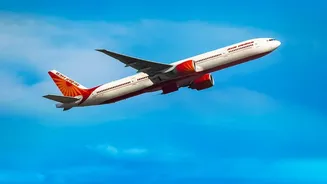
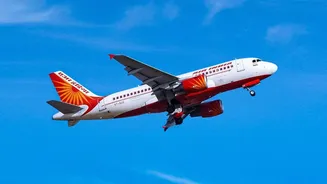
As India gears up for the festive season, including Durga Puja, Diwali, and Christmas, many travellers are facing a daunting reality: skyrocketing airfares. Fares on major domestic routes have climbed by as much as 68% compared to the previous year. For
instance, tickets for routes like Delhi-Hyderabad and Mumbai-Kolkata have seen steep increases, with some one-way fares for peak Diwali dates crossing ₹20,000. In some cases, flying to nearby international destinations like Singapore or Bangkok has become cheaper than flying to cities within India, highlighting the severity of the domestic price hikes. This has left many wondering why booking a flight home has suddenly become such a costly affair.
What's Fuelling the Fare Hike?
A combination of factors is driving this surge in prices. Firstly, there is immense pent-up demand for travel. The festive season is traditionally a peak period for travel as people head to their hometowns to celebrate with family. Secondly, airlines are grappling with higher operating costs, primarily due to a sharp increase in Aviation Turbine Fuel (ATF) prices, which can constitute up to 40% of an airline's expenses. Several airlines have passed this on to consumers by introducing or increasing fuel surcharges. Finally, airline capacity plays a crucial role. While the number of domestic flights scheduled for the festive quarter is slightly lower than last year, airlines are using larger aircraft to keep overall seat capacity stable. However, on high-demand routes, this reduced frequency of flights means fewer departure options, creating a supply-and-demand mismatch that dynamic pricing algorithms exploit, pushing last-minute fares even higher.
The Compromise: Shorter Trips and 'Micro-cations'
Faced with budgets strained by expensive flights, travellers are not cancelling plans but adapting them. One of the most significant trends emerging is the shift towards shorter trips. Instead of planning a long vacation of 7-10 days, many are now opting for shorter 'micro-cations' lasting just a few nights. Recent travel reports indicate that the average festive trip now lasts just two nights, with many bookings made spontaneously. A report from backpacker hostel chain Zostel found that nearly a quarter of travellers booked multiple short getaways during last year's festive season, a trend that is expected to continue with bookings for 2026 already running 50% ahead. This allows people to still get away for the holidays but limits the overall cost, especially on accommodation and other expenses.
Exploring Closer to Home
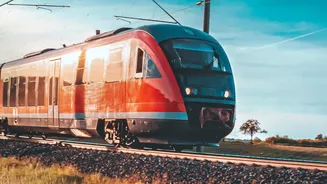
The high cost of flying is also influencing destination choices. While traditional holiday spots like Goa remain popular, there is a noticeable pivot towards destinations that are easier and cheaper to reach. Travellers are increasingly looking at locations accessible by road or rail, fuelling a rise in road trips and train travel. Indian Railways has responded to this by announcing thousands of special trains to manage the festive rush. Furthermore, destinations that were once considered offbeat are gaining traction as they offer unique experiences without the crowds and peak-season prices of major hubs. Places in the Himalayas like Sangla and Kalpa, and heritage spots like Hampi and Varkala, are seeing a surge in bookings as travellers seek more value-driven and accessible holiday options.