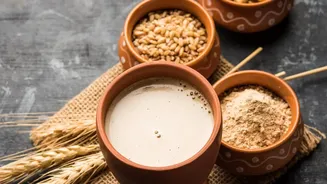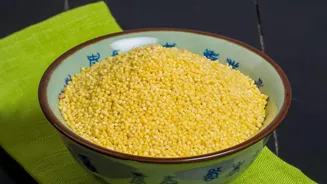



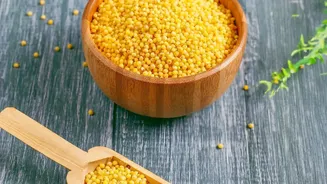
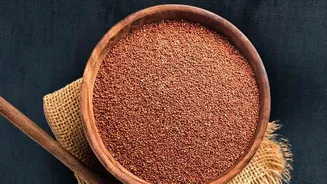
Once a staple in every Indian kitchen, millets are making a well-deserved comeback. These ancient grains are nutritional powerhouses, packed with everything needed for a modern, balanced diet. Here’s why and how to welcome them back to your plate.
India’s Nutritional Heritage, Rediscovered
For
centuries, millets were the foundation of everyday Indian meals, long before polished rice and wheat became dominant. These small-seeded grains, often called 'coarse grains', are anything but. They are a diverse family of crops perfectly suited to India's climate, requiring less water and thriving where other grains cannot. Today, as we seek healthier and more sustainable food choices, we are rediscovering the wisdom our grandparents took for granted. Millets are naturally gluten-free, nutrient-dense, and offer a simple way to add variety and powerful health benefits back into our daily food habits.
The Power of Fibre and Minerals
The primary benefit of millets lies in their impressive nutritional profile. They are exceptionally rich in dietary fibre, which is crucial for good digestion. Unlike refined grains, which are stripped of their fibrous outer layers, millets retain their bran. This high fibre content aids in regular bowel movements, feeds beneficial gut bacteria, and provides a feeling of fullness, which can help with weight management. Furthermore, millets are loaded with essential minerals that are often lacking in modern diets. They are a good source of magnesium, which supports heart and muscle function; phosphorus for energy; and iron to combat fatigue. Some varieties, like ragi, are celebrated for being among the best plant-based sources of calcium.
A Guide to Popular Indian Millets
Different millets offer unique benefits, making them versatile for various health goals. Here are three of the most common types found in India:
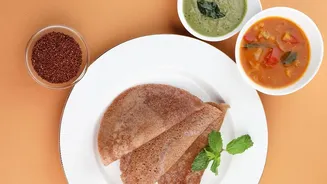
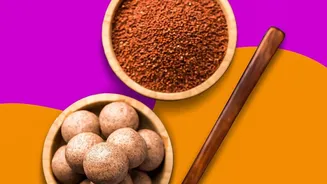
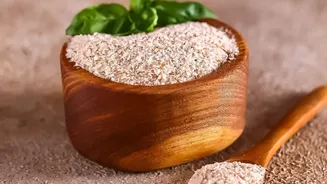
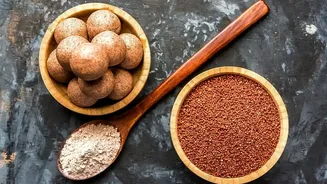
1. Ragi (Finger Millet): Known as the 'calcium champion', Ragi is fantastic for bone health. Its high iron content also helps in boosting haemoglobin levels. With a low glycemic index, it's an excellent grain for steady energy release and is gentle enough to be a traditional first food for babies.
2. Jowar (Sorghum): A staple in Maharashtra and Karnataka, Jowar is prized for being light on the stomach and rich in antioxidants. It is high in fibre, promotes satiety, and is a great gluten-free alternative for making rotis or bhakri.
3. Bajra (Pearl Millet): Traditionally consumed in the winter months, especially in Rajasthan and Gujarat, Bajra is known for its warming properties. It's a powerhouse of iron, protein, and magnesium, which helps in controlling blood pressure and improving heart health.
Easy Ways to Eat Millets Daily
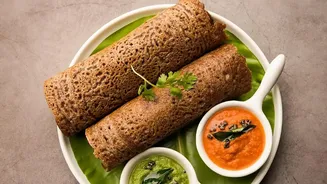
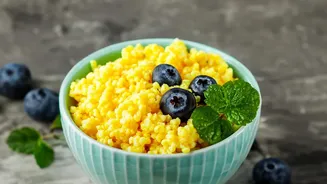
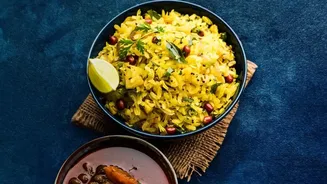
Incorporating millets into your diet doesn't require a complete overhaul of your eating habits. The key is to start small and be consistent. One of the simplest methods is to mix millet flour with your regular wheat atta for chapatis. For instance, a 50:50 blend of atta and ragi or jowar flour makes for a soft and nutritious roti. You can also swap white rice with cooked millets like foxtail or little millet in dishes like pulao, khichdi, or curd rice. For breakfast, a warm bowl of ragi porridge or a savoury upma made from barnyard millet is a fantastic, energy-boosting start to the day. Even popular South Indian dishes like idli and dosa can be made healthier by preparing the batter with millet instead of rice.
Supporting Overall Wellness
Beyond fibre and minerals, regular millet consumption is linked to broader health improvements. Due to their low glycemic index and complex carbohydrates, millets release sugar into the bloodstream slowly. This helps prevent the sudden spikes associated with refined grains, making them particularly beneficial for managing blood sugar levels. Their high fibre content also aids in reducing 'bad' LDL cholesterol. By promoting gut health, providing sustained energy, and delivering a host of vital nutrients, millets are not just a food but a holistic investment in your longterm wellbeing.