






The Call of the Mountains: Ladakh's Dry Summer
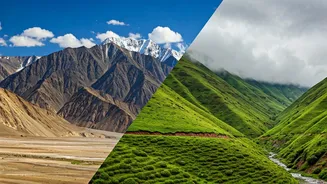
For those craving adventure and wide-open spaces, Ladakh in the summer is an unmatched experience. While the rest of India contends with humidity and downpours, Ladakh, being a rain shadow desert, offers brilliant blue skies and pleasant daytime temperatures.
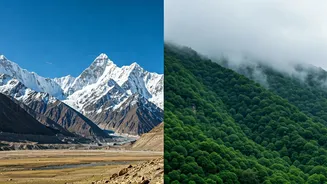
The period from June to September is the prime window for travel, with all major road arteries like the Manali-Leh and Srinagar-Leh highways fully accessible. This is the season for epic road trips, whether on a motorcycle or in a 4x4. The mood here is one of exhilarating freedom and spiritual calm. The landscape is stark and majestic, with barren mountains giving way to shockingly blue lakes like Pangong Tso and Tso Moriri. Activities are geared towards the adventurous soul: think trekking through the Markha Valley, river rafting on the Indus, or riding a double-humped Bactrian camel in the Nubra Valley's cold desert. It’s a journey that challenges you physically with its high altitude but rewards you with profound silence and a deep connection to nature.
The Song of the Rains: The Verdant Ghats
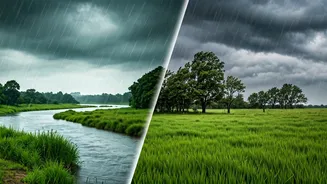
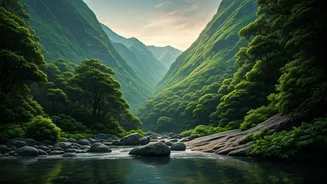
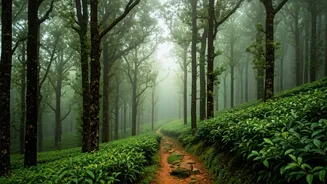
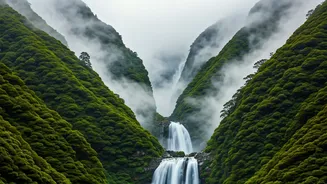
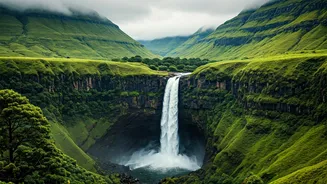
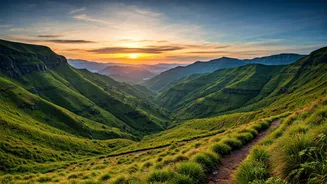
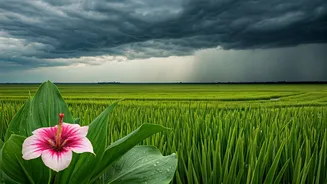
If your idea of a perfect holiday involves curling up with a book and a hot beverage while mist rolls past your window, the Western Ghats in monsoon are calling your name. This UNESCO World Heritage site, older than the Himalayas, transforms into a vibrant green paradise between June and September. The mood is romantic, tranquil, and deeply rejuvenating. Destinations across Maharashtra, Karnataka, Kerala, and Tamil Nadu, such as Lonavala, Coorg, Munnar, and Wayanad, come alive. The air is thick with the scent of wet earth, and waterfalls that were mere trickles in summer become roaring cascades. Activities here are more serene and sensory. You can take gentle walks through verdant tea and coffee plantations, go on a guided tour to spot unique monsoon flora and fauna, or simply enjoy the dramatic spectacle of the rain from a cosy resort. While adventure is available—think challenging waterfall treks and ziplining—the main attraction is the atmosphere itself. It is a chance to slow down and witness nature’s most dramatic annual rebirth.
The Adventurer vs. The Romantic: What’s Your Style?
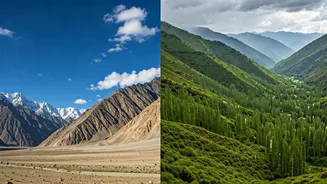
Your choice ultimately boils down to your travel personality. Ladakh is for the seeker of thrills and solitude. It requires acclimatisation to the altitude and a readiness for long travel days on rugged terrain. It’s a destination that rewards effort with unparalleled views and a sense of accomplishment. The journey is as important as the destination, with each high-altitude pass you cross feeling like a victory. The Ghats, on the other hand, are for those seeking comfort, romance, and sensory indulgence. They are more easily accessible from major cities and offer a wider range of accommodation, from luxury resorts to quaint homestays. The Ghats are about surrendering to the elements, finding beauty in the mist and rain, and enjoying the lushness of a world drenched in water. It is a trip for relaxation, not exertion.
Practicalities: Weather, Crowds, and Costs
In July, Ladakh offers pleasant daytime temperatures around 21-25°C, though nights can be chilly. Being peak season, expect more tourists and higher prices for flights and accommodation. Booking in advance is highly recommended. The Ghats will be wet, with temperatures ranging from 20-28°C. This is considered the off-season in some parts, which can mean fewer crowds and better deals on hotels. However, be prepared for potential travel disruptions due to heavy rain and slippery roads. For Ladakh, pack layers, sunscreen, and a good hat. For the Ghats, a high-quality raincoat, waterproof footwear with good grip, and perhaps an umbrella are essential.