




The Air-Purifying Promise
The belief that houseplants can scrub our indoor air clean is incredibly popular, and it all stems from a well-known study conducted by NASA in 1989. Researchers were looking for ways to purify the air in sealed environments, like a space station. They
placed common houseplants in small, airtight chambers and introduced pollutants known as volatile organic compounds (VOCs), such as formaldehyde and benzene. The results were impressive: plants like the Peace Lily and English Ivy were able to remove a significant percentage of these chemicals from the sealed chamber's air within 24 hours. This finding quickly became a marketing sensation, leading to plant labels and articles promising that a few pots of greenery could detoxify our homes.
What Modern Science Says
While the NASA study was scientifically valid for its specific conditions, its findings don't translate well to the average home or office. The key difference is that our homes are not small, sealed chambers. They have much larger volumes of air and constant ventilation from opening doors, windows, and HVAC systems. More recent studies have concluded that you would need an enormous number of plants to make a meaningful impact on indoor air quality. Some estimates suggest needing between 10 to 1,000 plants per square meter of floor space to compete with a building's natural air exchange rate. The consensus now is that while plants do absorb tiny amounts of VOCs, their effect on overall air quality in a typical room is negligible. The real benefits of having plants are psychological; they are linked to reduced stress, improved mood, and a general sense of well-being.
Focus on What Truly Matters: Sunlight
Instead of buying a plant as a bio-filter, the surest path to success is to choose one for the joy it brings and, most importantly, for the light conditions you can provide. Light is the single most critical factor in a houseplant’s survival. No matter its supposed air-purifying qualities, a plant that needs bright sun will perish in a dark corner, and a low-light plant will get scorched on a sunny windowsill. Understanding your home's light is the first step to becoming a successful plant parent. Pay attention to which direction your windows face and how many hours of direct or indirect sun each spot receives throughout the day. This simple observation will guide you to a plant that doesn't just survive, but truly thrives.
Best Choices for Low-Light Corners
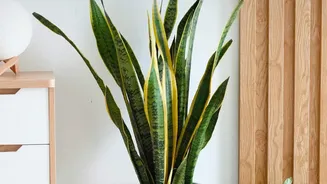
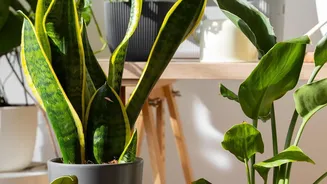
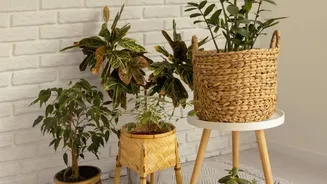
Many homes have spots that don't get a lot of natural light, but that doesn't mean they have to be plant-free. Low-light plants are adapted to survive in the understory of forests and are perfect for north-facing windows or rooms with little sun. The Snake Plant (Sansevieria) is famously tough and tolerant of neglect, thriving in almost any light condition. Similarly, the ZZ Plant (Zamioculcas zamiifolia) is another nearly indestructible option with glossy, dark green leaves that does perfectly well in dim environments. Pothos and Philodendron are trailing vines that are adaptable and can handle lower light levels, making them great for shelves or hanging baskets.
Perfect Picks for Bright, Indirect Light
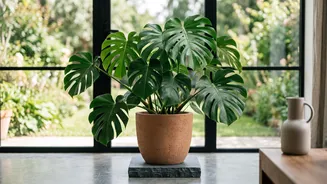
The most common condition in many homes is bright, indirect light—think of a spot near an east-facing window or a few feet back from a west or south-facing one. This is the sweet spot for a huge variety of popular houseplants. The iconic Monstera deliciosa, with its fenestrated leaves, loves this kind of light. The Peace Lily (Spathiphyllum), one of the stars of the NASA study, also thrives here and will reward you with its elegant white blooms. Ferns, Spider Plants, and Calatheas (Prayer Plants) are also excellent choices that enjoy consistent, filtered brightness without the harshness of direct sun.
Thriving in Sun-Drenched Spots
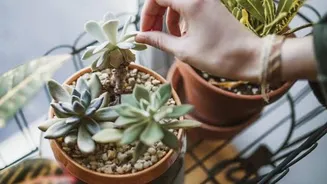
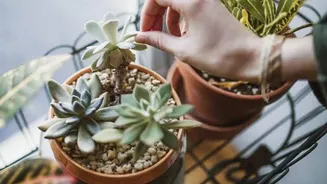
If you have a south-facing window that gets blasted with sun for hours, you have the perfect environment for sun-loving plants. Cacti and most succulents are the obvious choice, as they are native to desert environments and crave intense light. The Jade Plant (Crassula ovata) and Aloe Vera are two classic examples that will be very happy in a sunny spot. For something with a more tropical feel, a Bird of Paradise (Strelitzia) can handle direct sun and makes a dramatic statement with its large, paddle-like leaves. Many carnivorous plants, like the Venus flytrap, also need direct sun to have the energy to power their traps.