





Hoi An: A Living Museum
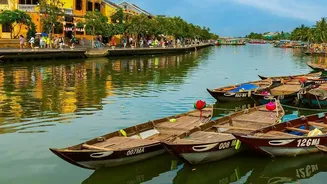
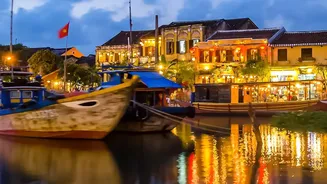
The journey begins in Hoi An, a UNESCO World Heritage site that feels suspended in time. Located on the banks of the Thu Bon River, this former international trading port flourished from the 15th to the 19th century. Its streets are a captivating fusion
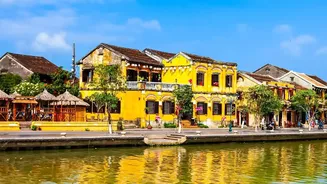
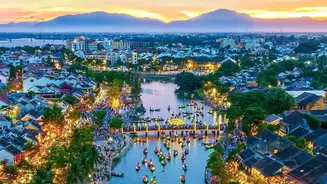
of cultures. Wander down lanes lined with mustard-yellow shophouses, a signature of the town, where Vietnamese, Chinese, and Japanese architectural styles blend seamlessly. The most iconic landmark is the Japanese Covered Bridge, first built in the 16th century by Japanese merchants to connect their quarter with the Chinese community. By day, explore the ancient houses of merchants, like the beautifully preserved Tan Ky Old House. As dusk falls, the town transforms into a magical spectacle as thousands of colourful silk lanterns illuminate the streets and the river, reflecting a history rich with global trade and local tradition.
Hue: Imperial Echoes on the Perfume River
A short journey north brings you to Hue, the former imperial capital of the Nguyen Dynasty. While technically slightly inland, its history is deeply connected to the coast and it sits majestically on the Perfume River. The centerpiece of Hue is the Imperial City, a vast, walled complex inspired by Beijing's Forbidden City. Within its 10-kilometer-long walls lies a world of palaces, temples, and gardens. Enter through the imposing Ngo Mon Gate and discover the Thai Hoa Palace, where the emperor held grand ceremonies. Though heavily damaged in past wars, significant restoration work has brought many of its structures, like the Kien Trung Palace, back to life. Beyond the citadel, the tombs of the Nguyen emperors are scattered along the river, each a unique architectural statement reflecting the personality of the ruler it honours.
Da Nang: Modern City, Colonial Heart
Often seen as merely the gateway to Hoi An, Da Nang has its own historic streets worth exploring. Once a French colonial outpost known as Tourane, the city retains elegant reminders of its past. A key landmark is the Da Nang Cathedral, built in 1923 and nicknamed the 'Rooster Cathedral' for its weathervane. Its distinctive pink-hued, Gothic-style architecture stands out amidst the modern city bustle. While much of Da Nang is now a thriving modern metropolis, pockets of French colonial architecture can still be found along the Han River. These buildings, now repurposed as government offices or cafes, offer a glimpse into the city's multi-layered history, bridging the gap between its ancient Champa roots and its current status as a vibrant coastal hub.
Quy Nhon: A Quieter Historical Path
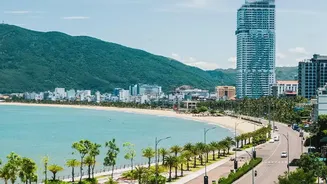
For those seeking a path less traveled, the coastal city of Quy Nhon in Binh Dinh province offers a serene alternative. This city's history stretches back to the ancient Champa Kingdom, which flourished here from the 2nd to the 15th century. The remnants of this civilization are scattered throughout the region in the form of impressive Cham towers. The Thap Doi (Twin Towers) are located right within the city, making them an accessible link to this ancient past. Quy Nhon also features French colonial architecture, a legacy of its time as part of French Indochina in the 19th century. Today, it’s known for its peaceful atmosphere, unspoiled beaches, and a slow-emerging reputation as a destination for travelers interested in both natural beauty and deep history.