




Essential Monsoon Potting Tips
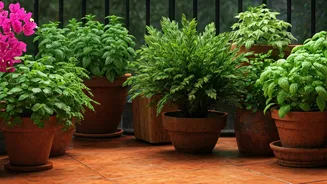
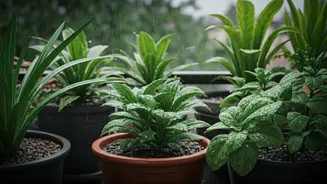
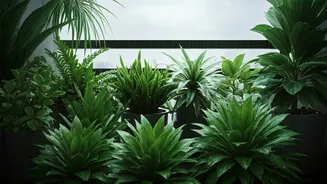
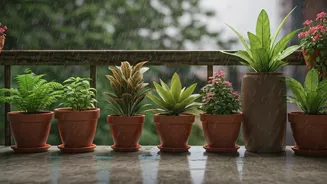
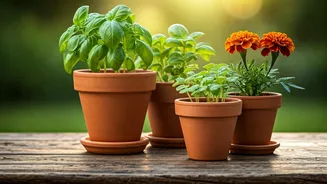
Before we dive into the plants, let's cover the basics. The biggest enemy of pot plants during the monsoon is waterlogging, which leads to root rot. Your number one priority is drainage. Ensure every pot has at least one large drainage hole. Use a light,
well-draining potting mix. You can create your own by mixing equal parts garden soil, cocopeat, and compost, with a handful of sand to improve porosity. Also, elevate your pots on bricks or pot stands to prevent them from sitting in puddles. Finally, be mindful of pests like slugs and snails which thrive in damp conditions; inspect your plants regularly.
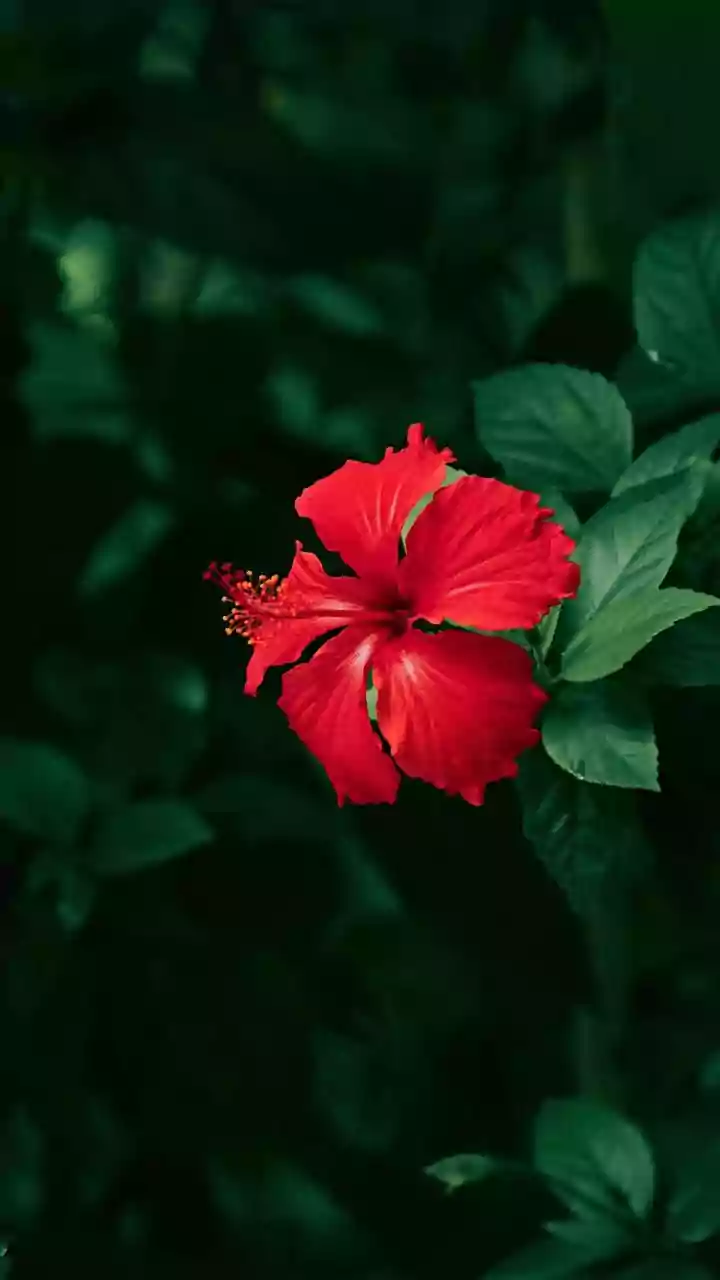
Hibiscus
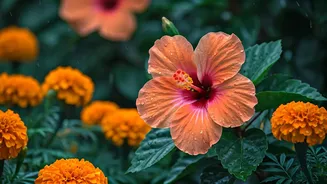
The quintessential tropical flower, the Hibiscus loves the high humidity of the monsoon. These plants produce large, spectacular blooms in shades of red, pink, yellow, and orange, adding a much-needed splash of colour to grey, rainy days. For pots, choose dwarf or compact varieties. They need at least four to five hours of sunlight, so a spot on a sunny balcony is ideal. While they love moisture, their roots still need to breathe. The well-draining soil mix mentioned earlier is perfect. Water them only when the top inch of the soil feels dry, as the rain will often take care of it for you.
Balsam (Impatiens balsamina)
Often called the 'monsoon flower', Balsam is one of the easiest and most rewarding plants to grow during this season. It germinates quickly and starts flowering within weeks, producing beautiful cup-shaped flowers in pink, purple, red, and white. These plants thrive in partial shade and moist soil, making them perfectly suited for the overcast conditions of the monsoon. They have a delicate appearance but are surprisingly robust. You can sow seeds directly into your pots at the beginning of the rains and watch them explode with colour.
Marigold (Genda)
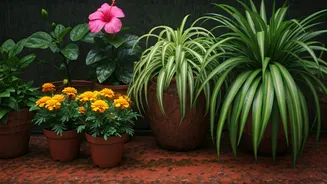
Hardy, cheerful, and incredibly easy to grow, Marigolds are a fantastic choice for a monsoon pot garden. Their bright yellow and orange flowers seem to capture the sunlight, even on cloudy days. They are known for their pest-repelling properties, which is an added bonus during the damp season. Marigolds are not fussy about soil and can handle both full sun and partial shade. The key is to avoid overwatering and to deadhead spent blooms regularly. This encourages the plant to produce more flowers, ensuring a continuous display throughout the season.
Peace Lily (Spathiphyllum)
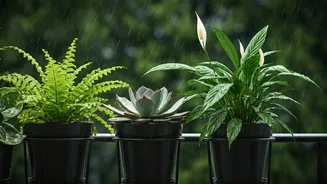
If you're looking for an elegant indoor option, the Peace Lily is your answer. This plant thrives in the high humidity that the monsoon brings indoors. Its glossy, dark green leaves provide a beautiful backdrop for its unique white spathes, which look like flowers. Peace Lilies prefer indirect light, making them ideal for spots away from a direct window. They are excellent air purifiers, helping to combat the stuffiness that can accompany a closed-up home during heavy rain. Let the top soil dry out slightly between waterings, as they are susceptible to root rot if left in soggy soil.
Spider Plant (Chlorophytum comosum)
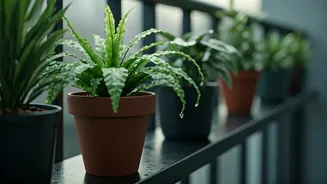
Another fantastic indoor or shaded-balcony option is the nearly indestructible Spider Plant. It’s celebrated for its air-purifying qualities and its forgiving nature. The monsoon's high ambient humidity is perfect for this plant, keeping its arching green-and-white leaves vibrant. They produce tiny plantlets, or 'spiderettes', that hang down from the mother plant, creating a lovely cascading effect in a hanging basket. They prefer their soil to be on the drier side, so be extra cautious not to overwater. A pot with excellent drainage is non-negotiable.
Monsoon-Loving Ferns
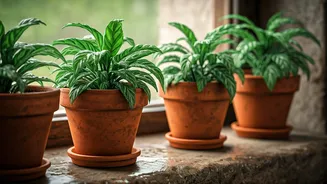
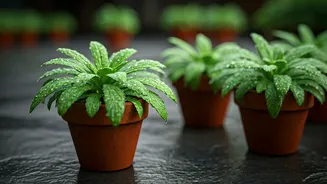
Ferns are the very definition of a rain-loving plant. Species like the Boston Fern or the Maidenhair Fern come alive during the monsoon. Their delicate, intricate fronds add a touch of lush, woodland beauty to any space. They are perfect for shaded balconies, verandas, or bright indoor spots. They adore humidity and consistently moist—but not waterlogged—soil. Misting them occasionally can replicate the fine spray of a jungle, but during the Indian monsoon, the air often does the job for you. Hang them in baskets to let their fronds cascade gracefully.