





The Cardio Comparison
Both aerobics and trampolining, also known as rebounding, are excellent forms of cardiovascular exercise. Aerobics, with its structured routines, reliably elevates your heart rate, building endurance and stamina. Trampolining delivers a surprisingly intense
workout; some studies suggest that 10 minutes of bouncing can be as effective as a 30-minute run for cardiovascular health. Research has found that rebounding is an effective form of both high-intensity and moderate-intensity training. The main goal of cardio is to strengthen the heart muscle, and both activities achieve this by forcing the heart to pump faster and more efficiently.
A Question of Joint Impact
Here lies one of the most significant differences. High-impact aerobics can put considerable stress on your ankles, knees, and hips. In contrast, the flexible surface of a fitness trampoline absorbs a huge amount of the shock—up to 80% according to some sources—making it a low-impact exercise. This makes rebounding an excellent choice for individuals with joint issues, those recovering from certain injuries, or anyone looking to protect their joints from long-term wear and tear. The gentle bouncing motion also helps lubricate joints by promoting the circulation of synovial fluid, which can reduce stiffness.
Calorie Burn and Muscle Engagement
When it comes to burning calories, the intensity is what matters most. A vigorous aerobics class can burn a significant number of calories. However, trampolining holds its own, with some estimates suggesting a higher calorie burn than jogging for the same duration. A 30-minute session can burn between 200 and 400 calories depending on your weight and the intensity of your bouncing. Furthermore, trampolining provides a full-body workout. The unstable surface forces you to engage your core, back, and leg muscles constantly to maintain balance, activating over 400 muscles in a single session.
The Fun Factor and Sustainability
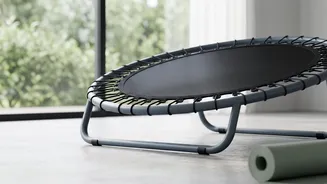
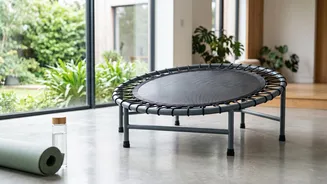
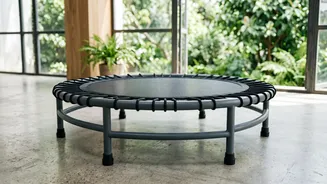
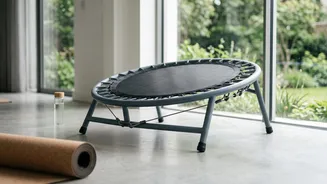
The best workout is the one you stick with, and this is where trampolining often shines. Many people find the act of bouncing inherently fun and less of a chore than traditional exercise. This enjoyment factor can lead to greater consistency and, therefore, better long-term results. Aerobics has its own community and energy, often driven by music and an instructor's motivation, which many people also find highly engaging. Accessibility is another point of comparison; aerobics can be done with minimal equipment at home, while rebounding requires a specific fitness trampoline.
Crucial Trampoline Safety Techniques
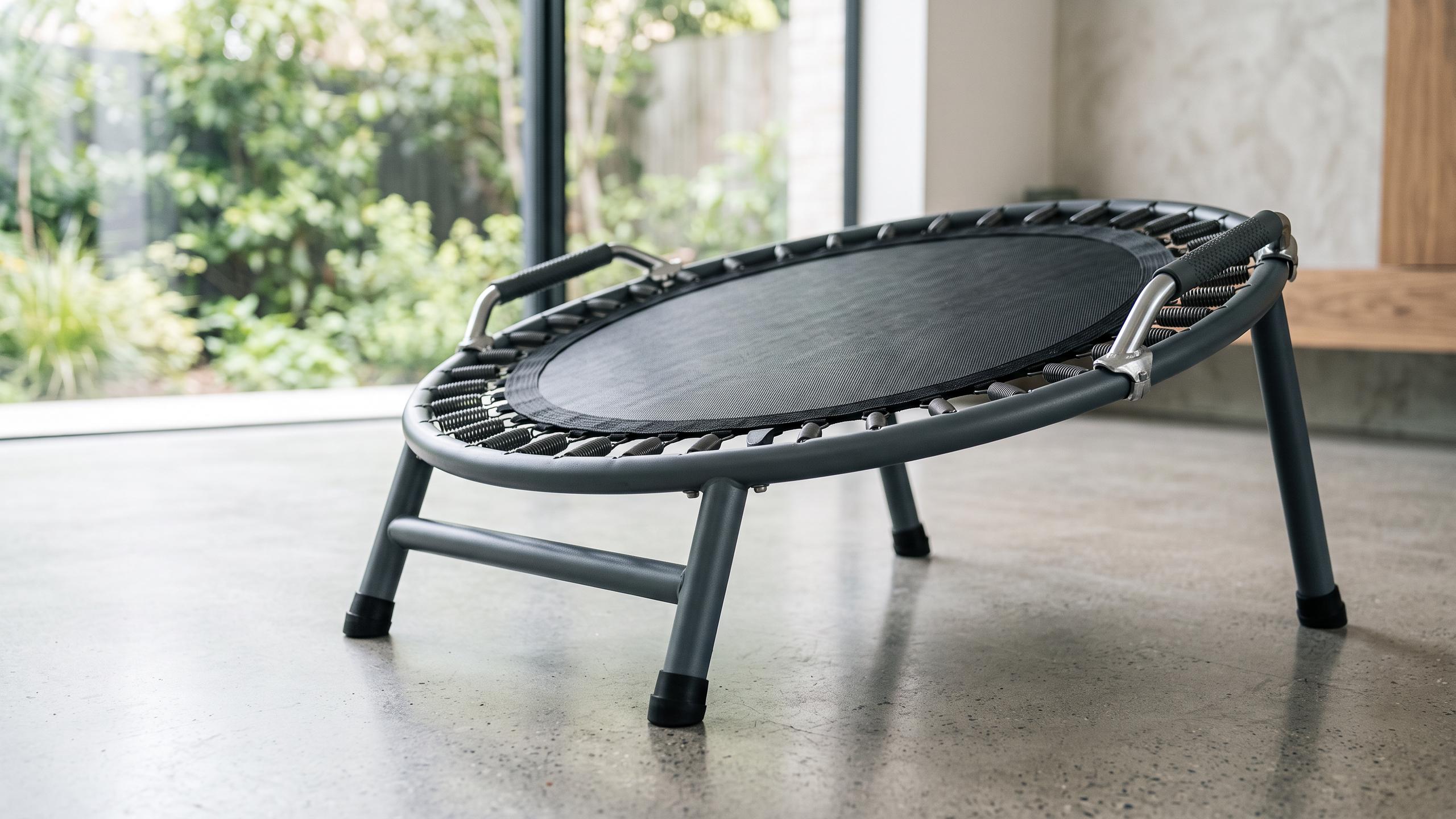
The playful nature of trampolining can mask its potential risks. To exercise safely, it is essential to follow strict guidelines. First, always use a quality rebounder or fitness trampoline designed for exercise, not a large backyard toy. Ensure it is placed on a flat, stable surface with plenty of clear space around it. The golden rule is one jumper at a time to prevent collisions, which are a leading cause of injury. Start with basic, controlled bounces before attempting more complex moves, and completely avoid flips or somersaults without professional training. It’s also wise to regularly inspect your equipment—the mat, springs, and frame—for any signs of wear and tear.