




The Body Fights Back, And Loses
The fundamental problem with living in space is that the human body is an adaptation marvel. Without the constant pull of gravity, it quickly decides it doesn't need strong bones or powerful leg and back muscles. Astronauts can lose 1% to 2% of their
bone density for every month they spend in orbit. Muscle mass can decrease even faster, with losses of up to 20% in under two weeks if left unchecked. This isn't just about getting weaker; it’s a systemic biological shift. Fluids move from the legs to the head, causing a 'puffy face' and 'bird legs' appearance, while the cardiovascular system, no longer needing to pump blood 'uphill,' begins to decondition. Astronaut training, therefore, is essentially a high-stakes battle to trick the body into remembering Earth and remaining strong enough to handle its gravity upon return.
Simulating Space in a Giant Pool
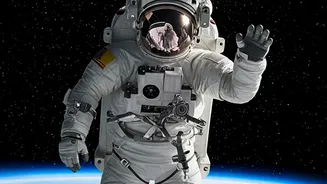
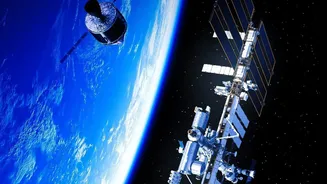
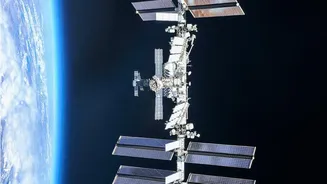
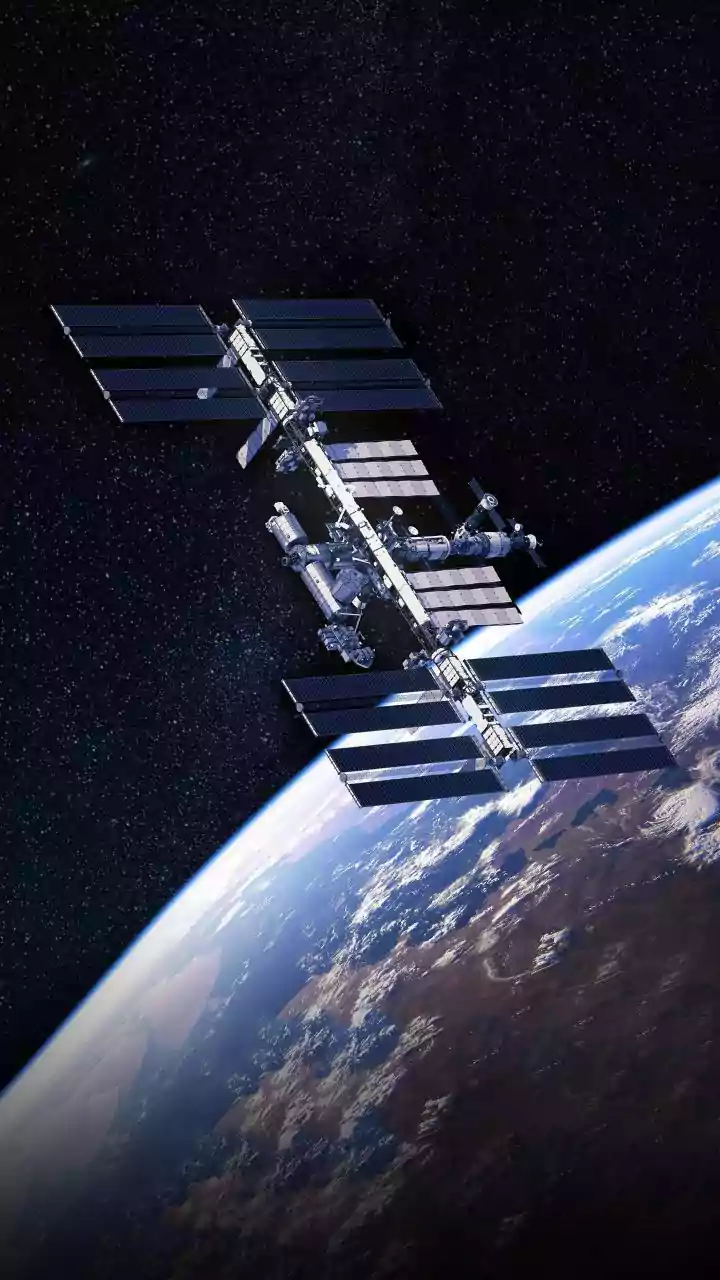
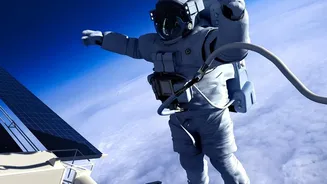
One of the most iconic parts of astronaut training happens deep underwater. At NASA's Neutral Buoyancy Laboratory (NBL) in Houston, astronauts spend hundreds of hours in a colossal 6.2-million-gallon pool. Inside, there is a full-scale replica of the International Space Station (ISS). By weighting their pressurized suits perfectly, astronauts can achieve neutral buoyancy, a state where they neither sink nor float, closely mimicking the feeling of moving in microgravity. Here, they practice complex spacewalks, known as Extra-Vehicular Activities (EVAs), learning how to handle tools and make repairs when every push sends you moving in the opposite direction. While water drag makes movements slower than in space, the methodical pace it enforces is good practice for the careful work required in orbit.
An Orbiting Gym Against Decay
To combat the relentless decay of bone and muscle, astronauts exercise for about two and a half hours every single day while in space. This isn't your average trip to the gym. The ISS is equipped with specialized equipment designed for a weightless environment. The Advanced Resistive Exercise Device (ARED) uses vacuum cylinders to create resistance, allowing astronauts to perform weightlifting exercises like squats, deadlifts, and bench presses to load their bones and muscles. There's also a treadmill (astronauts are harnessed in to stay on it) and a stationary bike for vital cardiovascular workouts. This intense regimen is a non-negotiable part of the mission, crucial for ensuring astronauts return to Earth with enough physical integrity to simply stand up and walk again.
Taming a Confused Mind and Body
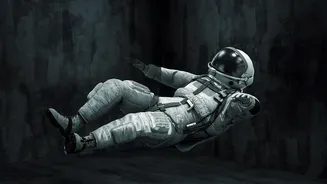
Weightlessness doesn't just affect muscles and bones; it wreaks havoc on the body's internal sense of direction. The vestibular system, located in the inner ear, uses gravity to tell us which way is up. In space, these signals become confused, leading to 'space adaptation syndrome'—a form of motion sickness with symptoms like nausea, vertigo, and headaches that affects many astronauts in their initial days in orbit. To prepare, astronauts undergo training that challenges this very system. They experience brief periods of true weightlessness on parabolic flights in an aircraft nicknamed the 'Vomit Comet'. They also use spinning chairs and virtual reality environments to help their brains adapt to conflicting sensory information from their eyes and inner ears, a process known as vestibular rehabilitation therapy.