




The Unseen Saboteur in Your Kitchen
Humidity, or the amount of water vapor in the air, is a force to be reckoned with in the kitchen, especially in many parts of India. When humidity is high, it can feel like the air itself is working against you. The main reason is that many common pantry
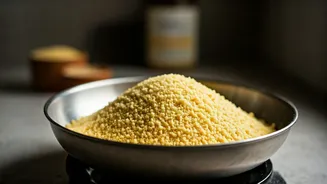
ingredients are 'hygroscopic', meaning they absorb moisture directly from the environment. Flour, sugar, salt, and cocoa powder are all prime examples. On a humid day, a cup of flour can contain significantly more moisture than on a dry day, throwing off the delicate balance of your recipes before you have even begun. This absorbed moisture can lead to sticky doughs, clumpy sugar, and a host of other frustrating kitchen mishaps.
Conquering Baking in High Humidity
Baking is a science, and humidity is the variable that often goes unmeasured. In a humid environment, flour absorbs ambient moisture, which can make doughs and batters overly sticky and slack. This excess weight can cause cakes to have a dense, gummy texture or even sink in the middle. To combat this, you need to adjust your ingredient ratios. A good starting point is to reduce the liquid (like water or milk) in your recipe by about 10-20%. You might also need to add an extra tablespoon or two of flour until the dough feels right—less sticky and more manageable. Some bakers also recommend slightly increasing leavening agents like baking powder to give the heavy, wet batter an extra lift. Finally, consider increasing your oven temperature slightly, as this can help evaporate excess moisture and form a stable crust faster.
Keeping Your Pantry Pristine
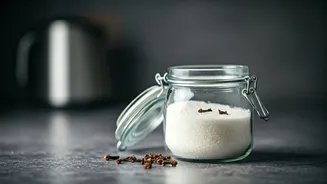
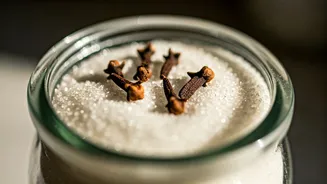
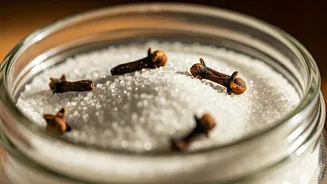
Humidity doesn't just affect active cooking; it wages a silent war on your stored goods. The moisture in the air can turn granulated sugar and salt into solid clumps, make crispy biscuits and crackers go soft, and create an ideal environment for mould to grow on everything from bread to spices. The key to victory here is airtight storage. Glass jars with silicone or rubber seals are the gold standard, as they block moisture and don't absorb odors. For highly perishable or expensive items like nuts and certain spices, storing them in the refrigerator or freezer can dramatically extend their life by protecting them from humidity and heat. Pay attention to where you store things; keeping spices and oils away from the stove, a source of both heat and steam, will preserve their flavour and prevent spoilage.
Beyond Baking: Everyday Cooking Adjustments
The influence of humidity extends to everyday cooking as well. When you are trying to reduce a sauce or make a caramel, the process might take longer because the ingredients are starting with a higher water content. Fried foods can also be a challenge; the moisture in the air can make it difficult to get a perfectly crisp coating. One strategy is to ensure your ingredients are as dry as possible before cooking and to work in a well-ventilated space. Using an exhaust fan while cooking not only helps with odours but also plays a crucial role in removing steam and lowering the humidity level in the immediate cooking area. In extremely humid conditions, a dehumidifier in the kitchen can be a game-changer, helping to create a more controlled environment for both cooking and food storage.