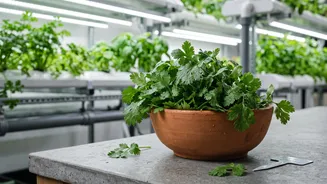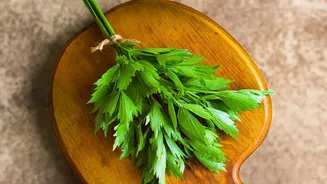


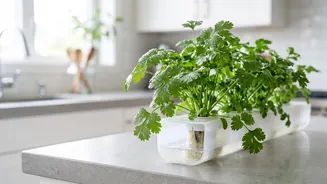
Fresh dhaniya is essential in any Indian kitchen, but growing it indoors can be messy. Imagine a steady supply without soil-borne pests or dirt on your windowsill. Soilless cultivation offers a clean, efficient way to grow this vital herb year-round.
What is Soilless Growing?
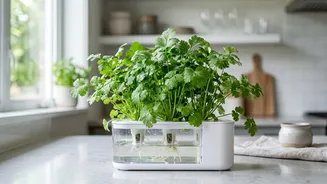
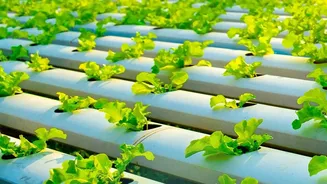
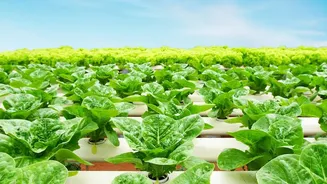
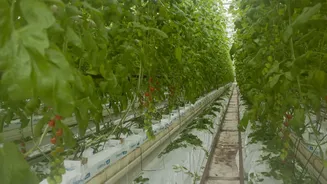
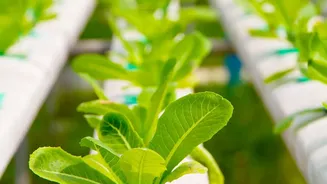
Soilless growing, most commonly known as hydroponics, is a method of cultivating plants in a nutrient-rich water solution instead of soil. While it might sound like something from a science lab, the concept is simple: plants get all the food they need delivered directly to their roots. This technique eliminates the need for dirt, which in turn gets rid of soil-based pests and diseases. For home gardeners, this means a cleaner, more controlled environment to grow fresh produce. Simple systems can be created at home using basic containers, making it an accessible option for beginners.
Why Grow Coriander Hydroponically?
Coriander, or dhaniya, is a perfect candidate for hydroponics. One of the biggest challenges with growing it in soil is its tendency to 'bolt' — flower prematurely in hot weather, which can make the leaves bitter. Hydroponics allows you to control the temperature, extending the harvest. Plants often grow faster because nutrients are readily available to the roots, allowing the plant to focus its energy on leaf production. This method also saves water, as systems often recycle the nutrient solution, and offers the convenience of year-round gardening, ensuring you have fresh leaves for your curries and chutneys whenever you need them.
Getting Started: What You'll Need
You don't need an expensive, high-tech setup to start. A simple passive system, often called the 'Kratky method', is perfect for beginners and works well for coriander. Here’s a basic list: a container (like a food-grade bucket or even a large mason jar), net pots (small mesh baskets to hold the plant), a growing medium (like clay pebbles or coco coir to provide support), coriander seeds, and a premixed hydroponic nutrient solution. For indoor setups, a grow light is recommended to ensure the plant gets the 12-14 hours of light it needs for healthy growth.
Step_by_Step Guide to Soilless Coriander
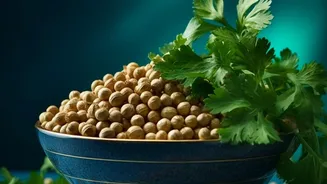
First, prepare the seeds. Coriander seeds are technically a fruit containing two seeds, so gently crushing the outer husk can improve germination. Soaking them overnight also helps. The easiest way to germinate them is in a damp paper towel placed in a dark, warm spot for a few days until tiny roots emerge. Once sprouted, place the seedlings into your growing medium within the net pots. Prepare your nutrient solution according to the package directions, ensuring the pH is between 5.5 and 6.5 for optimal nutrient absorption. Place the net pots into the lid of your container so that the roots are submerged in the solution.
Care and Harvesting
Coriander thrives in cooler temperatures, ideally between 15°C and 22°C, to prevent bolting. Position your setup near a window with plenty of light or use a grow light for 12 to 16 hours a day. Check the nutrient solution every couple of weeks and top it up or replace it as needed. Your coriander should be ready for its first harvest in about four to five weeks, or once the plant is around 15 cm tall. To ensure a continuous supply, use the 'cut-and-come-again' method: snip the outer, larger leaves first and leave the central growing point intact. This encourages the plant to become bushier and keep producing new leaves.