
The Foundation: Lentils and Rice
Across India, lentils (dal) and rice form the backbone of countless meals, and breakfast is no exception. This combination provides a balanced foundation of protein and carbohydrates, offering sustained energy to start the day. From whole lentils to split
varieties and from long-grain rice to flattened flakes, these two ingredients are transformed through soaking, grinding, fermenting, and steaming into an astonishing array of textures and forms. Their mild, earthy flavors make them the perfect canvas for the bold and aromatic spices that define each regional dish.
South India's Fermented Wonders
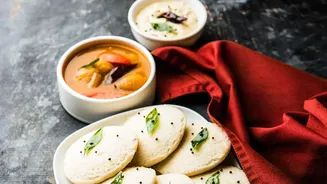
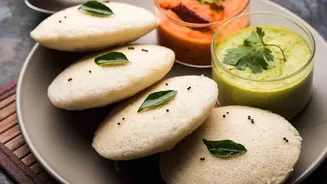
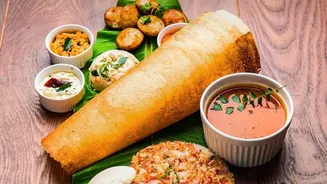
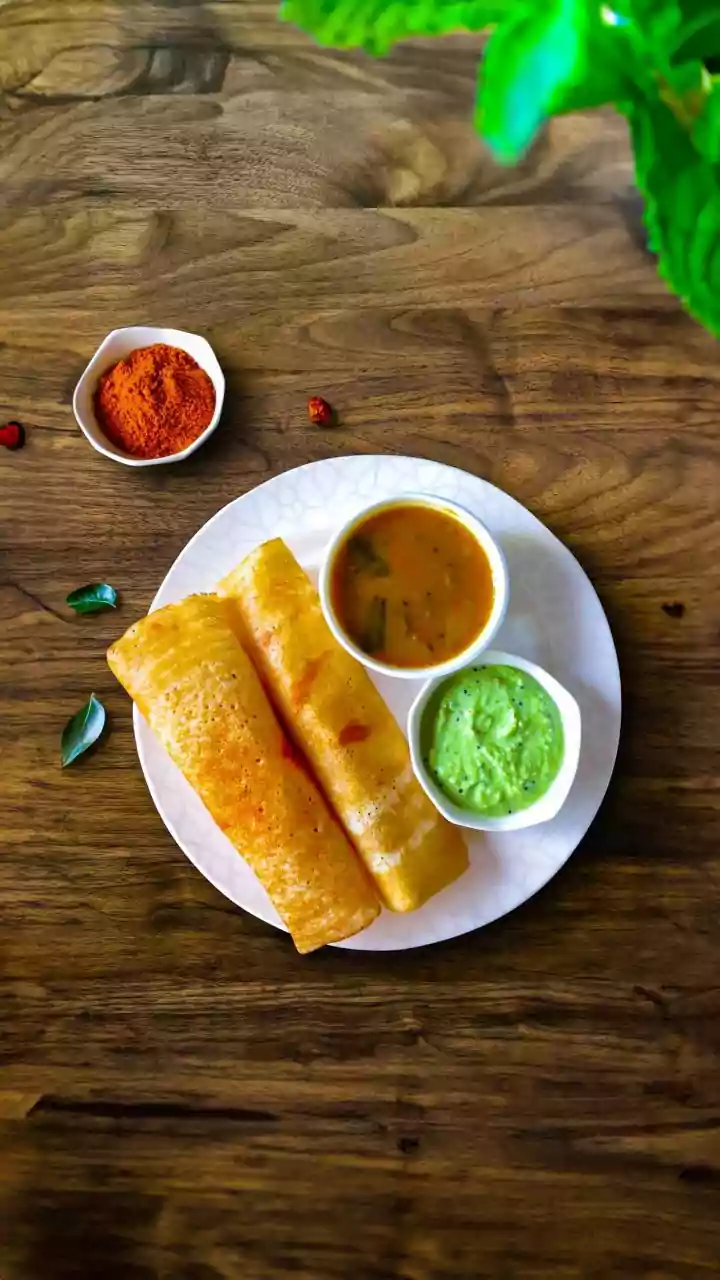
Travel to South India, and you'll encounter the magic of fermentation. Here, a batter of soaked rice and urad dal (black lentils) is left to ferment overnight. This process not only develops a pleasant sour tang but also makes the dishes lighter and easier to digest. The resulting batter is used to create two iconic breakfasts: Idli and Dosa. Idlis are soft, fluffy, steamed rice cakes, while dosas are thin, crispy crepes cooked on a griddle. Both are typically served hot with sambar, a flavorful lentil-based vegetable stew, and a variety of chutneys, often made from coconut or peanuts.
Western India's Quick Comfort
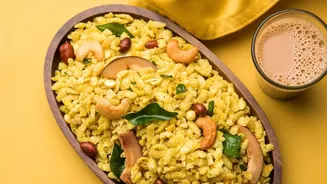
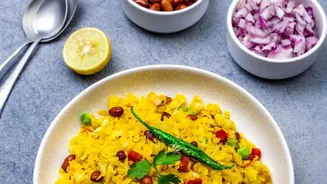
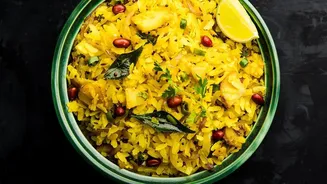
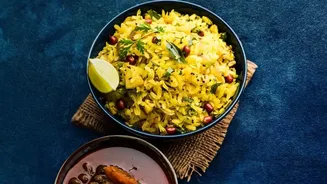
In states like Maharashtra and Madhya Pradesh, a quick and satisfying breakfast is made from poha, or flattened rice. These paper-thin flakes are rinsed until soft, then tossed in a pan with a flavorful tempering—a technique called 'tadka'—of hot oil infused with mustard seeds, curry leaves, turmeric, and green chilies. Onions are almost always present, which is why the popular Maharashtrian version is called Kanda Poha ('kanda' means onion). Often, roasted peanuts are added for crunch, and the dish is finished with a squeeze of lemon and fresh coriander. It's a light yet filling meal that comes together in minutes.
Andhra's Protein-Packed Pancake
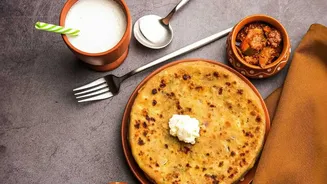
Originating from Andhra Pradesh, Pesarattu is a crepe similar to a dosa but with a key difference: it's made primarily from whole green moong dal. The lentils are soaked and ground into a batter, sometimes with a small amount of rice to add crispiness. Unlike dosa, the pesarattu batter does not require fermentation, giving it a distinct, earthy flavor rather than a sour one. It's often spiced with ginger and green chilies blended directly into the batter. A popular variation is the Upma Pesarattu, where the crepe is filled with a savory semolina porridge called upma, creating a uniquely satisfying meal.
The All-India Classic: Khichdi
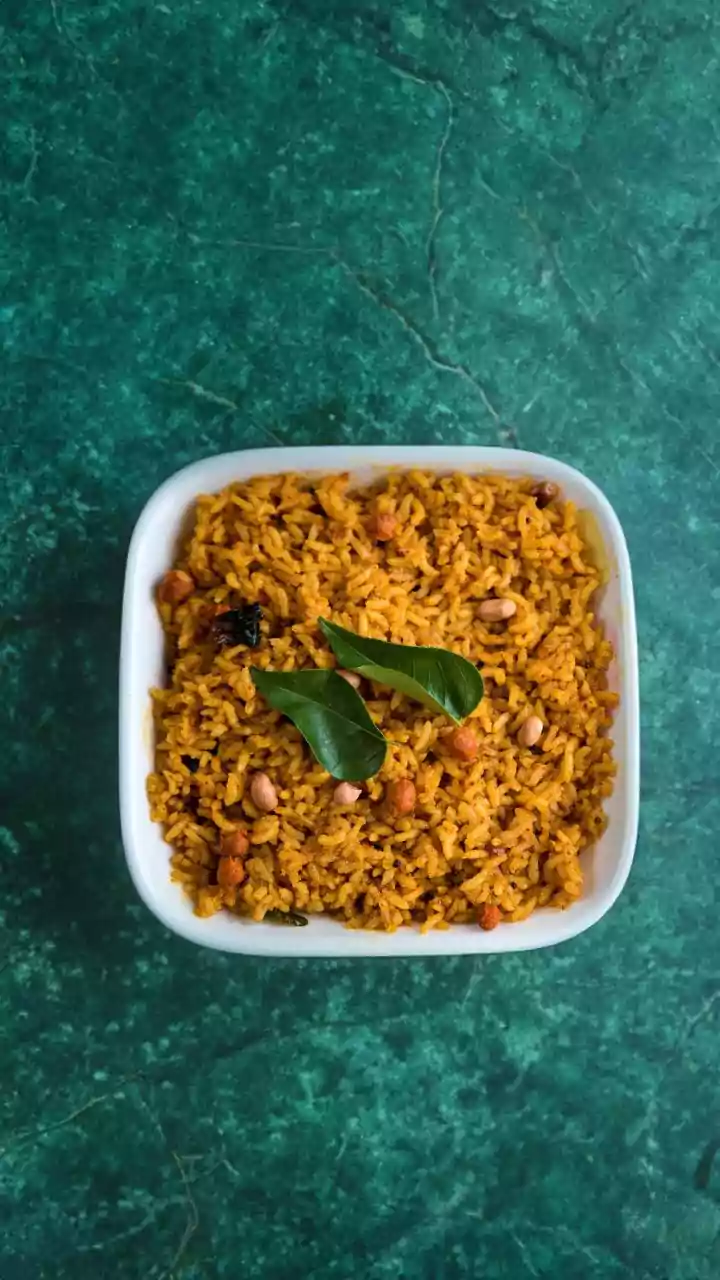
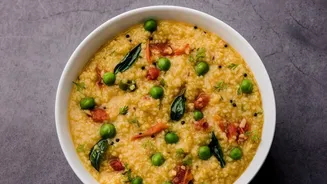
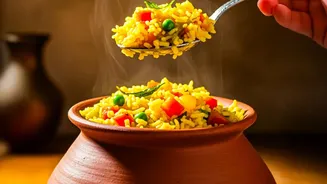
While often known as a simple comfort food, Khichdi—a one-pot dish of rice and lentils—is a versatile breakfast in many parts of India, particularly in regions like Hyderabad. Made by simmering rice and dal (often moong dal or red lentils) together until soft and porridge-like, its character is defined by spices. A typical breakfast khichdi is savory, seasoned with turmeric, ginger, and whole spices like cloves and cinnamon. It’s a nourishing, gentle start to the day and can be enjoyed simply with a dollop of yogurt or a side of pickle.
Your Essential Spice Starter Kit
To begin your journey, you don't need a pantry full of spices. A few key essentials will unlock the flavors of most of these dishes. Start with black mustard seeds, cumin seeds, and turmeric powder, which form the base of many Indian recipes. Curry leaves add a unique, aromatic fragrance, especially in South and West Indian cooking. Asafoetida (hing), a pungent resin used in tiny amounts, provides a savory, onion-like depth. Finally, dried red chilies or green chilies can be added for a touch of heat. Mastering the art of 'tadka', or tempering these spices in hot oil or ghee, is the first step to recreating authentic flavors.