



Why Labels Lie and Measurements Don't
You are not a “Medium” or a “Large.” You are a unique collection of proportions that standard sizing can never perfectly capture. Clothing sizes vary wildly between brands, a phenomenon sometimes called vanity sizing, where numbers are shifted to make
shoppers feel better. The result is a confusing experience where you might be a size 10 in one brand and a 14 in another. This inconsistency is why relying on your own body measurements is so empowering. Taking a few minutes to measure yourself provides a personal, unchanging standard. These numbers—your chest, waist, hips, and inseam—become your reliable guide, cutting through the noise of inconsistent labels and helping you shop with confidence, both online and in-store.
How to Measure Yourself Accurately
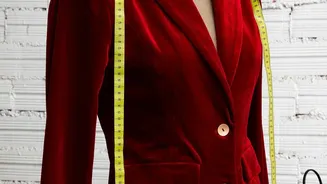
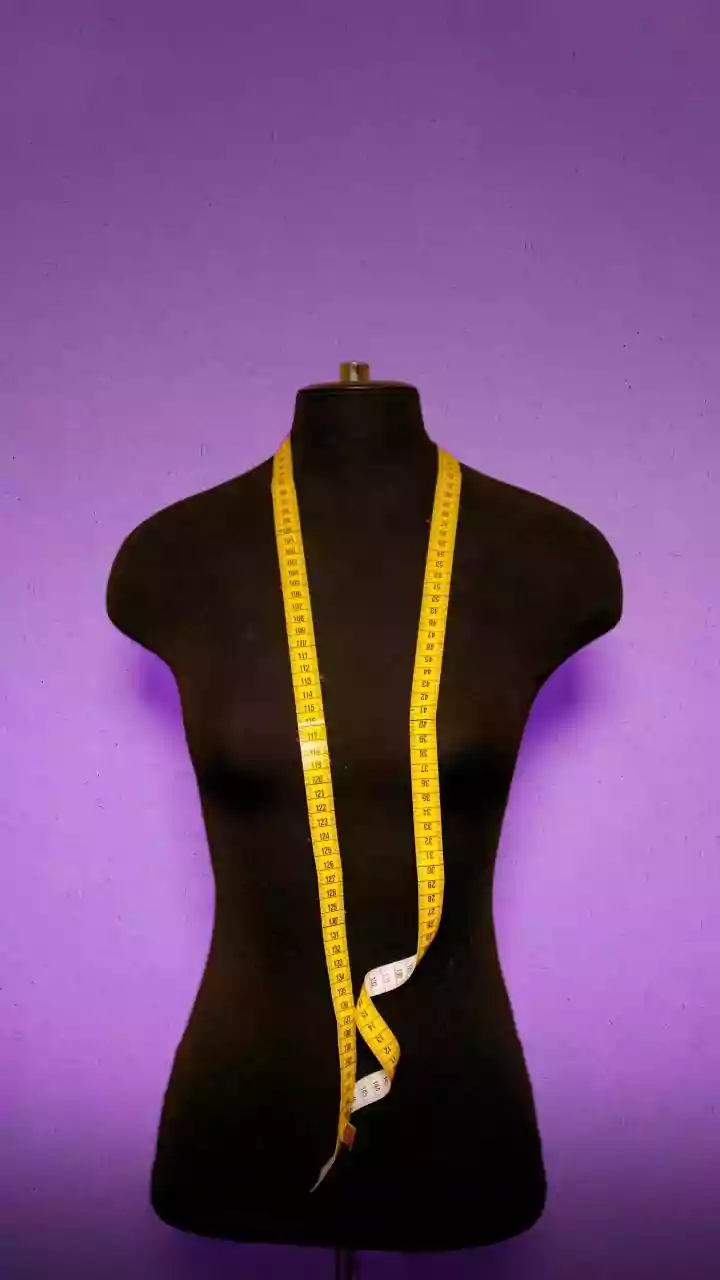
You don't need professional tools—just a flexible measuring tape and about ten minutes. For the most accurate numbers, measure yourself in front of a mirror with little to no clothing on. Keep the tape snug but not tight. The key measurements to take are your chest/bust (around the fullest part), your natural waist (the narrowest part of your torso, usually above the belly button), and your hips (the fullest part of your seat). For trousers, the inseam—measured from the crotch to your desired hemline—is crucial. For jackets and shirts, measuring your shoulders from bone to bone across your back can make all the difference. Write these numbers down and keep them handy on your phone for your next shopping trip.
The 'Buy' Decision: Mastering the Size Chart
With your measurements in hand, online size charts transform from confusing grids into useful tools. When you look at a chart, find the row where your body's numbers fall. If you're between sizes, it’s often better to choose the larger one, as it's much easier for a tailor to take a garment in than to let it out. Pay close attention to fit notes like “runs small” or “oversized fit.” Also, check whether the chart lists body measurements or garment measurements; the latter refers to the clothing itself lying flat, which will always be larger than your body measurements to allow for movement. Reading customer reviews can also provide real-world insight into whether an item is true to size.
The 'Tailor' Decision: When Alterations Are Worth It
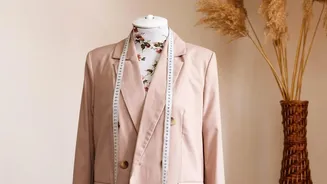
Tailoring is the secret to making good clothes look great. It is most valuable for high-quality, staple pieces you intend to wear often, like blazers, trousers, or formal gowns. Simple alterations like hemming trousers, shortening sleeves, or taking in the waist are relatively inexpensive and can make a garment feel custom-made. However, some changes are more complex and costly. Major structural adjustments, like altering the shoulders of a jacket or completely resizing a garment, may not be worth the investment, especially on lower-quality fast-fashion items. A good rule of thumb is to seek alterations when a garment fits well in the most difficult-to-change areas (like the shoulders) but is slightly off elsewhere. This approach saves money and extends the life of clothes you already love.
The 'Rent' Decision: Perfect for Occasions
For special events like weddings and festivals, renting is an increasingly popular and savvy choice, particularly for Indian wear like lehengas and sherwanis. These elaborate outfits can be very expensive for a single wear and take up significant closet space. Rental services offer access to high-end designer pieces at a fraction of the retail price, allowing you to wear a stunning, perfectly fitting outfit without the long-term commitment. This is also a more sustainable option, reducing fashion waste by keeping beautiful garments in circulation. With social media encouraging a desire for new looks for every event, renting provides a practical solution to avoid repeating outfits without breaking the budget.