
The Late-Summer Spectacle
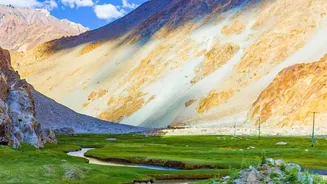
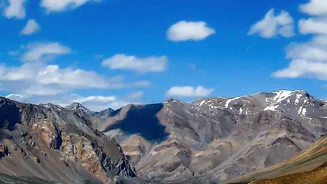
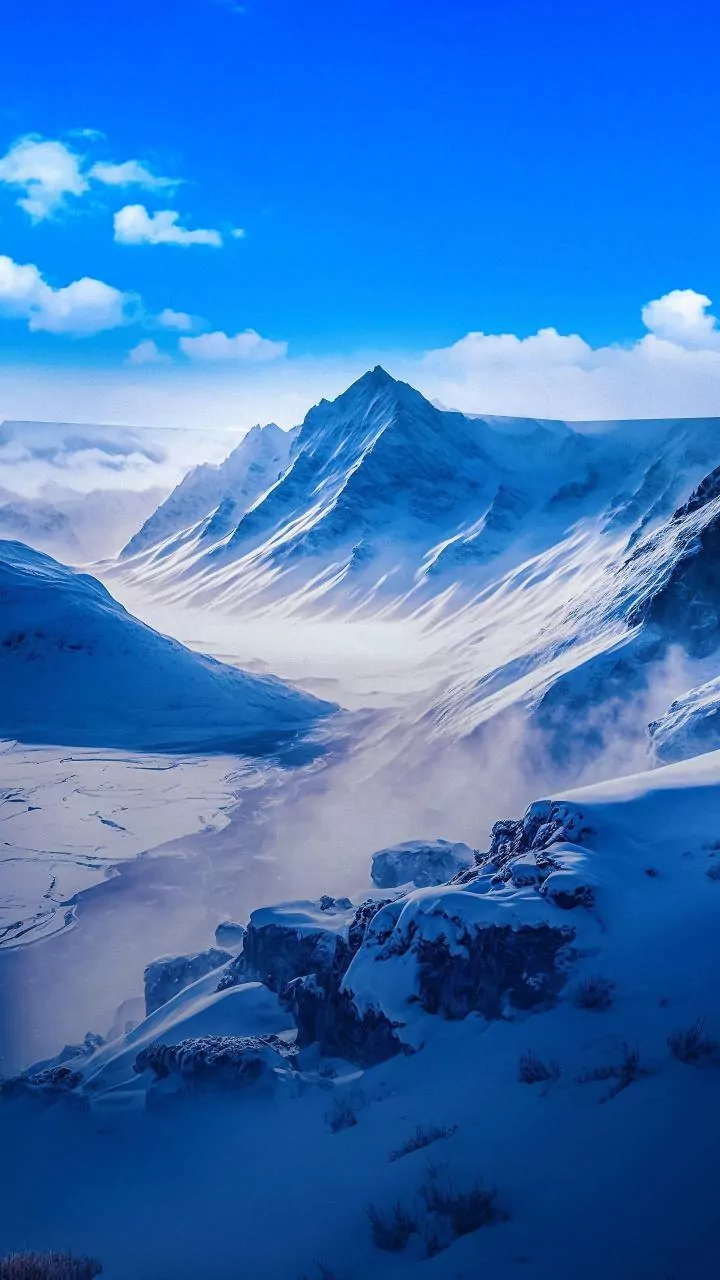
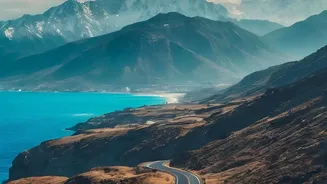
Late August through September is a magical window to visit Ladakh. The monsoon has washed over the subcontinent but largely spared this high-altitude desert, which lies in a rain shadow. The result is clearer skies, reduced haze, and panoramic views of
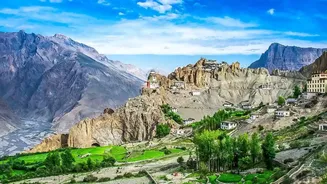
the Stok and Zanskar ranges. This period offers a comfortable climate, with daytime temperatures in Leh hovering between 15°C and 25°C. The landscape, having received just enough moisture, is free from the peak summer dust, and you might even catch the first hints of autumn gold in the Nubra and Suru valleys. It's a shoulder season that combines pleasant weather with fewer crowds than the peak months of July and August.
The Acclimatisation Check
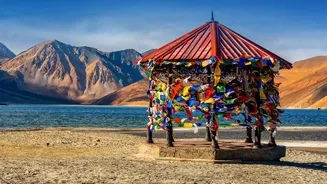
This is the most critical check for any Ladakh visitor. Leh is situated at an altitude of over 11,500 feet, and flying directly in from a low-altitude city is a significant shock to the system. The biggest risk is Acute Mountain Sickness (AMS), a condition caused by the body's struggle with lower oxygen levels. Symptoms include persistent headaches, nausea, dizziness, and fatigue. To prevent it, the golden rule is to acclimatise. The official health advisory from the Leh District Administration recommends a minimum of 48 hours of complete rest and light activity upon arrival in Leh before venturing to higher altitudes like Khardung La or Pangong Tso. Avoid strenuous activity, drink 3-4 litres of water daily, and abstain from alcohol for the first few days. Rushing your itinerary is the biggest mistake you can make; patience is your best defence against AMS.
The Permit Check
To visit popular areas like Nubra Valley, Pangong Tso, and Tso Moriri, travellers need to obtain the necessary permissions. For Indian citizens, the old Inner Line Permit (ILP) system has been simplified. Since 2021, you are required to pay the Ladakh Environment and Development Fee (EDF) online via the official Leh administration portal (lahdclehpermit.in). This fee comprises a one-time environment fee of ₹400, a wildlife fee of ₹20 per day, and an optional Red Cross contribution. Once paid, you must carry printed copies of the receipt, which acts as your permit at various checkpoints. Foreign nationals require a Protected Area Permit (PAP), which must be arranged through a registered local travel agent and typically requires a minimum group of two people.
The Route Check
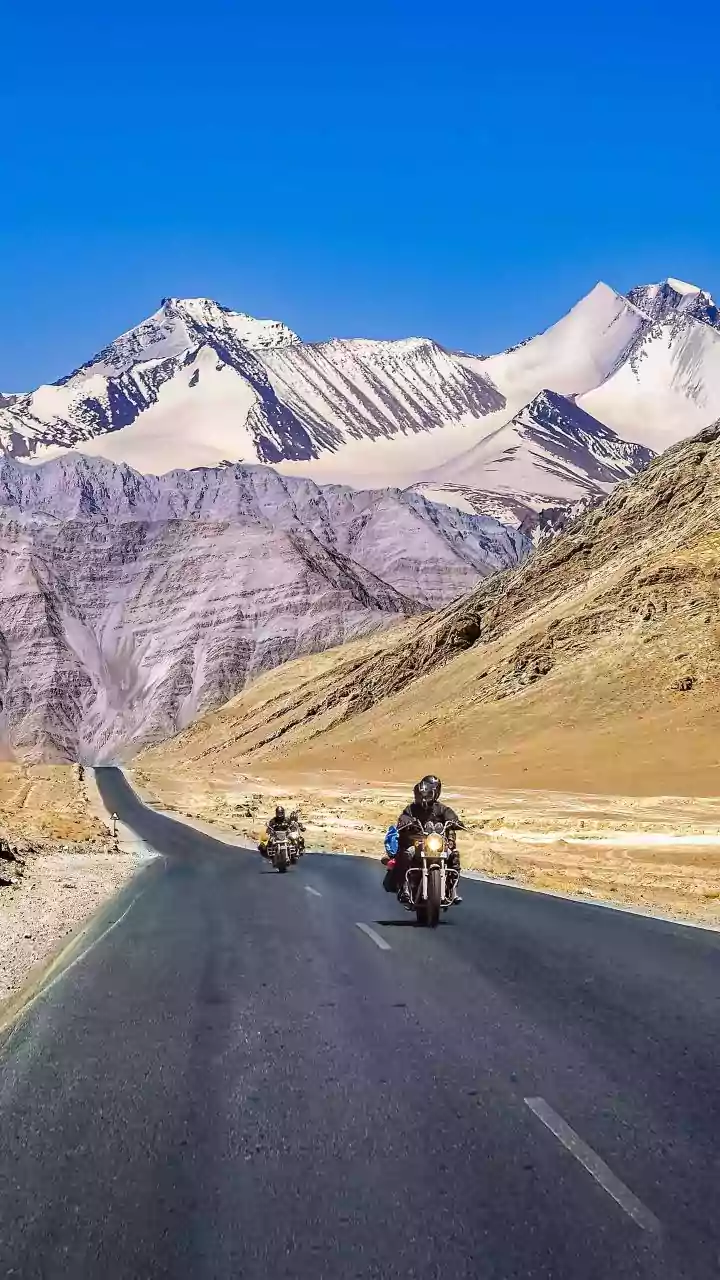
If you're driving to Ladakh, you have two main options: the Srinagar-Leh highway and the Manali-Leh highway. By late summer, both routes are generally in good condition. The Srinagar-Leh route offers a more gradual ascent, which can help with acclimatisation. In September, the post-monsoon scenery in Kashmir is particularly lush. The Manali-Leh highway is more dramatic and challenging, crossing several high passes, including the formidable Tanglang La. While the roads are typically clear, be aware that the monsoon's retreat can still cause landslides on the Manali side. Furthermore, late September can bring the season's first snowfall on high passes like Baralacha La, so it's crucial to check road status with official sources like the Border Roads Organisation (BRO) before you travel.
The Packing Check
Packing for Ladakh means preparing for multiple seasons in one day. The mantra is layering. The strong sun at high altitude can make afternoons feel warm, but temperatures drop sharply as soon as the sun disappears. Essentials include thermal innerwear, fleece jackets, and a windproof and waterproof outer layer. Sun protection is non-negotiable; pack high-SPF sunscreen, a wide-brimmed hat, and UV-protection sunglasses, as the thin atmosphere offers less protection from solar radiation. Sturdy, comfortable walking shoes are a must. Also, carry a basic first-aid kit with medications for headache, nausea, and any personal prescriptions. A reusable water bottle is essential for staying hydrated and helps in reducing plastic waste in this fragile ecosystem.
The Responsibility Check
Ladakh's stunning beauty is matched by its ecological fragility. An influx of tourism has put immense pressure on its limited resources, especially water. As a traveller, you have a role to play. Minimise your environmental footprint by avoiding single-use plastics; many places in Leh offer filtered water refills. Respect local culture by dressing modestly when visiting monasteries and asking for permission before photographing people. Stay on marked roads and trails to avoid damaging delicate vegetation. Choosing to stay in local homestays and eating at local establishments directly supports the community and often offers a more authentic experience.