



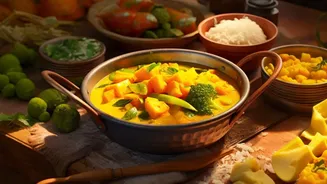
1. Sauté with Water or Broth
The sizzle of onions hitting hot oil is a familiar start to countless recipes. However, you can achieve a similar result without any oil at all. The technique, often called water-sautéing, involves using a small amount of water or vegetable broth to cook
your aromatics. Simply add a few tablespoons of liquid to a hot, non-stick pan and add your chopped vegetables. Stir them periodically, adding more liquid by the tablespoon if the pan becomes dry. This method gently cooks the vegetables, preventing them from sticking while still allowing them to soften and release their flavours. For extra browning, you can let the water evaporate completely for a moment before deglazing the pan with another splash of liquid, scraping up the flavourful browned bits from the bottom. It’s a direct, simple swap that works wonders for curries, stir-fries, and soups.
2. Embrace Different Cooking Methods
Frying is not the only way to achieve delicious results. Shifting your cooking method is one of the most effective ways to reduce oil. Baking, roasting, grilling, and steaming are all excellent alternatives that require minimal to no oil. Roasting vegetables in an oven, for example, can bring out their natural sweetness with just a light spritz of oil or even none at all if using parchment paper. Steaming preserves nutrients and results in a clean, fresh taste, perfect for vegetables and fish. And then there's the air fryer, which has soared in popularity for its ability to create a crispy, 'fried' texture using just hot, circulating air and a fraction of the oil used in deep-frying. While an air fryer and a convection oven work on similar principles, the air fryer's compact size often cooks food faster and can achieve a superior crunch.
3. Invest in Quality Non-Stick Cookware
Sometimes, the tools you use are as important as the ingredients. A high-quality non-stick pan or a well-seasoned cast iron skillet can dramatically reduce the amount of oil you need. The primary purpose of oil in many applications is simply to create a barrier between the food and the pan's surface to prevent sticking. A good non-stick surface does most of that work for you. This allows you to cook everything from an omelette to a pancake with just a tiny wipe of oil or none at all. When sautéing, the smooth surface of a non-stick pan makes cooking with water or broth even easier, as ingredients glide effortlessly without catching. While they require proper care—avoiding metal utensils and harsh cleaning—the investment pays off by empowering you to cook with far less fat.
4. Control Your Pour with a Spray or Brush
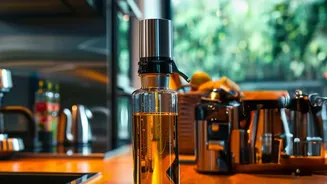
Reducing oil doesn't always mean eliminating it completely. It can also mean using it more consciously. Instead of pouring oil directly from the bottle into the pan, which often leads to using more than necessary, take control of the quantity. An oil sprayer or mister is a fantastic tool for this. A few pumps can lightly and evenly coat an entire pan or a tray of vegetables, using significantly less oil than a traditional pour. Alternatively, you can use a silicone pastry brush. Pour a small amount of oil into a bowl, dip the brush, and then lightly paint the surface of your pan or the food itself. This gives you precise control and ensures only a thin, effective layer is applied. This method is particularly useful for roasting, grilling, or preparing dishes in an air fryer where a minimal coating helps with browning and crisping.
5. Substitute with Purées in Baking
In baking, oil provides moisture and contributes to a tender texture. Fortunately, several healthy ingredients can perform a similar role. Fruit purées like unsweetened applesauce or mashed bananas are classic substitutes in recipes for muffins, cakes, and sweet breads. They add moisture and some natural sweetness, allowing you to reduce not just the oil but sometimes the sugar, too. As a general rule, you can often replace the oil with about half to three-quarters the amount of purée. Other effective substitutes include puréed pumpkin, sweet potato, or even non-fat yogurt. These swaps can make baked goods denser, so experimenting with your favourite recipes is key. Starting with a partial substitution can help you find the right balance of texture and flavour without sacrificing the quality of your bake.