

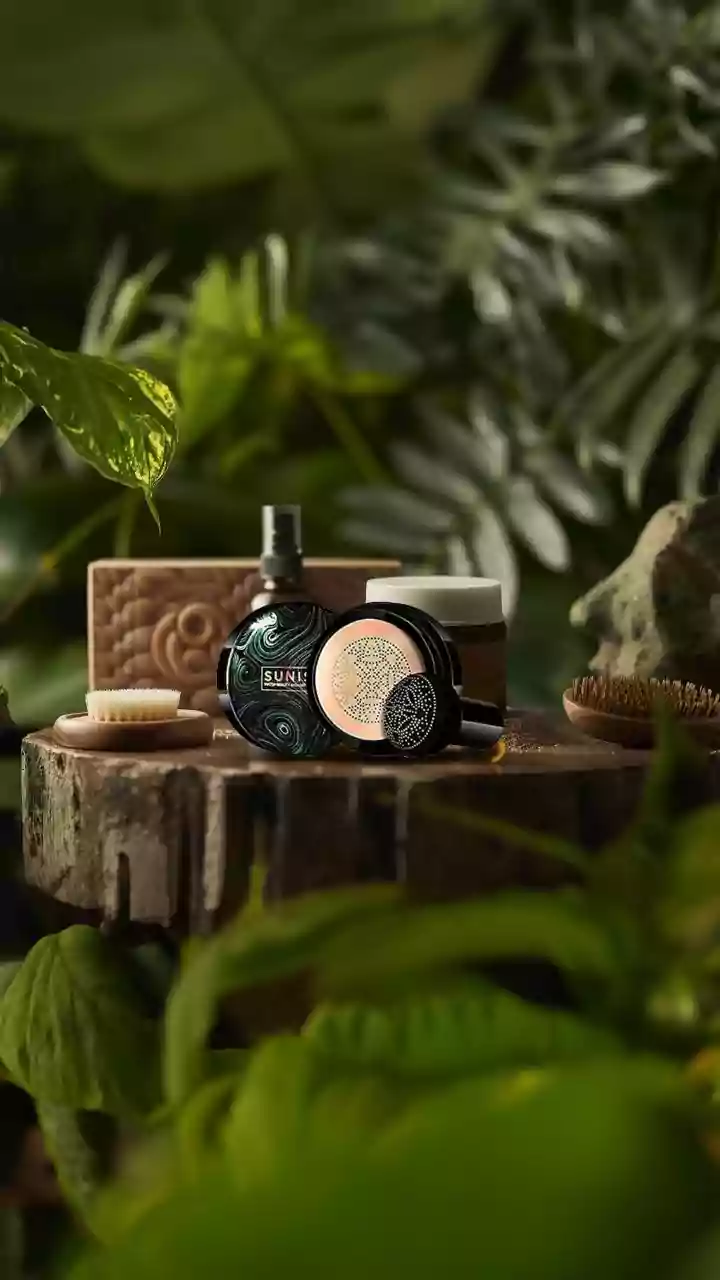





Why Humidity Makes Your Skin Greasy
During the rainy season, the air is saturated with moisture. This high humidity signals your skin’s sebaceous glands to produce more oil, or sebum. [15] This excess oil, combined with sweat and environmental pollutants, can create a perfect storm for
clogged pores, stickiness, and acne breakouts. [9, 21] While it may seem like your skin is hydrated, the constant moisture can actually disrupt its natural barrier, making it more sensitive and reactive. [4, 11] The goal for monsoon skincare is not to dry the skin out, but to control excess sebum while providing lightweight hydration to keep the skin barrier healthy and functioning optimally. [13, 22]
Cleanse Gently, But Thoroughly
With the extra grime and oil, it’s tempting to wash your face more often or use a harsh, stripping cleanser. However, this can backfire by damaging your skin's protective barrier and paradoxically triggering even more oil production. [13, 25] Instead, opt for a gentle, pH-balanced cleanser twice a day. [7] Gel-based or light foaming formulas are excellent for removing impurities without stripping the skin. [7, 16] For those who wear makeup or water-resistant sunscreen, consider double cleansing in the evening—starting with an oil-based cleanser to melt everything away, followed by your regular gentle face wash to ensure your pores are completely clean. [7, 10]
Swap Heavy Creams for Lightweight Hydrators
This is the core of the “less grease, more balance” philosophy. Just because the air is humid and your skin feels oily doesn't mean you can skip moisturiser. [13] Doing so can dehydrate your skin, causing it to produce even more oil to compensate. [17] The solution is to trade your thick, creamy moisturisers for lightweight, non-comedogenic (non-pore-clogging) alternatives. [16, 18] Look for gel, water-based, or lotion formulas. [14, 17] Key ingredients to seek out are humectants like Hyaluronic Acid, which pulls moisture into the skin without feeling heavy, and Glycerin. [6, 7] These provide essential hydration, leaving your skin feeling plump and comfortable, not greasy.
Embrace Balancing Ingredients
To achieve true balance, incorporate ingredients that regulate sebum and support your skin barrier. Niacinamide (a form of Vitamin B3) is a superstar for humid weather. [10, 12] It helps control excess oil production, minimises the appearance of pores, and soothes inflammation, making it ideal for preventing monsoon breakouts. [6, 23, 25] You can find it in serums, moisturisers, and even sunscreens. [12, 19] Gentle exfoliation with chemical exfoliants like Salicylic Acid (BHA) or Glycolic Acid (AHA) one to two times a week can also be beneficial. [7, 10] These help to clear out clogged pores and remove dead skin cells, preventing acne before it starts. [25]
Don’t Let the Clouds Fool You: Use Sunscreen
One of the biggest mistakes in monsoon skincare is skipping sunscreen. [18] Up to 80% of the sun's harmful UV rays can penetrate through clouds, meaning your skin is still vulnerable to sun damage, premature aging, and hyperpigmentation. [3, 8] In fact, wet surfaces like roads and puddles can reflect UV rays, increasing your exposure. [2, 8] To avoid a sticky, heavy feeling, choose a lightweight, gel-based, or matte-finish sunscreen with at least SPF 30. [2, 7] Water-resistant formulas are a smart choice to ensure protection even if you get caught in a downpour. [2, 3]