









An Overload of the Senses
To understand thunder anxiety, we must first appreciate a dog's heightened senses. It is not just the loud clap of thunder that causes distress. Dogs can sense the drop in barometric pressure and the change in the air's static electricity long before
we can. For some dogs, the buildup of static in their fur can even create uncomfortable or painful shocks. Add to this the low-frequency rumbles we can't hear, the disorienting flashes of lightning, and the sound of wind and heavy rain, and you have a full-blown sensory assault. This is not a simple fear of a loud noise; it is an overwhelming environmental event that their instincts tell them to escape.
Recognising the Signs of True Anxiety
A fearful dog is not a 'bad' dog. The behaviours you see are symptoms of a phobia, a condition known as astraphobia. These signs can range from subtle to severe. You might notice excessive panting, drooling, or yawning, which are early indicators of stress. As the anxiety escalates, this can turn into intense trembling, shaking, and restless pacing. Many dogs will frantically seek a safe space, trying to hide in small, enclosed areas like cupboards, bathrooms, or under furniture. Some might become destructive, chewing on doors or digging at walls in a desperate attempt to escape the perceived threat. Others may whine, bark, or howl uncontrollably. These are not conscious acts of disobedience, but outward expressions of an internal panic attack.
Why Punishment Only Makes It Worse
When faced with destructive behaviour or incessant barking, it can be tempting to scold your pet. However, experts unanimously agree this is the worst thing you can do. Punishment confirms the dog's belief that there is something to be terrified of, adding you to the list of scary things happening during the storm. It increases their anxiety and confusion, potentially worsening the phobia over time. Similarly, while it feels natural to coddle and excessively reassure them, this can sometimes be misinterpreted as a reward for their fearful behaviour. Instead, the most helpful approach is to remain calm yourself. Your steady presence is more comforting than any frantic attempt to console them.
How to Create a Safe Haven
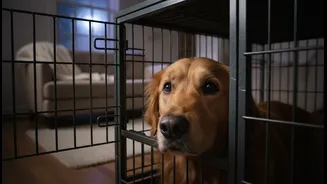
Since you cannot stop the storm, the best strategy is to manage your dog's environment to minimise its impact. The first step is to allow your dog to retreat to a 'safe space'. This could be a closet, a bathroom, or a crate (with the door left open so they do not feel trapped). You can make this space more comfortable by closing curtains to block lightning flashes and playing white noise, classical music, or turning on the television to muffle the sound of thunder. Some theories suggest dogs hide in bathrooms because the porcelain of a bathtub can help ground them from static electricity. The goal is to give them a dark, insulated den where they feel protected from the sensory onslaught outside.
Management Tools and When to Seek Help
For many dogs, environmental management is not enough. This is where other tools can be incredibly helpful. Pressure wraps, like the popular Thundershirt, apply gentle, constant pressure to a dog's torso, which can have a significant calming effect, similar to swaddling an infant. Distracting your dog with a high-value treat, like a food puzzle, can also help build a more positive association with the storm's arrival. In more severe cases, however, professional intervention is necessary. Untreated anxiety can worsen over time and severely impact your dog's quality of life. A veterinarian or a certified animal behaviourist can provide a comprehensive plan that may include behaviour modification techniques and, if necessary, anti-anxiety medication to help your dog cope safely during these terrifying events.