



The Problem with the Pane
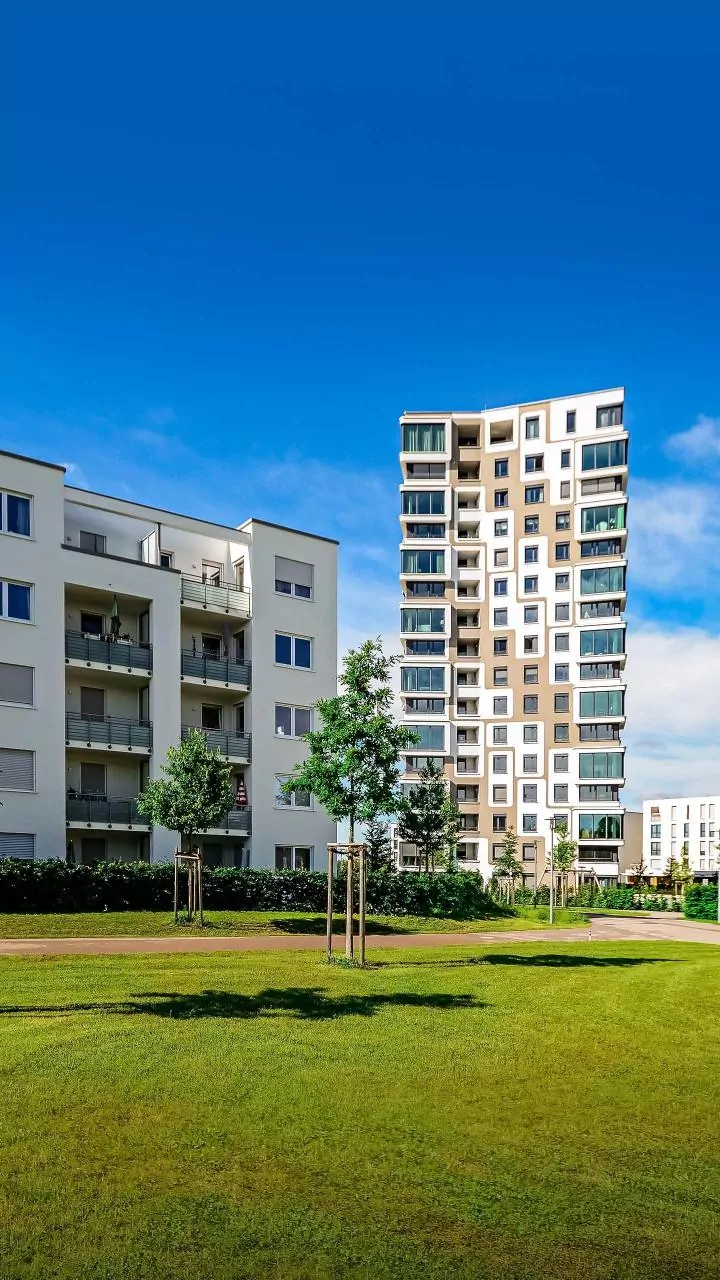
For millions of Americans living in dense cities, the view from the window isn't one of rolling hills or tranquil forests. It’s the side of another building, a cluttered alleyway, or a gray expanse of asphalt and concrete. This isn't just an aesthetic
complaint; it's a wellness issue. Constantly being surrounded by a hard, lifeless environment can contribute to feelings of stress, fatigue, and disconnection. The urban landscape, for all its energy and opportunity, often starves our senses of the natural patterns, colors, and textures we are biologically wired to crave. This quiet, daily deficit can take a toll on our mental clarity and overall mood, leaving us feeling drained by the very environment we call home.
Nature's Answer: Biophilic Design
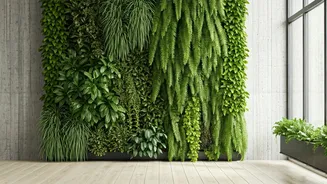
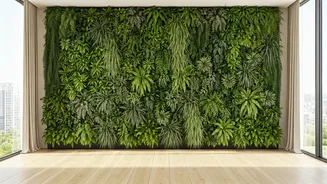
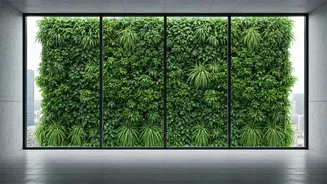
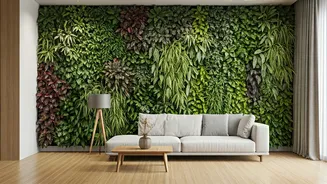
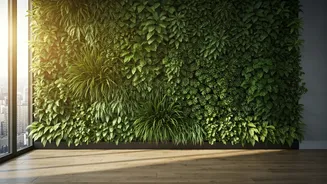
The solution isn’t just adding a potted plant to your desk and calling it a day. It’s about embracing a concept called 'biophilia'—the idea, popularized by biologist E.O. Wilson, that humans possess an innate tendency to seek connections with nature. Biophilic design is the practice of translating this connection into the built environment. It goes beyond simple decoration and aims to create spaces that actively improve our well-being by incorporating natural elements. And one of its most dramatic and effective expressions is the indoor green wall. Also known as a living wall or vertical garden, this is a wall surface partially or completely covered with living plants, turning a flat, boring plane into a vibrant, thriving ecosystem.
More Than Just a Living Painting
A green wall does more than just block a bad view; it replaces it with a dynamic, living spectacle that actively benefits your brain. Studies in environmental psychology have shown that exposure to nature, even in small doses, can reduce stress, lower blood pressure, and improve focus and creativity. A living wall provides what’s known as a 'soft fascination'—its gentle, complex patterns hold our attention effortlessly, allowing our minds to recover from the mental fatigue of directed focus (like staring at a screen). The varied shades of green, the subtle movements of leaves, and the textures of the foliage all work to soothe our nervous systems. Furthermore, these walls can act as natural sound absorbers, dampening the ambient noise of the city and creating a more tranquil indoor atmosphere. While some claims about air purification can be overstated, a dense wall of healthy plants does contribute to better indoor air quality by absorbing CO2 and releasing oxygen.
From High-Tech to DIY
The idea of a wall of plants might conjure images of costly, complex installations requiring professional maintenance—and those certainly exist. High-end systems often feature sophisticated, automated irrigation and drainage built right into the structure. These are common in corporate lobbies, upscale restaurants, and luxury homes. However, the green wall concept has become increasingly accessible. Modular systems with individual plant pockets allow for more manageable, scalable installations that can be tailored to a smaller apartment or office. Some simpler felt pocket systems can be hung on a wall and watered by hand. For the dedicated DIY-er, a sturdy trellis with climbing plants like pothos or philodendron can create a similar lush, green effect over time with significantly less investment. The key is choosing the right plants for your indoor light conditions and being realistic about the maintenance commitment.