


The Non-Negotiable: Drainage
The single most critical feature of any plant container, upcycled or not, is drainage. Without holes to let excess water escape, soil becomes waterlogged, cutting off oxygen to the roots. This creates a perfect environment for root rot, a condition that
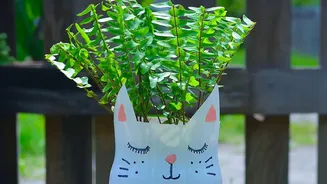
is often fatal to plants. Your beautiful DIY planter can quickly become a plant’s worst enemy. Before you add a single scoop of soil, make sure your chosen item has a way for water to get out. For materials like plastic jugs, metal cans, or old wellies, an adult can carefully drill or hammer a few holes in the bottom. For ceramics or glass, you’ll need a special drill bit to avoid shattering the container. The goal is to allow water to flow freely, preventing it from pooling at the base.
Size Matters for Healthy Roots
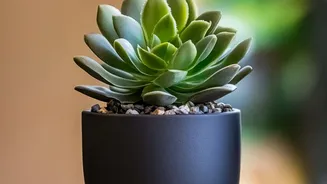
That tiny teacup might look adorable with a succulent, but will the plant have enough room to grow? The size of your planter directly impacts root health. A container that is too small will restrict root growth, causing the plant to become “rootbound” and dry out too quickly. On the other hand, a pot that is excessively large holds too much soil and moisture, which can also lead to root rot because the plant's small root system can't absorb the water fast enough. A good rule of thumb is to choose a container that is about 2 to 4 inches wider than the plant's current root ball. This provides enough space for growth without overwhelming the plant. Before you commit to an upcycled item, consider the mature size of the plant you intend to grow in it.
Material World: Safety and Suitability
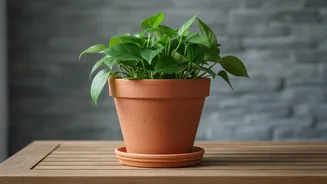
Not all materials are created equal, especially if you plan on growing edible plants like herbs or vegetables. Some items may contain chemicals that can leach into the soil. Be cautious with pressure-treated wood, which can contain preservatives harmful for edible gardens. When upcycling plastic, look for food-safe plastics, typically marked with recycling numbers 2 (HDPE) or 5 (PP). The material also affects your watering routine. Porous materials like unglazed terracotta dry out quickly, making them ideal for drought-tolerant plants like succulents. Non-porous materials like plastic, metal, or glazed ceramics retain moisture much longer, so you'll need to water less frequently. Always clean your container thoroughly with soap and water before planting to remove any residual contents or dirt.
Aesthetic Meets Function
The joy of upcycling is in the creativity. Old colanders make fantastic planters because they come with built-in drainage. A hanging shoe organizer can be transformed into a vertical herb garden. An old wooden drawer can become a rustic home for flowering annuals. The key is to adapt the item to suit the plant. If you fall in love with a decorative pot that has no drainage holes, don't plant directly into it. Instead, use it as a “cachepot”—a decorative outer container. Keep your plant in a simple plastic nursery pot with drainage holes, place it inside the prettier container, and remove it for watering. This gives you the best of both worlds: a unique look without compromising your plant's health.