


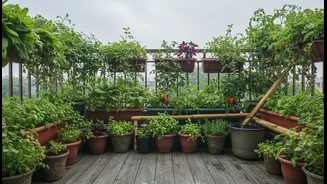


The Appeal of a Balcony Oasis
The dream of picking your own herbs for tea or fresh chillies for dinner is a powerful one, especially in a bustling city. Urban gardening, particularly on a small scale, is booming in India as people seek a connection to nature, healthier lifestyles,
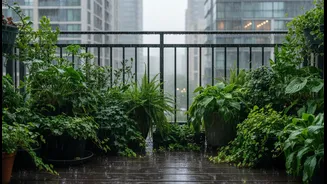
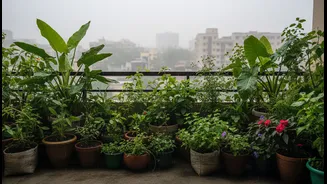
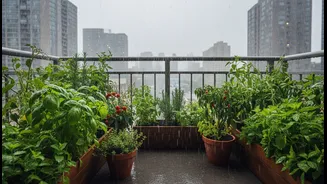
and the simple joy of watching something grow. A micro-garden is more than just a source of food; it's a therapeutic hobby that can reduce stress, improve the air quality on your balcony, and create a tiny, beautiful ecosystem. During the monsoon, when nature is at its most generous, the appeal is even stronger, transforming a simple balcony into a lush, green sanctuary.
What to Grow in the Monsoon
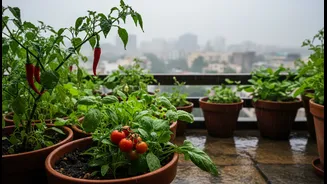
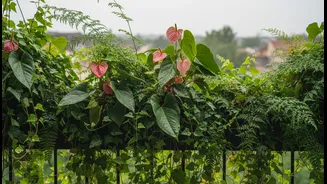
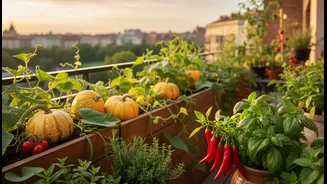
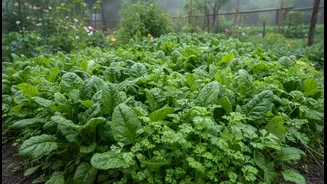
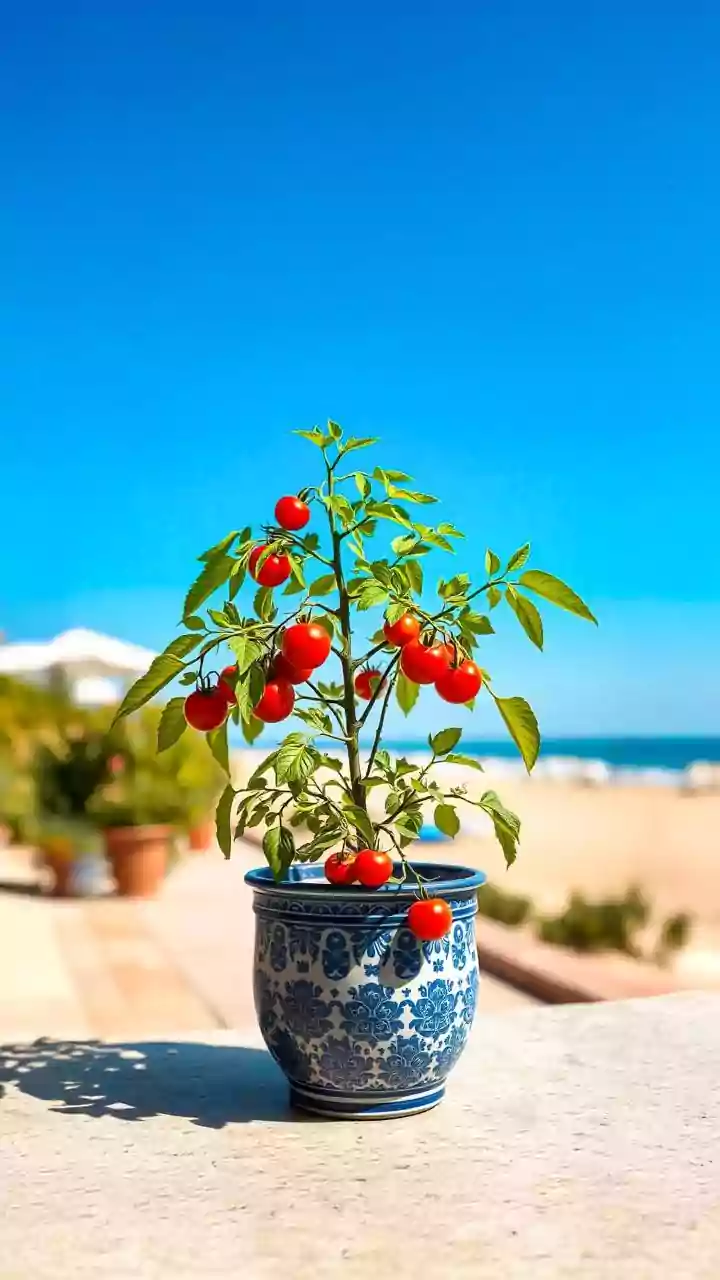
The key to a successful monsoon garden is choosing plants that love humidity and regular rain but don't mind living in a pot. For vegetables, start with leafy greens that grow quickly, like spinach (palak), fenugreek (methi), and coriander (dhania). Chilli and tomato plants also do well, though they may need a spot with at least four to six hours of sunlight. If you have a bit more space, climbers like bitter gourd can be rewarding. Herbs are a must-have for any kitchen garden; mint (pudina) and basil are particularly easy to grow in containers. For a splash of colour, consider rain lilies, which burst into bloom after a shower, or the ever-reliable hibiscus and periwinkle (sadabahar).
Essential Tips for the Rainy Season
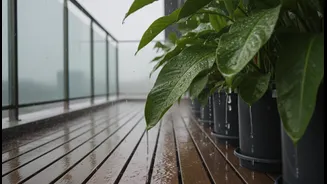
Monsoon gardening presents a unique set of challenges, primarily related to water. While the rain is welcome, too much of it can be a problem. The most critical factor is drainage. Ensure every pot has holes at the bottom so roots don't sit in stagnant water, which leads to rot. It's also a good idea to use a light potting mix—a combination of soil, cocopeat, and compost is ideal—that doesn't become compacted when wet. Don't assume rain is enough; on covered balconies, plants may still need watering, so always check if the top inch of soil is dry. Finally, high humidity can encourage pests and fungal diseases, so keep an eye on your plants and ensure there is good air circulation between them.
But Does the Evidence Stack Up?
This brings us to the crucial question: Can a tiny balcony garden really provide useful food? The evidence is more about managing expectations than hard data. A few pots on a balcony will not make you self-sufficient or replace your trips to the vegetable market. However, studies and anecdotal reports show that even small urban gardens can be highly productive for their size. They can provide a steady, supplemental supply of high-value items like fresh herbs, salad greens, and chillies—ingredients that are best used fresh and are often sold in larger quantities than needed. The 'usefulness' is also measured in freshness, flavour, and the absence of pesticides. The true value lies in having immediate access to small quantities of organic produce, reducing food miles and waste.
A Harvest of Satisfaction
Ultimately, the most significant yield from a balcony micro-garden might not be kilograms of produce, but the satisfaction it brings. The process of nurturing a plant from seed to harvest provides a unique sense of accomplishment. It offers a daily dose of nature and a tangible connection to the food you eat. Research suggests gardening improves mental well-being, and a thriving green space can make urban living more pleasant. So, while the evidence for complete food security from a balcony is thin, the evidence for it being a rewarding, healthy, and useful hobby is overwhelming. It’s about supplementing your plate, but more importantly, feeding your soul.