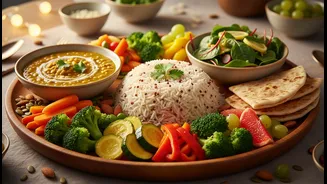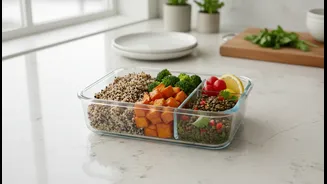





Understanding the Chaturmas Plate
Chaturmas, which in 2026 starts around late July and lasts until late November, is a period of introspection and piety. The dietary guidelines followed are rooted in both spiritual and practical Ayurvedic wisdom. Traditionally, foods considered 'tamasic'
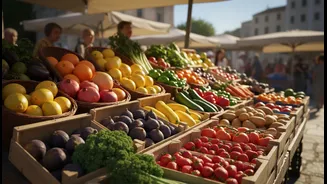
or 'rajasic', which are believed to agitate the mind, are avoided. This includes staples like onion and garlic, as well as meat, and alcohol. The diet aligns with the monsoon season, when our digestive systems are considered weaker. To prevent food-borne illnesses, which are more common in the humid weather, certain vegetables are restricted month by month. For example, leafy greens like spinach are often avoided during Shravan, while yogurt and milk might be limited during Bhadrapada and Ashwin, respectively. The goal is to consume a 'sattvic' or pure diet that is light, nourishing, and easy to digest.
Your New Flavour Heroes
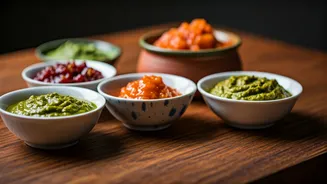
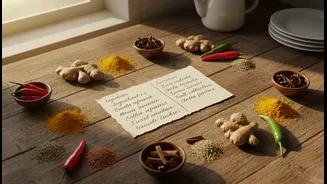
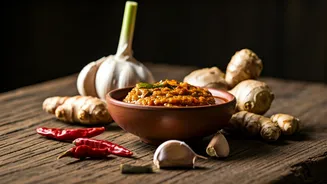
The biggest question for many home cooks is: how do you create flavour without onion and garlic? The answer lies in your spice box and pantry. Embrace ginger as your primary aromatic; its pungent heat provides a wonderful base. Asafoetida (hing) is another game-changer. A pinch bloomed in hot ghee or oil imparts a savoury, umami depth that mimics the flavour profile of onions. Combine these with a base of ripe tomatoes for a robust gravy. Don't forget the power of whole spices like cumin seeds, fennel seeds, and black pepper, along with ground spices like coriander and turmeric. A sprinkle of amchur (dry mango powder) or a dash of lemon juice at the end can add the perfect tangy finish.
Reimagining Grains and Pulses
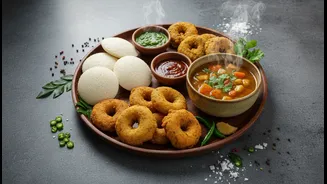
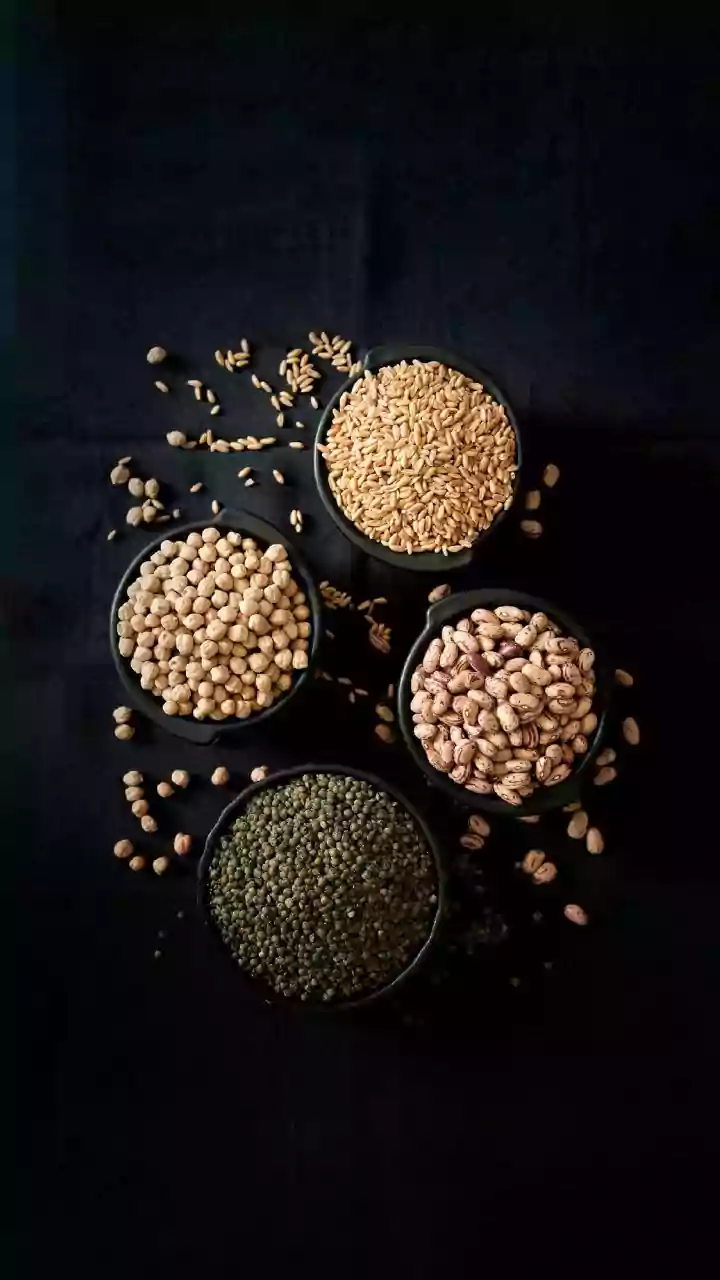
Chaturmas is the perfect time to explore the diverse world of Indian grains beyond just wheat and rice. Amaranth (rajgira) and buckwheat (kuttu) flours can be used to make delicious puris and parathas. Barnyard millet (samak) is incredibly versatile and can be cooked like rice, used for upma, or even in a dosa-like preparation. Sabudana (sago or tapioca pearls) is a fasting favourite for a reason; it's great for making khichdi, vadas, or a creamy kheer. When it comes to pulses, moong dal becomes the star. It is light, easy to digest, and can be prepared in numerous ways, from a simple dal tadka (using ginger and hing) to a rich, creamy version cooked with tomatoes and spices. Many also avoid lentils like urad dal and masoor dal, especially in the final month of Kartik.
Creative Curries and Sabzis
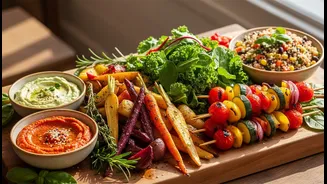
Your sabzi repertoire can flourish during Chaturmas. Instead of the usual potato curries, try making a rich, white gravy dish using a paste of cashews, poppy seeds, and melon seeds. A vegetable kurma made with a ground coconut, ginger, and green chilli masala is another fantastic option that doesn't require any onion or garlic. Vegetables like raw banana, pumpkin, and yam lend themselves beautifully to dry and gravy-based preparations. A simple paneer bhurji, sautéed with tomatoes, ginger, green chillies, and spices, is a quick and protein-packed meal. You can also make koftas using lauki (bottle gourd) or raw banana and float them in a tomato-based gravy for a festive treat.
Snack Smart and Stay Satisfied
Snacking can be a challenge, but there are plenty of fun and compliant options. Roasted phool makhana (fox nuts), tossed with a little ghee and rock salt, is a crunchy and nutritious choice. A colourful fruit chaat with seasonal fruits and a sprinkle of chaat masala (check ingredients for compliance) is always refreshing. For something more substantial, consider pan-fried sabudana tikkis or hara bhara kebabs made with permissible vegetables and binders. Stuffed parathas are another excellent option for a light meal or heavy snack. Fillings can range from spicy mashed potatoes to crumbled paneer or even sattu, offering variety and sustained energy throughout the day.