






The Search for a 'Third Place'
The magic of the modern café lies in a concept popularised by sociologist Ray Oldenburg: the 'third place'. These are the essential social environments we need outside of our two primary ones—home (the first place) and work (the second). For generations,
Indian Coffee Houses served this role, acting as hubs for intellectual and political discourse. Today's cafés are reviving this idea for a new era. In bustling cities, where homes can be cramped and offices isolating, cafés offer a neutral, comfortable ground. They provide a space to relax, think, and simply be, without the pressures of home or the obligations of the workplace.
The New Corner Office
Step into any urban café on a weekday, and you'll see it: a sea of glowing laptops and focused faces. The rise of remote work, freelancing, and the gig economy has turned cafés into unofficial co-working spaces. For many, they strike the perfect balance. Home can be distracting, while a formal office can feel too rigid. A café offers structure without commitment, providing the ambient buzz that some find more motivating than silence. Recognizing this trend, many cafés now intentionally cater to the work-from-café crowd, offering high-speed Wi-Fi, abundant power outlets, and comfortable seating designed for longer stays. Some have even formalized this by creating dedicated co-working zones or membership plans.
A Hub for Hobbies and Happenings
Beyond work, cafés are becoming vibrant cultural centres. The evening and weekend calendar at many local spots is now filled with activities that have little to do with coffee. Open mic nights give aspiring poets and musicians a stage, while book clubs provide a space for quiet community. You can find everything from pottery and painting workshops to board game meetups and even language exchange events. This shift towards experiences helps cafés build a loyal tribe of regulars who come not just for the menu, but for the connection and sense of belonging. Some are even pushing boundaries further, hosting 'coffee raves'—early morning, alcohol-free dance parties that blend wellness, music, and community.
Designing the Experience
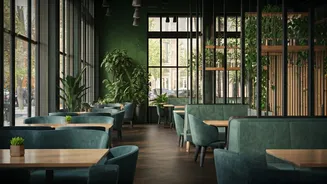
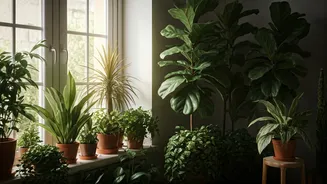
This transformation isn't accidental; it's by design. Modern café owners understand they are in the business of selling an experience, not just a beverage. The aesthetic is crucial, with 'Instagrammable' interiors featuring natural light, greenery, and artisanal decor becoming standard. The layout is often flexible, with a mix of cozy nooks for quiet work, large communal tables for collaboration, and comfortable seating that encourages guests to linger. Many cafés are also becoming retail platforms for local artists and artisans, selling everything from ceramics and artwork to books and merchandise. Some spaces even transform entirely as the day progresses, shifting from a bright, airy café in the morning to a moody, ambient bar by night, maximizing their role in the neighbourhood's social life.