




The Logic Behind the Hack
The idea of using 'fruit water' to feed plants isn't just an old wives' tale; it's rooted in basic plant science. When you wash or soak fruits, especially their peels, trace amounts of essential nutrients leach into the water. The most significant of these
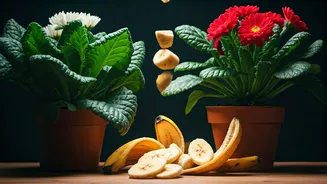
is potassium, which is abundant in fruits like bananas. Potassium is a vital macronutrient for plants, playing a crucial role in promoting flowering, fruiting, and overall plant vigour. It helps regulate water uptake and enzyme activity, leading to stronger stems and more resilient plants. While not a complete fertilizer, this nutrient-infused water can act as a gentle, organic supplement for your jasmine, encouraging it to produce more of those intoxicatingly fragrant blossoms we all love.
Choosing and Preparing Your Fruits
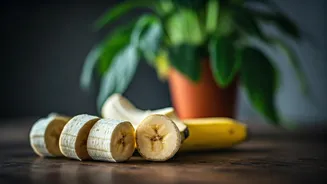
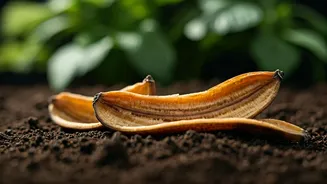
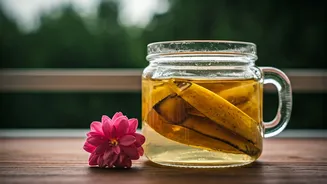
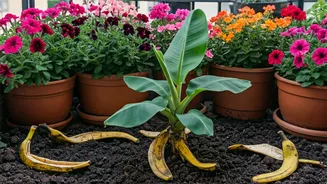
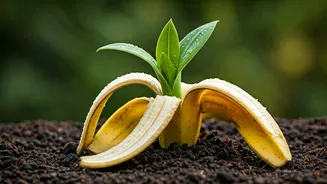
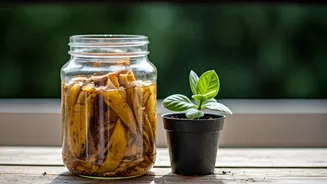
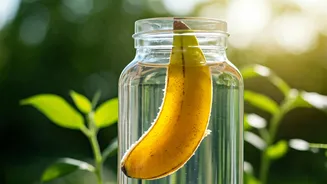
Not all fruit waters are created equal. For best results, focus on fruits known for their potassium content. Banana peels are the undisputed champion here. Simply soak a few peels in a jar of water for a day or two. Citrus peels (oranges, lemons) can also be used, as they add trace minerals and can slightly lower the soil's pH, which acid-loving plants like jasmine appreciate. However, use them in moderation. You can also use the water left after rinsing apples, guavas, or papayas. The key is to avoid overly sugary fruits or any fruit that is starting to mould. Your goal is to create a nutrient tea, not a sugary cocktail that will attract ants and other pests. Always use fresh peels and clean water.
The Perfect Potion: A Step-by-Step Guide
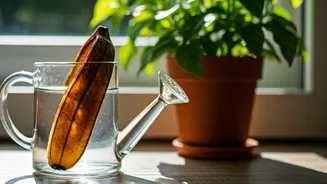
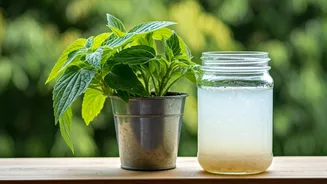
Creating your jasmine-boosting tonic is simple. Follow these steps for a safe and effective brew: 1. **Collect:** Gather your fruit scraps. Banana peels are ideal. Chop them into smaller pieces to increase the surface area for nutrient extraction. 2. **Soak:** Place the peels in a clean glass jar and cover them with water. A good ratio is one or two banana peels per litre of water. Seal the jar and leave it to soak for 24 to 48 hours at room temperature. 3. **Strain:** After soaking, the water will have turned a light brownish colour. Strain the liquid to remove all solid fruit pieces. This is a crucial step to prevent mould and pests in your pot's soil. 4. **Dilute:** This is the most important step. The headline says 'diluted' for a reason. The strained liquid is a concentrate. You must dilute it with an equal amount of plain water (a 1:1 ratio). This ensures the solution is gentle enough for your plant's delicate root system.
Application and Best Practices
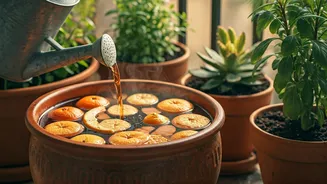
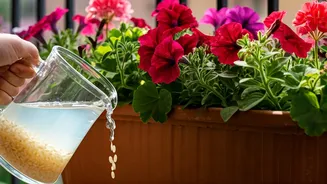
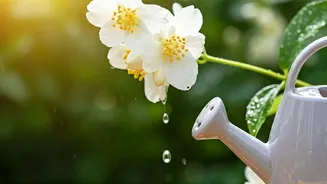
This homemade tonic should be considered a supplement, not a replacement for a balanced fertilizer. Think of it as a weekly vitamin boost rather than a complete meal. For best results, use this diluted fruit water to water your jasmine plant once every 7 to 10 days during its growing and flowering season. Pour the solution directly onto the soil, avoiding the leaves to prevent any potential fungal issues. It's best to apply it to soil that is already slightly moist, not bone dry, to help the roots absorb the nutrients more effectively. Watch your plant closely. If you see more vibrant leaves and an increase in buds, you're on the right track.
What to Watch Out For
While this is a gentle method, there are a few potential pitfalls. Using unstrained or undiluted water can introduce too much sugar into the soil, which can lead to fungal gnats, ants, or mould. Never use water from spoiled or rotting fruit. Also, be mindful of the smell; if your soaking water starts to smell foul or fermented, it's been left too long and should be discarded. This technique works best for container plants like Mogra or Chameli grown in pots on a balcony or terrace, where you have more control over the soil environment. It's a fantastic way to reduce kitchen waste and give your plants a little extra love, but moderation and observation are key to success.