


The Science of a Single Hair Strand
To understand why humidity causes such chaos, we first need to look at the structure of our hair. Each strand is primarily made of a protein called keratin. Its shape is held together by two types of bonds: strong, permanent disulfide bonds (which are
only broken by chemical treatments) and weaker, temporary hydrogen bonds. These hydrogen bonds are the key culprits. They break and reform every time your hair gets wet and then dries. This is what allows you to temporarily style your hair straight or curly. When you leave the house with a perfect blowout, you've set these hydrogen bonds into a smooth, uniform shape.
How Humidity Hijacks Your Hair
Humid air is saturated with water molecules. When your hair is exposed to this moisture, a battle for balance begins. Dry or damaged hair is especially thirsty and will try to absorb this moisture from the air. As water molecules from the humid air penetrate the hair shaft, they disrupt and reset those weak hydrogen bonds. This causes the hair strand to swell unevenly. The outer layer of your hair, called the cuticle, which looks like overlapping shingles, begins to lift and roughen. This process is magnified when your hair is already wet, as it's already in a swollen, vulnerable state, making it even more susceptible to the effects of airborne moisture as it tries to dry.
The Critical Role of Porosity
Not all hair reacts to humidity the same way, and the main reason is porosity. Porosity refers to your hair's ability to absorb and retain moisture, which is determined by how open or closed its cuticle layer is. High-porosity hair, which can be genetic or caused by heat and chemical damage, has a raised cuticle with gaps. It greedily soaks up moisture from the air, causing it to swell and frizz almost instantly. Low-porosity hair has a tightly sealed cuticle, so it resists absorbing atmospheric moisture. While this sounds good, it can also lead to products sitting on the surface, and if moisture does get in, it has trouble escaping.
Your Anti-Humidity Defensive Strategy
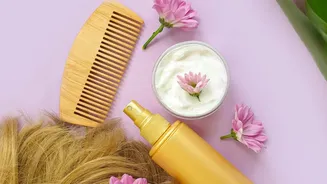
The goal in fighting humidity-induced frizz is to create a barrier. You need to seal the hair's cuticle to prevent excess moisture from getting in. The first step is ensuring your hair is well-hydrated from the start. Hair that is already moisturised is less likely to seek water from the atmosphere. Start your routine with a moisturising, sulfate-free shampoo and conditioner. Following up with a leave-in conditioner while your hair is still damp is a crucial step to lock in that initial hydration before humidity has a chance to interfere.
Sealing the Deal with Smart Products
After hydrating, you need to seal. This is where anti-frizz serums and oils come in. Products containing silicones (like dimethicone) are highly effective because they form a lightweight, water-repellent coating around the hair shaft, blocking out humidity. Natural oils like argan, coconut, and jojoba oil also work wonders by smoothing the cuticle and creating a protective barrier. Argan oil, in particular, is celebrated for its ability to add moisture and shine without weighing hair down. Applying a serum or oil to damp hair, especially from the mid-lengths to ends, is the most effective way to create a shield against the weather.
Styling Techniques for Smooth Results
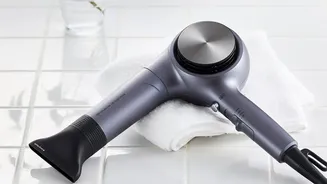
How you dry your hair matters immensely. Vigorously rubbing your hair with a standard cotton towel can rough up the cuticle and create immediate frizz. Instead, gently squeeze out excess water with a microfibre towel or an old t-shirt. When blow-drying, use a nozzle to direct the airflow down the hair shaft, which helps keep the cuticles flat. A final blast of cool air can help to seal the cuticle for a smoother finish. For those with curly hair, applying products and then letting your hair dry undisturbed (or with a diffuser) is key to preventing frizz and maintaining curl definition.