







From the Treadmill to the Squat Rack
There was a time when the most coveted real estate in an Indian gym was the row of treadmills facing the street. The goal for many was singular: burn calories and lose weight. Today, that focus is visibly changing. More and more fitness enthusiasts are
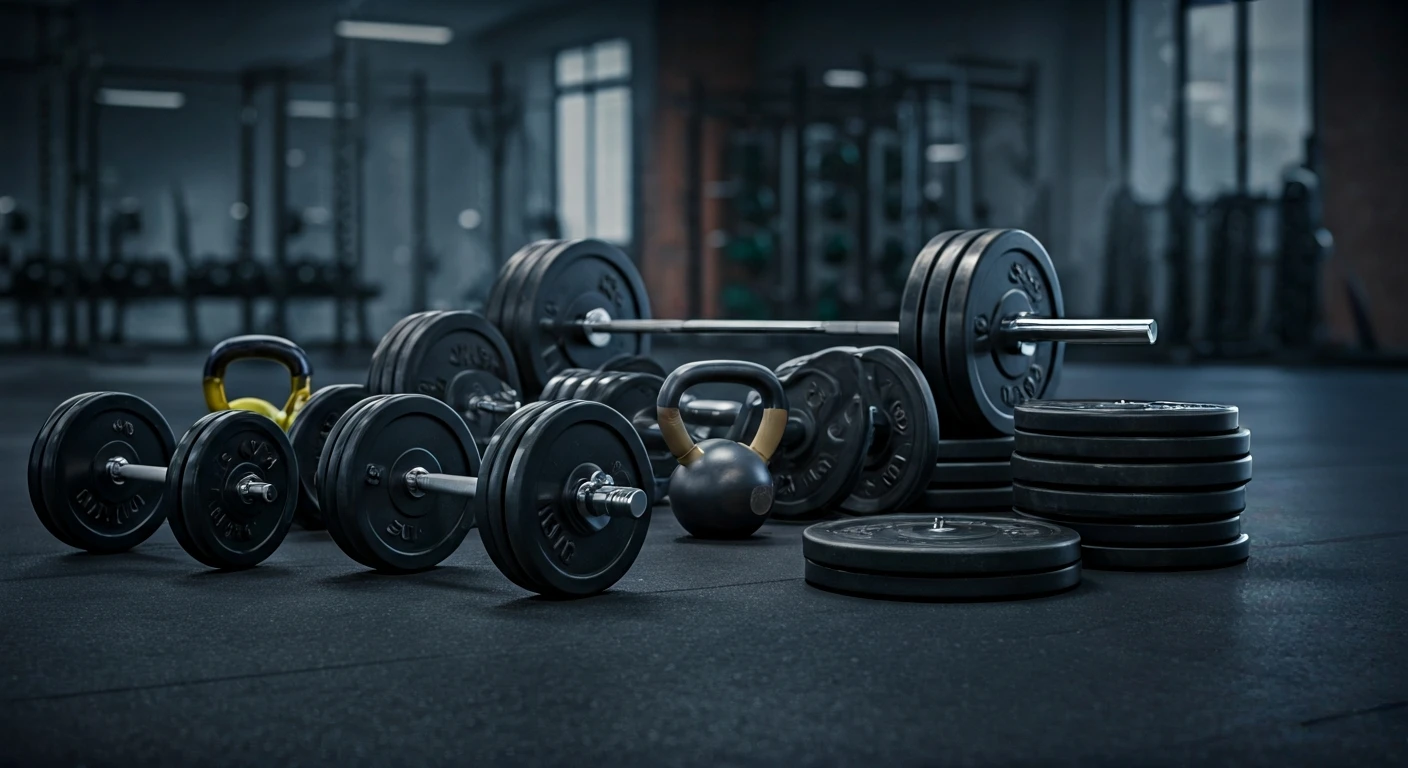
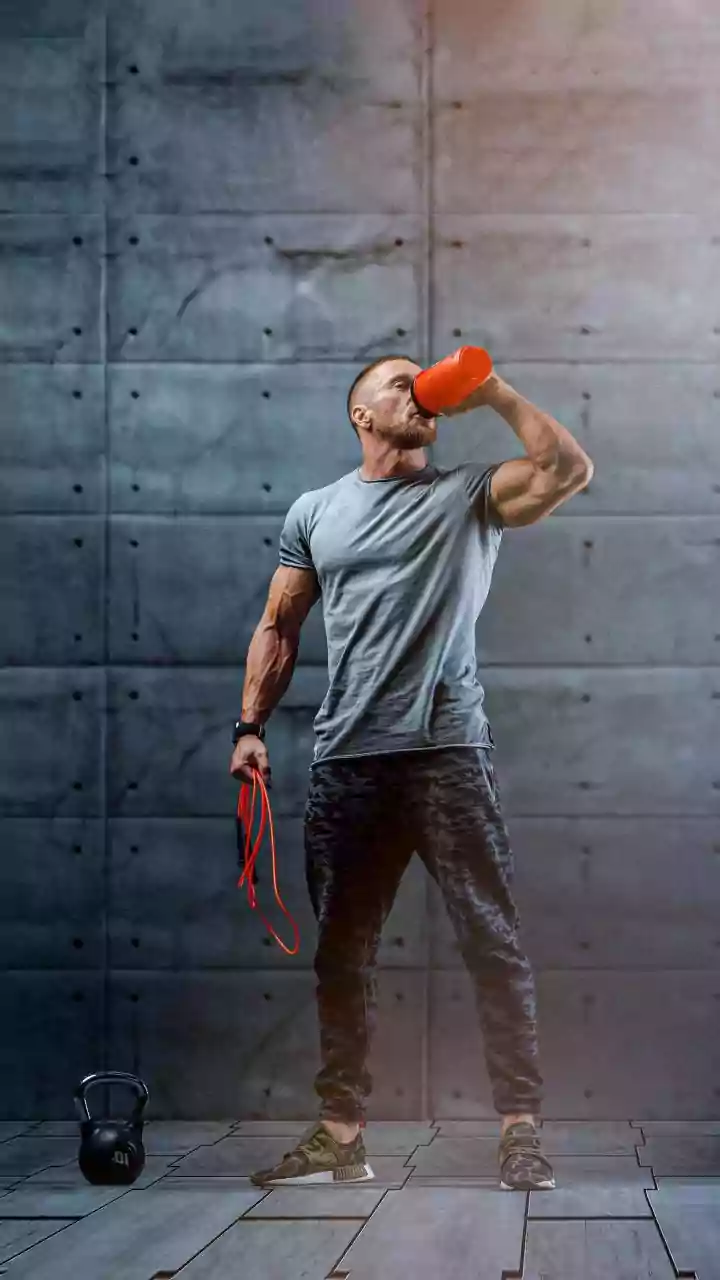
migrating to the weight-training floor, embracing barbells, dumbbells, and kettlebells. This isn't just about building bigger muscles; it's a fundamental shift in the definition of fitness itself, from an aesthetic goal of being “thin” to a functional goal of being “strong.” Experts note that even beginners are now encouraged to start with resistance training early in their fitness journey, a practice that would have been rare a decade ago. [8] This move reflects a deeper understanding that true wellness is built on a foundation of strength.
Why Now? A New Focus on Resilience
The post-pandemic era has accelerated a national conversation around health, immunity, and longevity. [9] There is a growing awareness that a strong body is a resilient one. This has prompted many to look beyond cardio and embrace strength training for its comprehensive benefits. [8] Building muscle is now seen as a long-term investment in health. [18] Strength training is highly effective at improving bone density, which is a critical concern, especially for women who are more prone to osteoporosis. [14, 5] It also helps manage metabolic conditions like type 2 diabetes by improving insulin sensitivity and can reduce chronic pain and the risk of injury. [4, 3] This new focus is less about short-term fixes and more about building a body that is capable and durable for life.
The Rise of the Female Lifter
Perhaps the most significant aspect of this trend is the enthusiastic participation of women. The long-standing myth that lifting weights makes women “bulky” is finally being dismantled. [17] Culturally, women were often discouraged from strength training, but that is changing rapidly. [14] Trainers across the country report a surge in female clients who are no longer focused solely on aesthetic goals but on getting stronger, mastering pull-ups, and increasing the weight on their barbells. [14, 15] This shift is driven by a desire for physical autonomy and empowerment. Strength training provides tangible goals and measurable progress, which many women find incredibly motivating. [8] It has been shown to boost self-esteem, improve mental health, and regulate hormones, offering benefits that go far beyond the physical. [2, 14]
Social Feeds and Fit-Spiration
The democratisation of fitness knowledge via social media has played a huge role. Instagram and YouTube are filled with Indian fitness influencers and certified coaches who break down complex exercises, offer nutritional advice, and debunk myths. This has made strength training more accessible and less intimidating. Seeing relatable people—not just elite bodybuilders—share their strength journeys has normalised lifting weights for the average person. Celebrity fitness transformations also contribute, but the real power lies in the community-driven content that shows the process, the struggles, and the triumphs, making it an aspirational yet achievable goal for millions.
Getting Started on Your Strength Journey
For those inspired to join the movement, the key is to start smart. You don't need to lift heavy from day one. In fact, you can begin with just your body weight to master fundamental movements like squats, push-ups, and lunges. [2] Many experts recommend hiring a certified trainer for the first few months to learn correct form and prevent injury. The principle of “progressive overload”—gradually increasing the weight, reps, or sets over time—is the foundation of building strength. Consistency is more important than intensity, especially in the beginning. Three dedicated sessions a week can lead to significant improvements in strength, body composition, and overall well-being. [17]