



What Exactly Is a Clay Wash?
Let’s clear one thing up: this isn’t just brown paint. A terracotta clay wash is a natural, liquid wall finish made primarily from clay, pigments, and other minerals. Unlike acrylic or latex paints that form a synthetic film on your walls, a clay wash penetrates
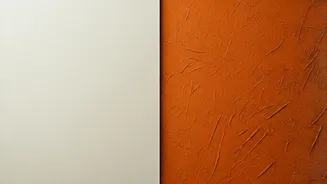
the surface, bonding with it to create a finish that is part of the wall itself. Think of it as a cousin to traditional lime wash (chuna), but with the distinct, warm character of terracotta. The result is a soft, matte, and subtly textured surface that feels organic and deeply calming. It’s a move away from mass-produced uniformity and a step towards a wabi-sabi aesthetic—finding beauty in imperfection and natural materials.
The 'Breathable' Superpower
The word 'breathable' is the key differentiator here. Standard paints and vinyl wallpapers essentially seal your walls under a layer of plastic, trapping moisture. In India’s humid climates, this can lead to problems like mould, mildew, and peeling. Clay, on the other hand, is vapour-permeable. This means it allows moisture to pass through it, helping to regulate humidity in a room naturally. A breathable wall can absorb excess moisture when the air is damp and release it back when the air is dry. This not only discourages mould growth but also contributes to better indoor air quality. For a country where we battle monsoon humidity and blistering summer heat, having walls that work with the climate instead of against it is a game-changer.
An Earthy, Evolving Aesthetic
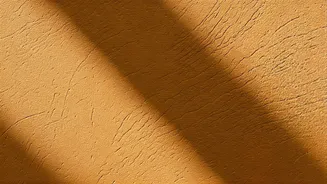
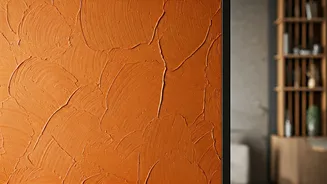
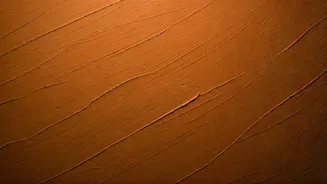
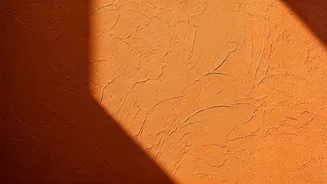
Wallpaper offers patterns, but a clay wash offers something else: depth. The application process, typically done with a brush in sweeping, overlapping strokes, creates subtle variations in tone and texture. The way light hits the wall changes throughout the day, highlighting different nuances in the finish. This is not a flat, static colour. It’s a living surface with a story. The earthy, muted tones of terracotta—from pale blush to deep burnt umber—evoke a connection to nature and tradition. In the Indian context, it’s a modern interpretation of the familiar ‘mitti’ wall, bringing a piece of our architectural heritage into contemporary urban homes. It feels both grounded and sophisticated.
Clay Wash vs. Wallpaper
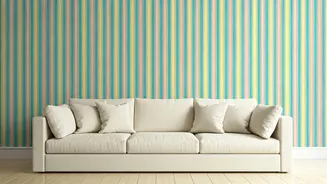
So, should you really 'ditch' wallpaper? It depends on your priorities. If you love intricate, repeating patterns or want a quick, temporary change, wallpaper still has its place. However, a clay wash wins on several other fronts. Durability & Longevity: Unlike wallpaper that can tear, bubble, or peel at the seams, a clay wash is incredibly durable. It won’t fade in the sun and minor scuffs often add to its character rather than detracting from it. Touch-ups are also simpler, blending seamlessly into the existing finish. Eco-Friendliness: Most clay washes are zero-VOC (Volatile Organic Compounds), meaning they don’t release harmful chemicals into the air. They are a much healthier choice for your home and the environment compared to many synthetic paints and vinyl-coated wallpapers. Uniqueness: While you might find your chosen wallpaper in a friend's home, a hand-applied clay wash is always one-of-a-kind. The final look is a collaboration between the material, the artisan, and the wall itself.
Application and Practicalities
Applying a clay wash is more of an art than a science, so hiring a professional who has experience with natural finishes is highly recommended for a flawless result on a large accent wall. While DIY kits are available, achieving that signature cloudy, textured look requires a specific technique. It's generally applied over a prepared primer or an existing matte surface. In terms of cost, the initial outlay for materials and skilled labour can be higher than for a standard paint job, but it is often comparable to or less than high-end designer wallpaper. For maintenance, a simple dusting or gentle wipe with a damp cloth is usually all that’s needed. The natural, anti-static properties of clay even help repel dust.