




Prepare Your Photography Gear
Before you even start the engine, protecting your equipment is paramount. The Agumbe region receives incredibly heavy rainfall, and water is the enemy of electronics. Invest in a good quality rain cover or a dedicated waterproof camera bag. Even a simple
plastic bag secured with a rubber band can work in a pinch. A lens hood is essential to prevent raindrops from spotting your lens, and keeping a microfibre cloth handy for quick wipes is a must. Also, pack a few silica gel packets in your bag; they absorb excess moisture and can be a lifesaver for your gear after a day in the damp climate.
Mastering Monsoon Light and Settings
Rainy days mean soft, diffused light, which can be beautiful for photos but tricky for your camera's auto modes. Switch to manual focus, as cameras often struggle to find a focal point in the rain. To capture the rain itself, your shutter speed is key. A faster speed (like 1/500s or higher) will freeze individual droplets, while a slower speed (around 1/125s) will render them as artistic streaks. Because of the low light, you'll likely need a wider aperture (like f/4 or f/8) and a slightly higher ISO to get a proper exposure without making your images too dark. Don't be afraid to use exposure compensation if your photos look darker or brighter than the actual scene.
Shooting from a Moving Car
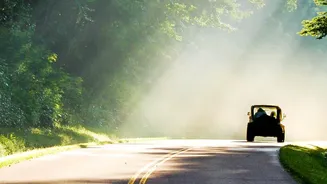
Some of the most atmospheric shots can be taken from inside your vehicle. For a clear shot, roll the window down just long enough to take the picture. If it's raining too heavily, shoot through the glass. Focus on the raindrops on the window to create a blurry, impressionistic view of the green landscape outside. Reflections on the wet roads can also make for compelling compositions, especially with the headlights of oncoming traffic. Remember to be a passenger when you’re taking photos; if you’re driving, your focus must remain on the slippery ghat roads.
Iconic Stops Along the Bangalore-Agumbe Route
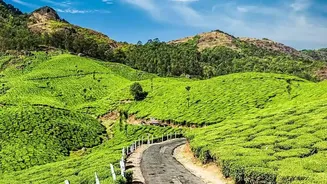
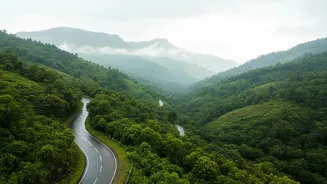
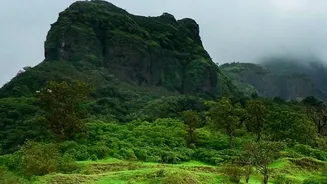
The 350-kilometre drive is dotted with scenic opportunities long before you reach Agumbe. The route via Hassan, Belur, and Thirthahalli offers incredible views of the Malnad region. The stretch from Shimoga to Thirthahalli, which runs alongside the Tunga river, is a paradise of tree-lined roads. Consider a brief stop at Kundadri Hill, a peak with a historic Jain temple that offers divine, misty views of the Western Ghats. The roads here are narrow and winding, with the Agumbe Ghat itself featuring 13 hairpin bends, so drive cautiously and patiently.
Capturing the Essence of Agumbe
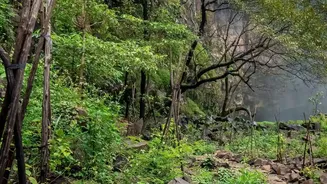
Once you arrive, Agumbe is a treasure trove for photographers. It is home to stunning waterfalls like Barkana Falls, Jogi Gundi Falls, and Onake Abbi Falls, which are at their most powerful during the monsoon. However, be aware that access to some falls may be restricted during peak rains for safety reasons. Explore the dense rainforests, looking for macro details like water droplets on leaves or the vibrant local wildlife. The famous Sunset Point is a short walk from the main town and offers breathtaking panoramic views, especially when the clouds part to reveal the valley below.