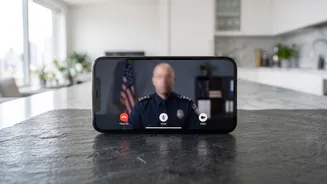






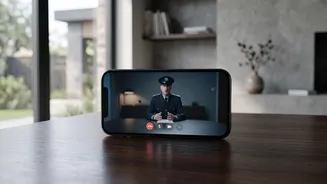

A terrifying call from someone claiming to be from the CBI. They say a parcel in your name contained illegal items and you are under investigation. This is how the 'digital arrest' scam begins, a new wave of fraud turning fear into financial loss.
What Is 'Digital Arrest' Fraud?
A 'digital
arrest' is a sophisticated scam where fraudsters impersonate law enforcement officials from agencies like the police, CBI, or Enforcement Directorate. They contact victims, usually via phone or video call, and create a false narrative that the victim is implicated in a serious crime, such as money laundering or drug trafficking. The term 'digital arrest' itself is a fabrication; no provision in Indian law allows for a person to be arrested or detained via a video or phone call. The entire setup is designed to induce panic and psychologically manipulate the target into transferring large sums of money to resolve the fabricated case.
The Anatomy of the Scam
The fraud unfolds in carefully planned stages. It often starts with a call alleging that the victim's Aadhaar number or bank account has been compromised or linked to a crime. The initial caller then transfers the line to a 'senior officer', who escalates the threat. Scammers use technology to their advantage, making calls on platforms like Skype or WhatsApp, often against a backdrop designed to look like a real police station. They present fake IDs, forged FIRs, and official-looking documents to build credibility. The core of the scam is isolation; victims are ordered not to speak to anyone and are often kept on a continuous video call for hours, or even days, under the guise of being under surveillance. Under this immense pressure, they are directed to transfer money into specified accounts for 'verification' or as a 'security deposit', with the false promise that the funds will be returned once they are cleared of wrongdoing.
The Psychology of Fear and Urgency
This scam is effective because it hijacks a person's logical thinking by weaponizing fear and a natural respect for authority. Fraudsters create an intense sense of urgency, claiming that immediate action is required to avoid public disgrace or imprisonment. By forbidding the victim from talking to family or friends, the scammers prevent them from getting a reality check. This isolation makes the victim completely dependent on the scammer for information and guidance. The psychological pressure is immense, causing even educated and cautious individuals to comply with demands they would otherwise question. The threat of legal trouble and reputational damage is a powerful motivator that scammers expertly exploit.
Red Flags: How to Spot an Impersonator
Recognising a digital arrest scam is the first step toward protecting yourself. The biggest red flag is any demand for money. Legitimate law enforcement agencies will never ask for payment over the phone or online to clear your name or avoid arrest. Be suspicious of anyone who initiates contact about a serious crime via WhatsApp or Skype. Other warning signs include pressure to maintain secrecy, threats of immediate arrest if you hang up, and refusal to let you verify their identity through official channels. Remember, official communication for legal matters follows a strict, documented procedure; it does not happen through an unsolicited video call.
What to Do If You Are Targeted
If you receive such a call, the most important thing to do is stay calm and hang up. Do not engage with the caller or transfer any money. Under no circumstances should you share personal details like your Aadhaar number, bank account information, or OTPs. After disconnecting, immediately report the incident. You should call the National Cyber Crime Helpline number 1930 and file a formal complaint on the National Cyber Crime Reporting Portal (cybercrime.gov.in). Informing your bank is also a crucial step to safeguard your accounts. It's also wise to tell a trusted friend or family member about the call; breaking the isolation scammers try to create is key to breaking their spell.