



The Off-Season Is the New In-Season
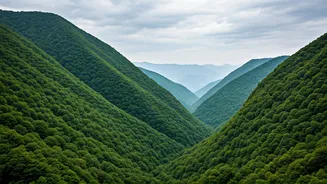
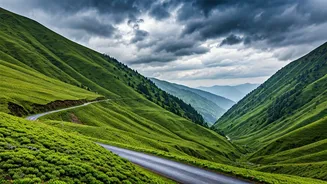
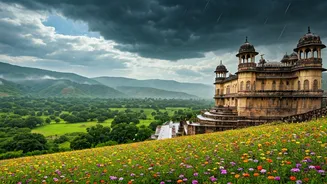
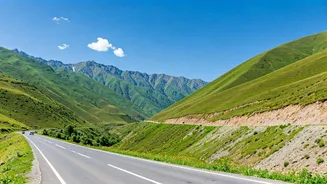
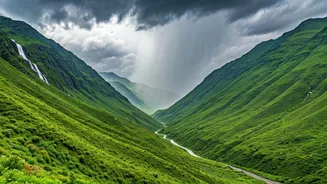
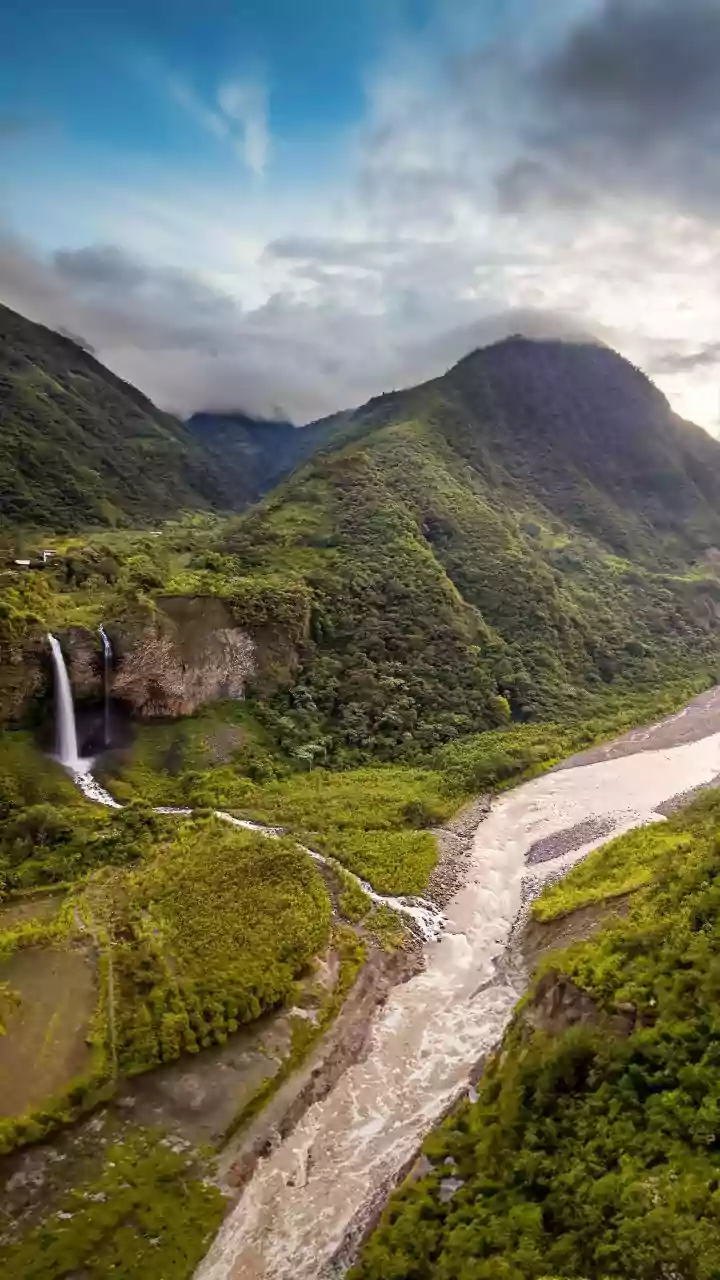
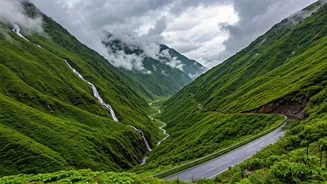
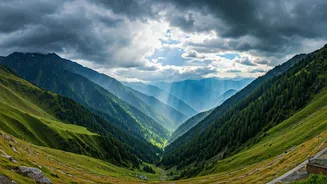
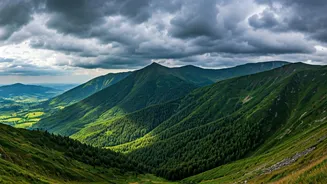
The perception of monsoon in the mountains is changing dramatically. Traditionally seen as a period of slush and shutdowns, July and August are now being rebranded by both travellers and the tourism industry as a season of unique beauty and opportunity.
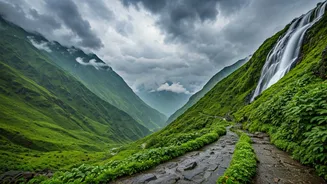
A key driver of this trend is the desire to escape the scorching heat of the plains and find respite in the cool, misty climes of the Himalayas. According to recent travel data, there's a clear move away from rigidly planned holidays, with many people opting for spontaneous trips to the mountains. Zostel, a popular chain of hostels, reported that bookings for its properties in Shimla jumped by 76% in June compared to the previous year, with a staggering 48% of these bookings made just three days before travel. [19] This spontaneity is fuelled by a search for less crowded, more authentic experiences. Travellers are increasingly drawn to the lush, rain-washed landscapes, swollen waterfalls, and the tranquil atmosphere that the monsoon brings. [6, 7]
Where the Clouds Descend: Key Hotspots
Uttarakhand and Himachal Pradesh are at the epicentre of this monsoon boom. In Uttarakhand, destinations like Mussoorie, Nainital, and Rishikesh are seeing a surge in interest. [14] Mussoorie, with its misty hills and colonial charm, becomes particularly magical, while the lakes of Nainital take on a serene beauty. [4, 6] The Valley of Flowers National Park, a UNESCO World Heritage Site, is a prime example of a destination that is at its absolute best during the monsoon, as countless species of wildflowers burst into bloom. [5, 6, 12] In Himachal Pradesh, established favourites like Shimla and Manali are experiencing significant visitor numbers. [19] Beyond these, travellers are also exploring lesser-known hamlets like Tirthan Valley, Dobhi, and Rajgundha, drawn by social media buzz and the promise of untouched nature. [19, 23] Even the high-altitude desert of Spiti Valley, which lies in a rain-shadow area and receives minimal rainfall, is becoming a popular choice for those wanting to experience the dramatic monsoon skies without the downpour. [7, 16]
More Than Just a View
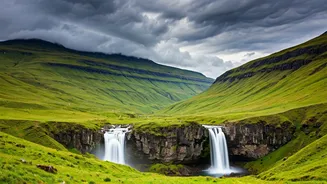
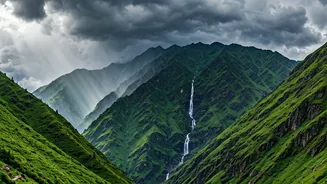
The appeal of a monsoon vacation goes far beyond sitting by a window with a cup of tea. The season offers a unique set of activities for the adventurous and the contemplative alike. In Uttarakhand, gentle treks to places like Nag Tibba or Chopta offer stunning views of emerald-green meadows. [12] The roaring waterfalls, such as Kempty Falls in Mussoorie, are at their most spectacular. [4, 6] For those seeking cultural immersion, the monsoon coincides with local festivals like Harela, which celebrates the new harvest. [12] In Himachal, while many high-risk adventure sports are suspended, there are still opportunities for monsoon trekking on safer trails like the one to Bhrigu Lake or through the Pin Valley. [15] Enjoying walks along misty paths like Mussoorie's Camel's Back Road or exploring the cosy cafes of Landour are becoming quintessential monsoon experiences. [4] This shift is part of a larger trend where travellers prioritise unique, experience-led journeys over conventional sightseeing. [14]
The Economic Downpour
This newfound popularity is providing a significant economic boost to regions that previously faced a lean period for several months. Hotel occupancy in popular hill stations like Shimla and Manali is now hovering between 70-80% even as the monsoon sets in. [22] To capitalise on this trend and smooth out the seasonality of their business, many hotel chains and state tourism boards are actively promoting monsoon travel. Major brands like Marriott and government bodies like the Himachal Pradesh Tourism Development Corporation (HPTDC) have been offering significant discounts and special packages to attract visitors during these months. [20, 21, 25] This influx of tourists supports not just hotels but also local businesses, from cafes and shops to taxi drivers, creating a more stable, year-round tourism economy. [22, 24] The growth is not just from major metro areas; travellers from Tier 2 and Tier 3 cities are increasingly planning mountain getaways, broadening the market significantly. [19, 23]
A Note of Caution
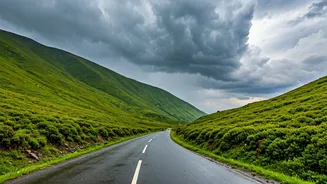
While the romance of a rainy mountain holiday is undeniable, it's crucial to approach it with caution. The monsoon season in the Himalayas brings with it the very real risk of landslides, road blockages, and flash floods. [28, 31] Heavy rainfall can make travel unpredictable, and it's essential for tourists to stay informed about weather forecasts and local conditions. [28] High-altitude treks and pilgrimage routes to places like Kedarnath and Badrinath carry more risk and should only be attempted with careful planning and expert guidance. [5, 8] Choosing accessible and well-connected destinations like Mussoorie, Shimla, or Nainital can be a safer bet for a relaxed holiday. [5, 6] Ultimately, a successful monsoon trip depends on flexible itineraries and a healthy respect for the power of nature. [28]