




The Freedom of 'Visa-Free'
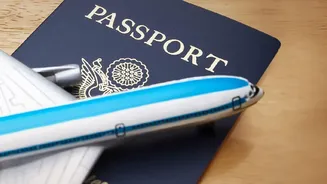
For generations of Indian travellers, the first hurdle to any international trip was the tedious visa process. But that barrier is rapidly disappearing. Countries like Thailand, Malaysia, and Sri Lanka have rolled out visa-free or visa-on-arrival policies
for Indian passport holders, completely changing the game. This shift eliminates weeks of paperwork and uncertainty, making a spontaneous trip over a long weekend not just possible, but easy. The psychological impact is huge; travel feels more accessible and immediate. Instead of planning months in advance, a young professional can see a good flight deal on a Tuesday and be on a beach in Phuket by Friday. This ease of access is a significant driver, turning what was once a bureaucratic challenge into a simple booking process.
Maximum Experience, Minimum Spend
Southeast Asia has long been known for its affordability, and this remains a primary attraction. A five-day trip to Thailand can cost between ₹35,000 and ₹65,000, including flights, accommodation, and daily expenses. A similar trip to Malaysia can range from ₹35,000 to ₹60,000 on a budget. For young Indians earning their own money, these figures make international travel a repeatable luxury rather than a once-in-a-lifetime expense. The favourable currency exchange means that everything from street food and local transport to boutique hotels and unique experiences feels incredibly value-for-money compared to destinations in Europe or North America. This affordability allows them to travel more frequently, opting for several short trips a year instead of one big, expensive annual holiday.
Fuelled by the Social Feed
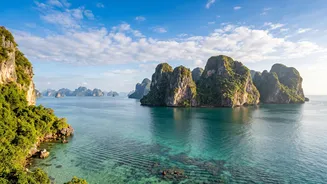
Today, travel inspiration is curated and consumed on social media. Platforms like Instagram and YouTube are powerful drivers in destination selection for young Indians. Studies show that over 70% of Gen Z and Millennial travellers have booked trips based on content they saw online. Southeast Asia, with its stunning beaches, vibrant street life, and photogenic cafes, is perfectly suited for the visual world of social media. The desire to capture that perfect shot at Maya Bay or in front of the Petronas Towers is a real motivator. Influencers and user-generated content create a powerful sense of FOMO (fear of missing out) and provide a ready-made blueprint for what to see, do, and eat, making the trip feel both aspirational and easily achievable.
The Rise of the Mini-Break
The way young Indians approach work and leisure is fundamentally changing. The traditional concept of saving up all your leave for one long holiday is fading. Instead, many are embracing the 'mini-break'—short, frequent vacations designed to recharge and prevent burnout. A five-day trip is perfect for this; it often requires taking just three days off work when planned around a weekend. The short flight times to destinations in Southeast Asia, typically between four to six hours from major Indian cities, are a crucial factor. This allows travellers to maximise their time on the ground without losing entire days to jet lag and long-haul travel, making it an efficient way to escape and explore.
A Taste of Something New
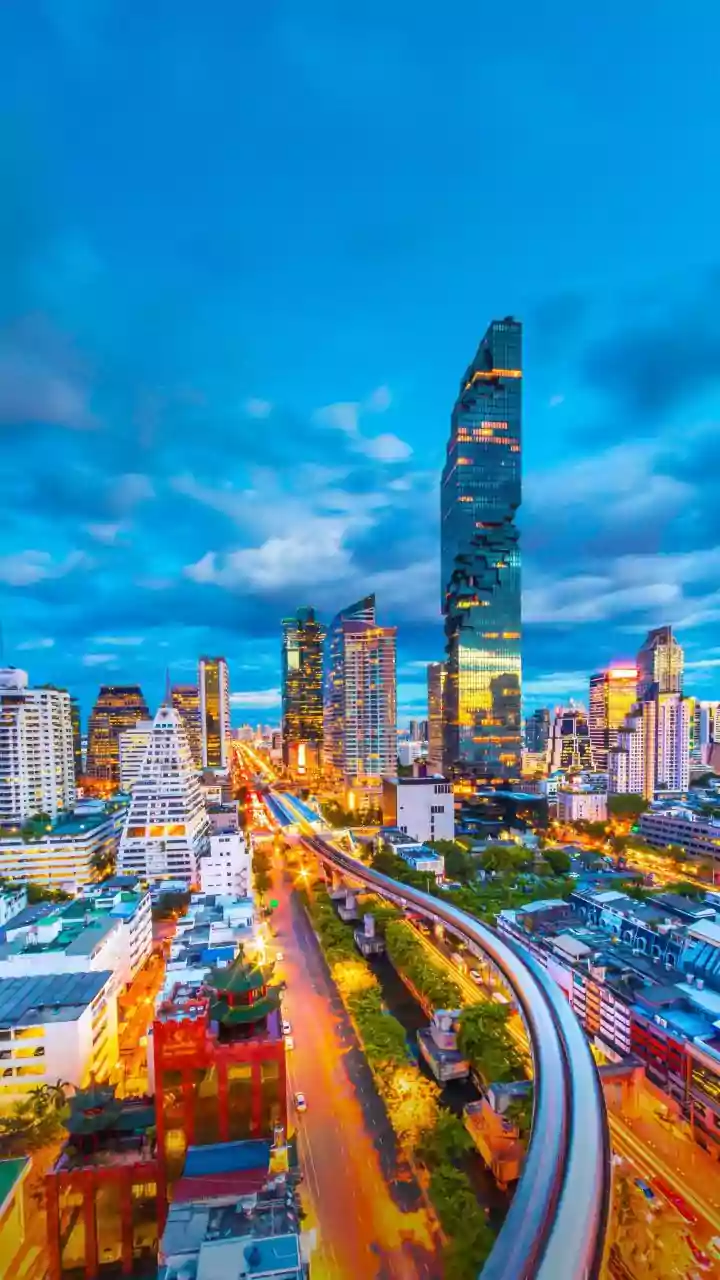
Beyond the practicalities of cost and convenience, these trips are driven by a genuine desire for new experiences. For many young professionals, it's their first taste of international travel and cultural immersion. Southeast Asia offers a diverse playground of new foods, languages, and lifestyles just a short flight away. From exploring the historic temples of Cambodia to diving in the clear waters of the Philippines or navigating the bustling markets of Bangkok, the region provides a sensory overload that feels a world away from home. This quest for adventure and new cultural encounters is a top driver for young Indian travellers, who are increasingly prioritising memories and experiences over material possessions.