







The Corporate Stress Cycle
In today's fast-paced corporate world, stress is often worn as a badge of honour. Long hours, high stakes, and the 'always-on' culture contribute to a state of chronic activation. This constant pressure triggers the body's sympathetic nervous system,
our 'fight-or-flight' response. While useful for genuine emergencies, its prolonged activation leads to increased heart rate, shallow breathing, and a surge in stress hormones like cortisol. Over time, this can manifest as burnout, anxiety, poor concentration, and even physical ailments like high blood pressure. The challenge is to find a sustainable way to switch off this response and activate the body's natural state of rest and recovery, even during a hectic workday.
Pranayama: The Ancient Science of Breath Control
Pranayama, a core component of yogic practice, is the conscious regulation of breath. The word itself comes from Sanskrit: 'prana' meaning life force energy, and 'ayama' meaning to extend or control. The core idea is that by consciously altering our breathing patterns, we can influence our physiological and mental states. Modern science validates this ancient wisdom, showing that specific breathing techniques can directly influence the autonomic nervous system. By moving from the shallow, rapid breathing typical of stress to a slower, deeper pattern, we can shift from a state of high alert to one of calm and focus.
The Science of a Deep Breath: Activating Your 'Rest and Digest' System
The key to pranayama's effectiveness lies in its ability to stimulate the vagus nerve, a primary component of the parasympathetic nervous system (PNS)—our 'rest and digest' mode. When you breathe deeply and slowly, particularly with a longer exhalation, you activate the PNS. This activation sends calming signals throughout your body, leading to a lower heart rate, reduced blood pressure, and decreased cortisol levels. Studies have shown that even short sessions of slow-paced breathing can reduce feelings of anxiety and depression, increase feelings of relaxation, and even improve cognitive performance and focus. You are essentially using your breath as a remote control for your nervous system.
A Simple Technique: Three-Part Breath (Dirgha Pranayama)
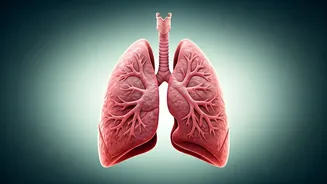
One of the most accessible and effective forms of extended deep breathing is Dirgha Pranayama, or the Three-Part Breath. It can be done while sitting at your desk or lying down. **Step 1: Prepare** Sit comfortably with a straight spine or lie on your back. Close your eyes and place one hand on your belly and the other on your chest to feel the movement of your breath. Take a moment to notice your natural breathing without changing it. **Step 2: Breathe into the Belly** Inhale slowly through your nose, directing the breath deep into your belly. Feel your lower hand rise as your abdomen expands. Exhale completely, feeling the belly fall and drawing your navel gently toward your spine to empty the lungs. Repeat for 3-5 breaths. **Step 3: Add the Rib Cage** On your next inhale, first fill the belly, then continue the inhalation to allow the breath to expand your rib cage outward to the sides. As you exhale, release the air from the rib cage first, then from the belly. Repeat this for another 3-5 breaths. **Step 4: Complete the Three Parts** Now, inhale to fill the belly and the rib cage, and then continue sipping in a little more air to fill your upper chest, feeling your collarbones rise slightly. Exhale in reverse order: release the breath from the upper chest, then the ribs, and finally, completely empty the belly. This completes one full, three-part breath. Continue this smooth, wave-like motion for 3 to 5 minutes.
Integrating Pranayama into Your Workday
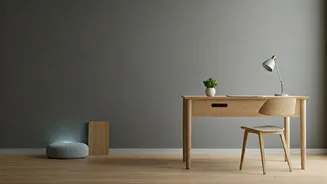
The beauty of pranayama is its accessibility. You don't need special equipment or a dedicated hour. You can practice it right at your desk. * **Before a Big Meeting:** Take five three-part breaths to calm your nerves and clear your mind. * **During a Tough Task:** If you feel overwhelmed or distracted, pause for two minutes of deep breathing to reset your focus. * **Lunch Break Reset:** Instead of scrolling through your phone, dedicate the first five minutes of your lunch break to quiet breathing. It can be more restorative than you think. * **Transition from Work to Home:** Use your commute (if you're not driving) or the first few moments after you walk in the door to practice and mentally disconnect from the stresses of the day. Setting a recurring calendar reminder can help build this practice into a consistent habit. Even these small, consistent efforts can significantly improve your resilience to workplace stress.