






The End of a Monumental Era
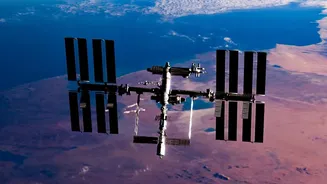
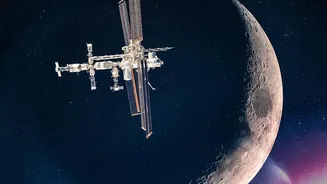
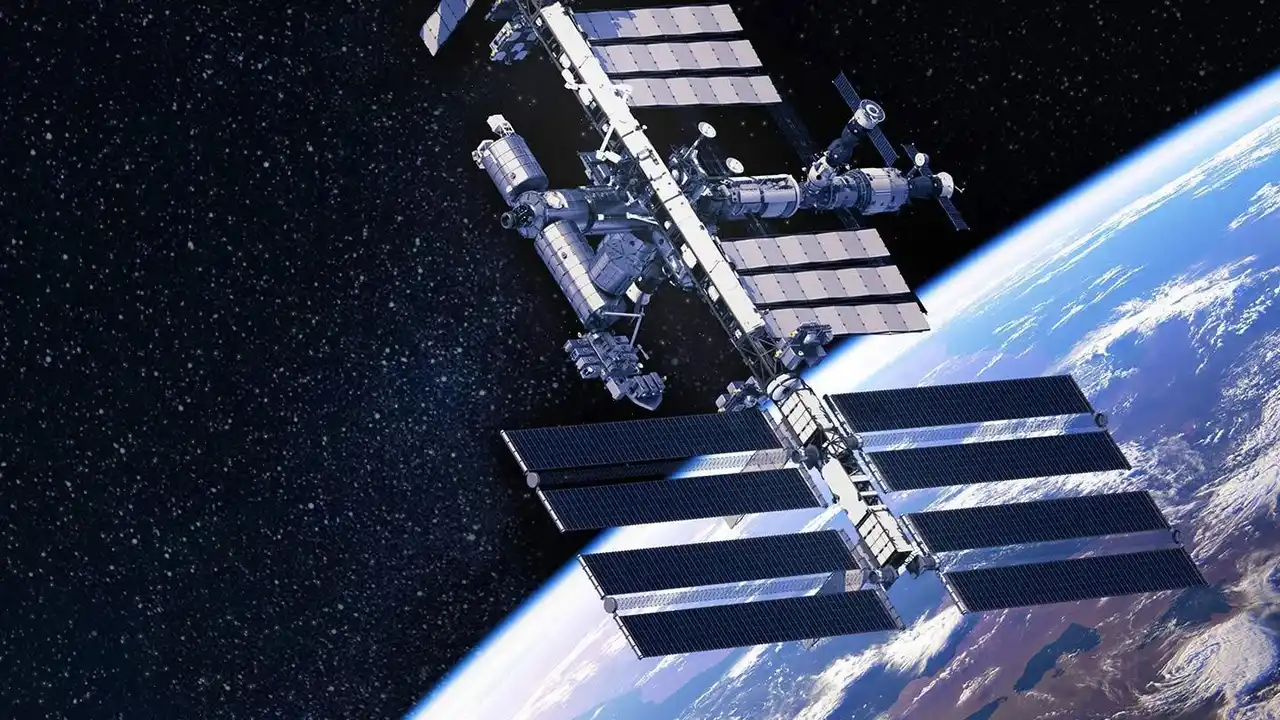
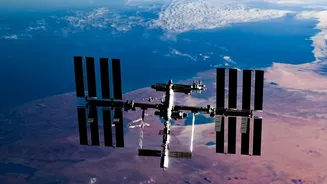
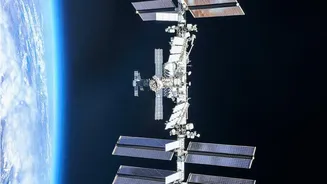
For more than 25 years, the International Space Station has been humanity's home in low-Earth orbit (LEO), a sprawling laboratory that has hosted astronauts from numerous countries and produced countless scientific breakthroughs. But like all great feats
of engineering, it has a finite lifespan. Citing age, rising operational costs, and a strategic shift towards deep-space missions like Artemis, NASA plans to guide the 430-tonne structure to a controlled and fiery end over a remote part of the Pacific Ocean around 2031. This planned retirement marks the end of one chapter in space exploration and the urgent beginning of another, one that will be defined by private enterprise.
NASA's New Role: From Owner to Customer
Instead of building a new government-owned station, NASA is turning to the private sector. Through its Commercial Low-Earth Orbit Destinations (CLD) program, the agency is funding several companies to develop their own space stations. The strategy is twofold: to ensure there is no gap in American presence in LEO and to transition NASA from being an owner-operator to one of many customers. By leasing space for its astronauts and research, NASA aims to save billions, which can be redirected to its ambitious goals of returning to the Moon and eventually venturing to Mars. However, this transition has seen some strategic shifts, with NASA adjusting its approach to best support the burgeoning industry and ensure a successor is ready in time.
Axiom Space: The First Mover
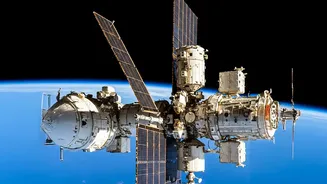
Leading the pack is Axiom Space, which has a unique approach. The company is building modules that will first attach to the International Space Station itself. The first module is scheduled to launch in the late 2020s. This allows Axiom to test its hardware in the real-world environment of space while the ISS is still operational. Once the ISS is retired, Axiom's modules will detach and form the core of the free-flying Axiom Station. The company has already conducted private astronaut missions to the ISS, building both revenue and operational experience as it prepares to operate its own independent outpost for research, manufacturing, and space tourism.
The Contenders: Orbital Reef and Starlab
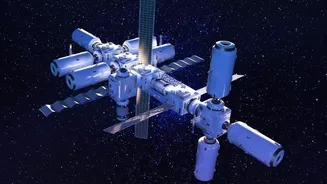
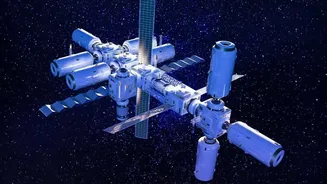
Two other major players are developing ambitious concepts. Orbital Reef, a joint venture by Blue Origin and Sierra Space, is envisioned as a 'mixed-use business park' in space. The project aims to offer services to a wide range of clients, including researchers, industrial companies, and space tourists. It will leverage Sierra Space’s Dream Chaser, a runway-landing spaceplane, for crew and cargo transport.Meanwhile, Starlab is a venture from Voyager Space and its global partners, including Airbus. Their design features a large, single-launch inflatable habitat that could provide a significant amount of pressurized volume from the start. Starlab is positioning itself as a premier destination for science and research, building on partner Nanoracks' extensive experience in managing experiments on the ISS.
The Race Against Time and Risk
The transition to commercial space stations is not without significant challenges. The timelines are incredibly tight, with a real risk of a 'space station gap' if private habitats are not operational before the ISS is deorbited. Such a gap could cede leadership in LEO to other nations and disrupt decades of continuous scientific research. Furthermore, the business model for these commercial stations is still unproven. While NASA will be a crucial anchor tenant, the long-term sustainability of these ventures depends on their ability to attract a diverse and robust market of private customers willing to pay for access to space. Funding, technical hurdles, and generating sufficient commercial demand are the key obstacles these pioneers must overcome in the next few years.