






From Secret Snack to Social Event
Not long ago, a late-night craving was a private affair. It was the silent opening of a refrigerator, the rustle of a chip packet you hoped no one else would hear. Today, that experience has been completely transformed. Thanks to smartphones and the social
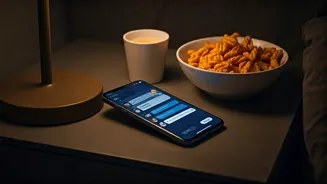
fabric they weave, the midnight munch has become a communal activity. What started as a solitary urge is now a broadcasted query: “Biryani or pizza? Vote now.” Friends, flatmates, and partners coordinate orders across rooms, and photos of the final feast are shared online, turning a simple snack into a shared digital experience. This shift reflects a broader change in how we live, where technology has blurred the lines between private moments and public conversations.
The Midnight Menu
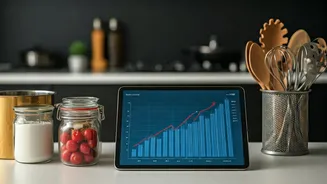
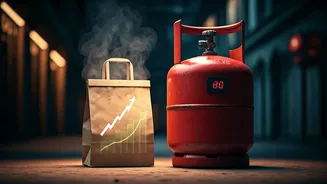
So, what is everyone ordering in the dead of night? Recent data shows a clear pattern in India's after-hours appetite. Pizzas and burgers are consistent top contenders, especially in major metro areas like Bengaluru, Hyderabad, and Mumbai. These items are shareable, satisfying, and travel well. Chicken biryani is another heavyweight champion of the late-night scene. Beyond these classics, there's a growing demand for everything from instant noodles and momos to indulgent desserts like choco-lava cakes. Sporting events, such as the ongoing FIFA World Cup, can cause demand for snacks like ice cream and frozen treats to spike by as much as 40 percent. This surge isn’t just happening in big cities; tier-2 and tier-3 markets like Surat, Patna, and Thiruvananthapuram are also seeing a significant rise in late-night orders.
The Science of the Urge
This collective craving isn't just in our heads; it's rooted in our biology and psychology. Our internal body clock, or circadian rhythm, can naturally increase hunger in the evenings. When you add modern-day stressors, this urge intensifies. Stress, boredom, and emotional exhaustion can trigger cravings for high-calorie comfort foods that provide a quick hit of dopamine, a feel-good chemical in the brain. At night, when daily distractions fade, these emotional triggers can feel more potent. Furthermore, if you've been skipping meals or not eating enough during the day, your body may try to compensate for the calorie deficit at night, leading to intense hunger pangs that feel impossible to ignore.
The Delivery Revolution
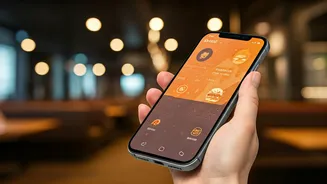
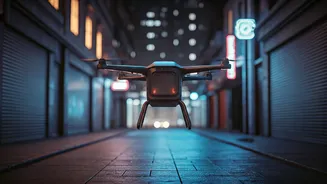
This entire cultural phenomenon is enabled by a robust ecosystem of food delivery and quick-commerce platforms. Companies like Swiggy, Zomato, and Domino's have extended their delivery hours, with many now operating until 3 a.m. in major cities. Quick-commerce apps such as Blinkit and Zepto have also become crucial, facilitating the delivery of everything from packaged ice cream to instant snacks in minutes, with some of their dark stores operating 24/7. This accessibility has fundamentally altered behaviour. The question is no longer “What’s in the kitchen?” but rather “What’s available to order?” The convenience of having a hot meal delivered to your doorstep at any hour has made late-night ordering a routine, rather than a rare exception.
The Digital Campfire
Ultimately, the headline says it all: the craving has entered the group chat. This isn't just about food; it's about connection. In an era of hybrid work and digital friendships, these shared late-night orders have become a new kind of social ritual. It’s a way to bond with flatmates without leaving your room, a way to feel connected to friends across the city, and a way to participate in a collective experience. Food bloggers and influencers amplify this, turning a local food stall or a new dish into a viral sensation overnight. Restaurants, in turn, are designing dishes specifically for their visual appeal on social media. The late-night meal is no longer just about satisfying hunger. It’s content. It’s community. It's the modern-day equivalent of gathering around a campfire, sharing stories and food—only now, the fire is the glow of our phone screens.