




A Surprising New Niche
Scroll through YouTube or Instagram, and you’ll find a landscape saturated with fitness influencers promising six-pack abs and gruelling workout challenges. But look closer, and a different, gentler trend is emerging. Young, tech-savvy creators are building
communities around a demographic often overlooked by the mainstream fitness industry: senior citizens. The theme of ‘healthy ageing’ has moved from a niche concept to a source of inspiration, leading to a rise in channels dedicated to yoga for older adults. This isn't just about adapting a few poses; it's a fundamental shift in how we view fitness, moving away from aesthetics and towards longevity, mobility, and mental peace. These young influencers are recognising a genuine need, driven by India’s growing elderly population and the increasing digitisation of daily life, especially in the post-pandemic era where online solutions for health have become normalised.
Why Yoga, and Why Now?
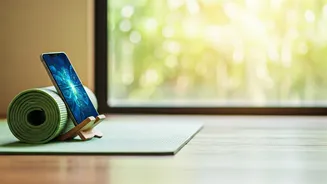
Yoga is uniquely suited for the concept of healthy ageing. Unlike high-impact sports, it is inherently adaptable. Poses (asanas) can be modified with chairs, props, or a gentler pace to suit varying levels of mobility and strength. The practice focuses on improving balance, which is critical for preventing falls—a major health risk for seniors. It also enhances flexibility, easing the joint stiffness that often accompanies age. But the benefits are not just physical. Pranayama (breathing exercises) and meditation, core components of yoga, are powerful tools for managing stress, improving mental clarity, and fostering a sense of well-being. The timing of this trend is no coincidence. As more seniors become comfortable with smartphones and online platforms to connect with family, they are also discovering these digital resources for their own health. Young creators see not just a market, but a mission to provide accessible, safe, and effective wellness guidance.
The New Face of Geriatric Fitness
The creators at the forefront of this movement are shattering stereotypes. They aren't necessarily seasoned yoga gurus in their later years; many are millennials and Gen Z who have found a passion for the holistic benefits of the practice. Their approach is fresh and relatable. They break down complex concepts into simple, encouraging instructions, often in regional languages, making the content highly accessible. They understand the digital medium, creating short, engaging videos that are easy to follow on a phone screen. Their communication style is empathetic, acknowledging the specific challenges and fears an older person might have when starting a fitness journey. This intergenerational dynamic is powerful. It replaces the intimidating image of a hyper-flexible yoga master with that of a friendly guide, fostering trust and encouraging consistency.
Beyond Asanas: Building Community
These channels offer more than just workout routines; they are building virtual communities. The comment sections are often filled with encouraging messages from users sharing their progress, asking questions, and connecting with others on a similar path. For many seniors, particularly those living alone or with limited mobility, this digital interaction can be a vital antidote to loneliness. The influencers often take on the role of a virtual wellness coach, responding to comments and creating content based on user requests, whether it’s a session for knee pain, better sleep, or managing anxiety. This two-way communication makes the experience personal and supportive, transforming a solitary activity into a shared journey. It’s a modern take on the traditional satsang, where people gather for spiritual or wellness discourse, now facilitated by Wi-Fi and a smartphone.